Brother JT

Rock
Psychedelic Rock
Free Jazz
 Viberate Rank: 464063
 Viberate Rank: 464063
 Monthly ListenersFollowers
 Subscribers
 Followers
 Followers
 FansTop Spotify Songs
| Track | 7-Day Streams | |
|---|---|---|
1 | 4 | |
2 | 3 | |
3 | 3 | |
4 | 3 | |
5 | 2 |
Top YouTube VideosMonthly ListenersFeatured in Playlists| Playlist | Followers | |
|---|---|---|
1 |  The Best Show on WFMU Jared Duncan | 1.51K |
2 |  Fresh Obscure / Rare Artists 🍅 Unknown Genres / Experimental Gems / Part 1 of 2 o808988s | 1.12K |
Audience| City | Monthly Listeners | |
|---|---|---|
1 | | 4 |
2 |  | 4 |
3 | | 3 |
4 | | 3 |
5 | | 3 |
See full performance history, audience data, playlist activity, rankings, comparisons, and more in Viberate music analytics. Start with a free trial, then continue with a paid plan.
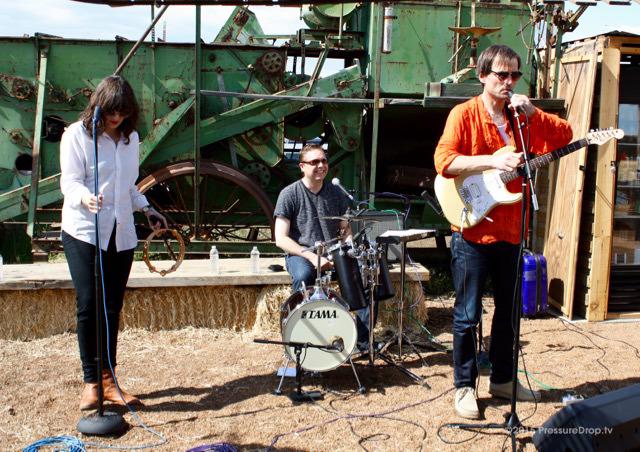
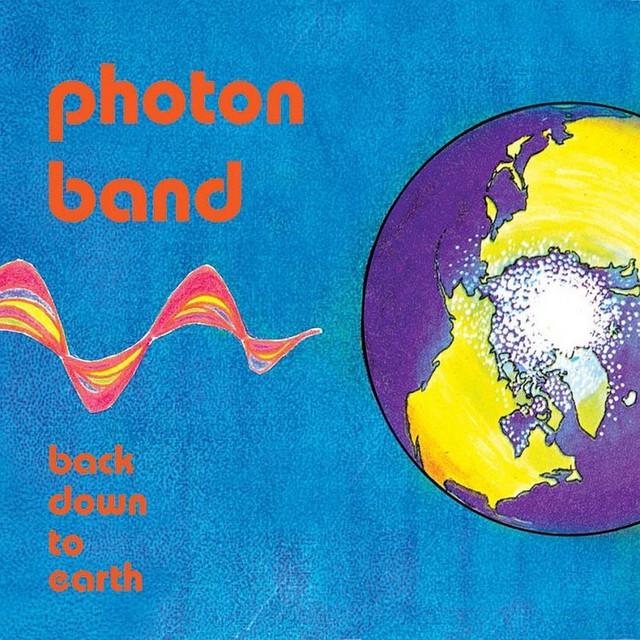
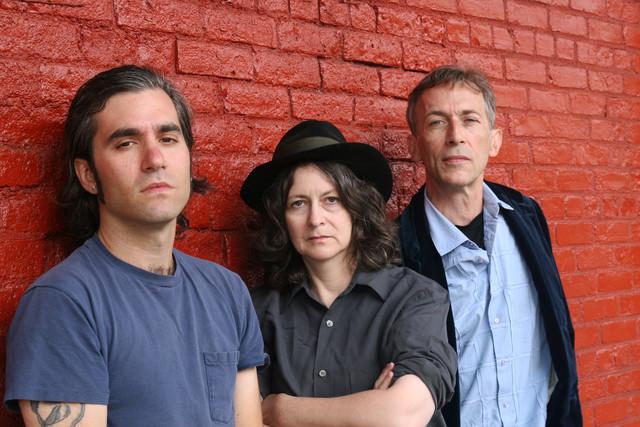
Brother JT’s Spotify BioSinger/songwriter/guitarist Brother JT (aka John Terlesky) combines classic psychedelic pop elements with unique and often spiritual lyrics, and has produced a large and striking body of work, most recorded in his own home studio. While his solo efforts are usually low-key affairs, he often teams up with Vibrolux for a louder, more rock-oriented version of the Brother JT sound. Terlesky played in Philadelphia's garage rock group Original Sins from the mid-'80s to the mid-'90s, and Vibrolux includes members of other local, psychedelically inspired groups, such as Art Difuria of the Photon Band (who also worked with Kurt Heasley of the Lilys).
Brother JT's debut album, Music for the Other Head, appeared in 1996 and introduced his acid-tinged, eclectic sound; later that year, Rainy Day Fun was released by Drunken Fish Records, the onetime home of fellow sonic trippers Bardo Pond. Come on Down, also released by Drunken Fish, came out in 1997, as did the Brother JT/Vibrolux album Doomsday… Rock, which Terlesky released on his own Bedlam label. The year 1998 saw the release of Holy Ghost Stories as well as an appearance at the space/psych rock festival Terrastock II, and the following year, the live album Dosed & Confused: Live '94-'97 and Way to Go arrived. JT continued to make bluesy, trippy music that defied easy classification into the 2000s: Badman released 2002's Maybe We Should Take Some More?, which was recorded in Philadelphia's Living Room studio, while Drag City issued that year's Spirituals. Terlesky collaborated with producer Dan McKinney for 2003's almost straightforward Hang in There, Baby, while 2004's Off Blue moved in an even gentler, largely acoustic direction.
JT returned in 2007 with Third Ear Candy, which had a title that fit its playful, funky, psychedelic vibe. Jelly Roll Gospel followed in 2008, followed by four more records for Ouroboros including Any Stort in a Porm (2010), Non Compos Mantis (2011), and Smash Crack-Up Pop and This Mud's for You (both 2012). The Svelteness of Boogietude, which was released in May of 2013, appeared on Thrill Jockey. A limited-edition cassette-only release, Lo Bias High Noise, was issued by Summersteps Records in 2014, while he teamed up with Ouroboros to drop On High in 2015. Brother JT ambled back to Thrill Jockey for 2018's Tornado Juice (the title was derived from Terlesky's name for LSD), which was recorded at Magic Door Studio in Montclair, New Jersey, with additional overdubs performed on JT's digital recording setup. ~ Heather Phares, Rovi
Viberate is a music analytics platform built for A&Rs, artist managers, labels, booking agents, marketers, and artists.
It helps music professionals track artist growth, analyze audience data, monitor playlist activity, compare artists, follow song performance, and identify opportunities across the music market.
Public artist pages provide a free preview of selected artist data. Paid plans provide access to deeper analytics, historical data, charts, comparisons, playlist tools, exports, alerts, reports, and additional professional features.
Yes. Public Viberate artist pages provide selected artist analytics and music data for free.
Viberate also offers a 7-day free trial of the full platform. A credit card is required to start the trial. The trial includes access to the complete product so users can test deeper artist analytics, historical views, playlist insights, comparisons, charts, exports, alerts, and reporting features before choosing a paid plan.
Viberate provides artist analytics across streaming, playlists, social media, video, radio airplay, songs, and audience markets.
Users can analyze Spotify performance, Spotify and Apple Music playlists, YouTube activity, TikTok and Instagram growth, radio spins, song performance, audience locations, demographics, rankings, and overall artist momentum.
Artist profiles also connect to music charts, similar artists, and comparison tools, helping users benchmark performance and evaluate artists in context.
Viberate updates key artist and track data daily.
For followed artists and tracks, selected data is refreshed multiple times per day. This helps teams monitor playlist changes, streaming movement, audience growth, releases, and campaign performance with more current data.
Update frequency can vary depending on the metric and data source.
Yes. Viberate lets users compare up to five artists side by side across streaming, social media, audience, and engagement metrics.
Users can compare fanbase growth, audience demographics, locations, Spotify performance, social metrics, and other artist data over selected time periods.
Artist comparison can be used for A&R scouting, benchmarking, booking decisions, campaign planning, and evaluating artists with similar audiences or market positions.