Marmoset

Rock
Indie Rock
Indie Pop
 Viberate Rank: 624685
 Viberate Rank: 624685
 Monthly ListenersFollowers
 Subscribers
 Followers
 Followers
 FansTop Spotify Songs
| Track | 7-Day Streams | |
|---|---|---|
1 | 67 | |
2 | 46 | |
3 | 37 | |
4 | 29 | |
5 | 16 |
Top YouTube VideosMonthly ListenersFeatured in Playlists| Playlist | Followers | |
|---|---|---|
1 |  Duyster (all tracks ever played) Wike | 8.15K |
2 | space rock & psychedelia Edson Alejandro Adame | 8.05K |
3 |  Studio Brussel: duyster (all tracks ever played) Studio Brussel | 3.29K |
4 |  Fresh Obscure / Rare Artists 🍅 Unknown Genres / Experimental Gems / Part 1 of 2 o808988s | 1.12K |
Audience| City | Monthly Listeners | |
|---|---|---|
1 | | 18 |
2 | | 12 |
3 | | 12 |
4 | | 12 |
5 | | 11 |
See full performance history, audience data, playlist activity, rankings, comparisons, and more in Viberate music analytics. Start with a free trial, then continue with a paid plan.
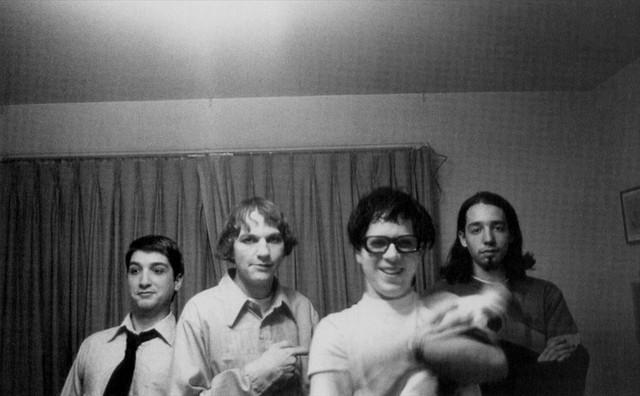
Marmoset’s Spotify BioCrafting a shambling, uniquely Midwestern take on British post-punk and psychedelic pop sounds, Indianapolis' Marmoset began playing in the '90s with the lineup of bassist/vocalist Jorma Whittaker, guitarist LonPaul Ellrich, guitarist/vocalist Dave Jablonski, and drummer Jason Cavan. After signing with Secretly Canadian, they released the 1998 debut EP Hiddenforbidden, which featured an abrasive yet catchy sound and songs that barely passed the two-minute mark. Their sprawling debut album, Today It's You, arrived early the following year and broadened the band's sound (even though the length of their songs stayed as short as ever). In 2001, the band returned with The Record in Red, a darker, trippier set of songs; the following year's Mishawaka EP featured cleaner production, more abstract soundwriting, and more detailed arrangements. Marmoset went on hiatus for a few years, during which time Whittaker released a self-titled solo album in 2003. The band resurfaced, minus Ellrich, on… the 2006 Indiana indie rock compilation Delicious Berries and contributed a cover of Jens Lekman's "Sky Phenomenon" to Secretly Canadian's SC100 collection in 2007. Florist Fired, which recalled Today It's You's freewheeling art pop, arrived later that year. Whittaker and company moved to Joyful Noise Recordings for Tea Tornado, which was even poppier than its predecessor. ~ Heather Phares, Rovi
Viberate is a music analytics platform built for A&Rs, artist managers, labels, booking agents, marketers, and artists.
It helps music professionals track artist growth, analyze audience data, monitor playlist activity, compare artists, follow song performance, and identify opportunities across the music market.
Public artist pages provide a free preview of selected artist data. Paid plans provide access to deeper analytics, historical data, charts, comparisons, playlist tools, exports, alerts, reports, and additional professional features.
Yes. Public Viberate artist pages provide selected artist analytics and music data for free.
Viberate also offers a 7-day free trial of the full platform. A credit card is required to start the trial. The trial includes access to the complete product so users can test deeper artist analytics, historical views, playlist insights, comparisons, charts, exports, alerts, and reporting features before choosing a paid plan.
Viberate provides artist analytics across streaming, playlists, social media, video, radio airplay, songs, and audience markets.
Users can analyze Spotify performance, Spotify and Apple Music playlists, YouTube activity, TikTok and Instagram growth, radio spins, song performance, audience locations, demographics, rankings, and overall artist momentum.
Artist profiles also connect to music charts, similar artists, and comparison tools, helping users benchmark performance and evaluate artists in context.
Viberate updates key artist and track data daily.
For followed artists and tracks, selected data is refreshed multiple times per day. This helps teams monitor playlist changes, streaming movement, audience growth, releases, and campaign performance with more current data.
Update frequency can vary depending on the metric and data source.
Yes. Viberate lets users compare up to five artists side by side across streaming, social media, audience, and engagement metrics.
Users can compare fanbase growth, audience demographics, locations, Spotify performance, social metrics, and other artist data over selected time periods.
Artist comparison can be used for A&R scouting, benchmarking, booking decisions, campaign planning, and evaluating artists with similar audiences or market positions.