Phil Wiggins

Blues
Classic Blues
Country Blues
 Viberate Rank: 675548
 Viberate Rank: 675548
 Monthly ListenersFollowers
 Subscribers
 Followers
 Followers
 FansTop Spotify Songs
| Track | 7-Day Streams | |
|---|---|---|
1 | 299 | |
2 | 181 | |
3 | 114 | |
4 | 53 | |
5 | 49 |
Top YouTube VideosMonthly ListenersFeatured in Playlists| Playlist | Followers | |
|---|---|---|
1 |  Slow Blues & Blues Rock | Don's Tunes Don's Tunes | 19.74K |
2 |  Smithsonian Folkways Doran McBride | 8.59K |
3 |  WWOZ 90.7 FM (New Orleans Radio) Bryson Whitney | 6.48K |
4 |  Work Songs + Field Hollers + Ring Shouts Bryson Whitney | 6.17K |
5 | Chesky Records spulim | 5.35K |
Audience| City | Monthly Listeners | |
|---|---|---|
1 | | 10 |
2 |  | 10 |
3 |  | 9 |
4 | | 9 |
5 |  | 8 |
See full performance history, audience data, playlist activity, rankings, comparisons, and more in Viberate music analytics. Start with a free trial, then continue with a paid plan.
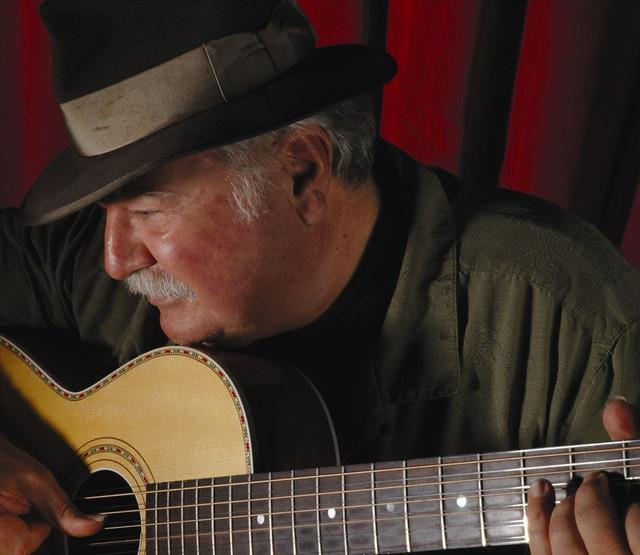
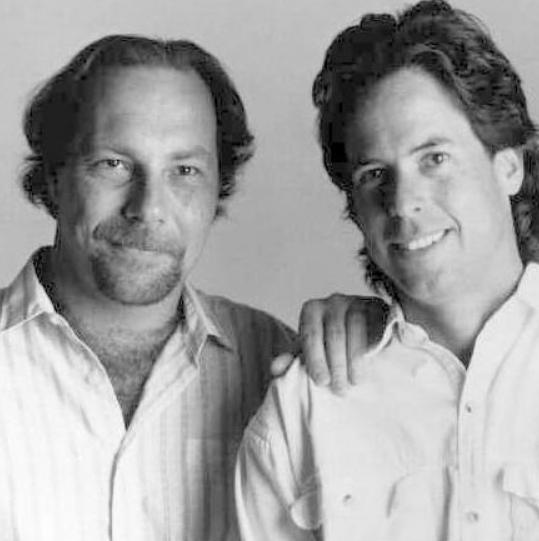
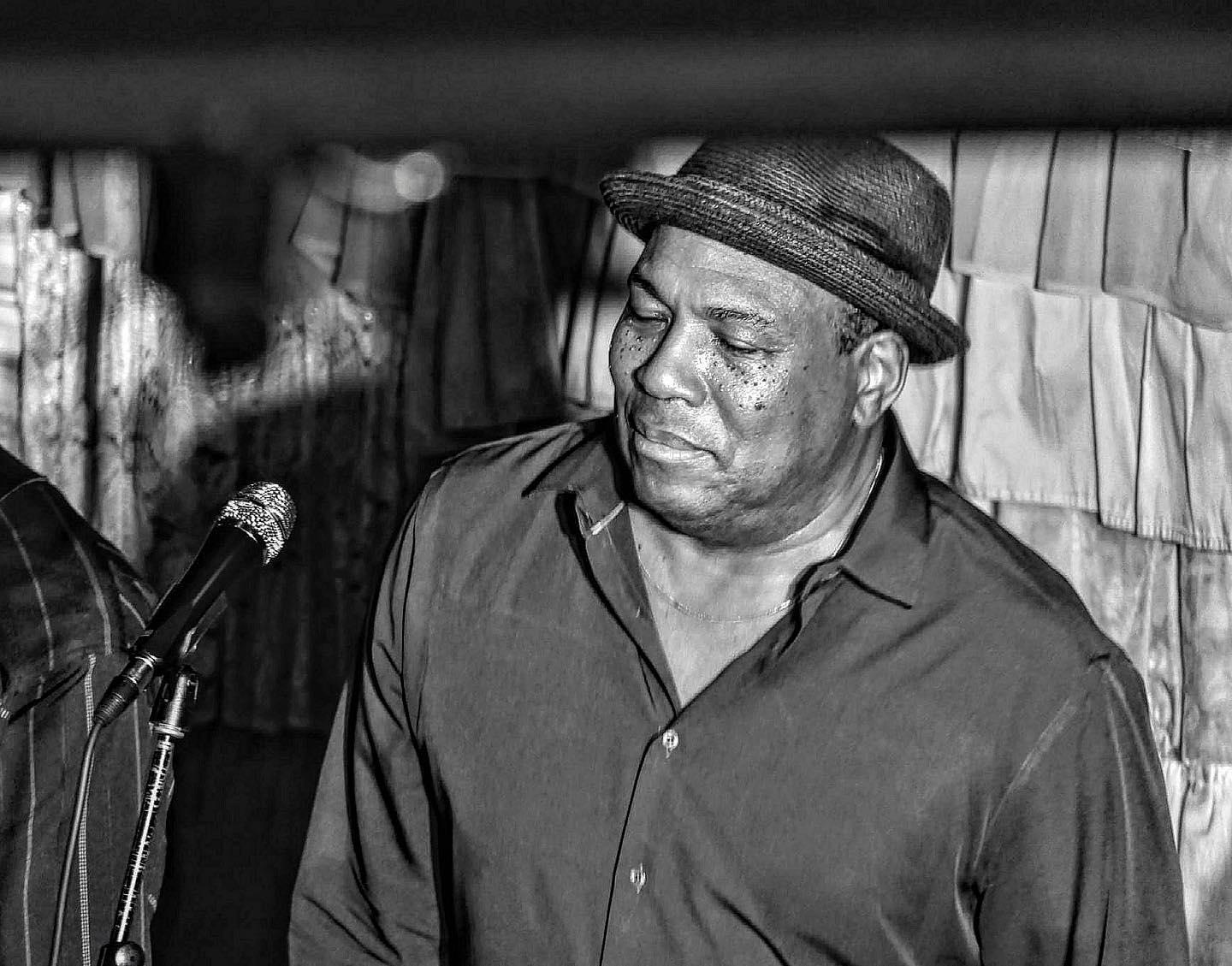
Phil Wiggins’ Spotify Biob. 8 May 1954, Washington DC, USA. Though partnered since 1976 by fellow Washingtonian John Cephas, Wiggins first developed his harmonica style playing with street singer Flora Molton. Having learned the basics on a plastic harmonica, he appropriated his sister’s instrument and, having watched Molton play, the 14-year-old Wiggins went to her house to jam. Through her festival appearances, he met musicians like Johnny Shines and Wilbert ‘Big Chief’ Ellis. He first met Cephas in 1974 and the pair joined up with Ellis to form the Barrelhouse Ramblers, a band that lasted until Ellis’ death in 1977. Cephas and Wiggins have worked as a duo ever since, touring throughout America and Europe on a regular basis. Although he claims to have learned from most of the musicians with whom he has played, Wiggins attributes particular importance to Sonny Terry’s complex style. Both Dog Days Of August and Guitar Man won W.C. Handy Awards in their respective years.
Viberate is a music analytics platform built for A&Rs, artist managers, labels, booking agents, marketers, and artists.
It helps music professionals track artist growth, analyze audience data, monitor playlist activity, compare artists, follow song performance, and identify opportunities across the music market.
Public artist pages provide a free preview of selected artist data. Paid plans provide access to deeper analytics, historical data, charts, comparisons, playlist tools, exports, alerts, reports, and additional professional features.
Yes. Public Viberate artist pages provide selected artist analytics and music data for free.
Viberate also offers a 7-day free trial of the full platform. A credit card is required to start the trial. The trial includes access to the complete product so users can test deeper artist analytics, historical views, playlist insights, comparisons, charts, exports, alerts, and reporting features before choosing a paid plan.
Viberate provides artist analytics across streaming, playlists, social media, video, radio airplay, songs, and audience markets.
Users can analyze Spotify performance, Spotify and Apple Music playlists, YouTube activity, TikTok and Instagram growth, radio spins, song performance, audience locations, demographics, rankings, and overall artist momentum.
Artist profiles also connect to music charts, similar artists, and comparison tools, helping users benchmark performance and evaluate artists in context.
Viberate updates key artist and track data daily.
For followed artists and tracks, selected data is refreshed multiple times per day. This helps teams monitor playlist changes, streaming movement, audience growth, releases, and campaign performance with more current data.
Update frequency can vary depending on the metric and data source.
Yes. Viberate lets users compare up to five artists side by side across streaming, social media, audience, and engagement metrics.
Users can compare fanbase growth, audience demographics, locations, Spotify performance, social metrics, and other artist data over selected time periods.
Artist comparison can be used for A&R scouting, benchmarking, booking decisions, campaign planning, and evaluating artists with similar audiences or market positions.