Paul Geremia

Blues
Classic Blues
Country Blues
 Viberate Rank: 523054
 Viberate Rank: 523054
 Monthly ListenersFollowers
 Subscribers
 Followers
 Followers
 FansTop Spotify Songs
| Track | 7-Day Streams | |
|---|---|---|
1 | 114 | |
2 | 35 | |
3 | 15 | |
4 | 14 | |
5 | 13 |
Top YouTube VideosMonthly ListenersFeatured in Playlists| Playlist | Followers | |
|---|---|---|
1 | Acoustic Blues Guitar Music Etele | 2.91K |
2 |  Acoustic Blues Joar Fosså | 1.32K |
3 |  Smithsonian Folkways Recordings Full Catalogue Part 1 Evan Davies-Velie | 1.14K |
Audience| City | Monthly Listeners | |
|---|---|---|
1 | | 10 |
2 |  | 6 |
3 |  | 6 |
4 |  | 6 |
5 | | 5 |
See full performance history, audience data, playlist activity, rankings, comparisons, and more in Viberate music analytics. Start with a free trial, then continue with a paid plan.
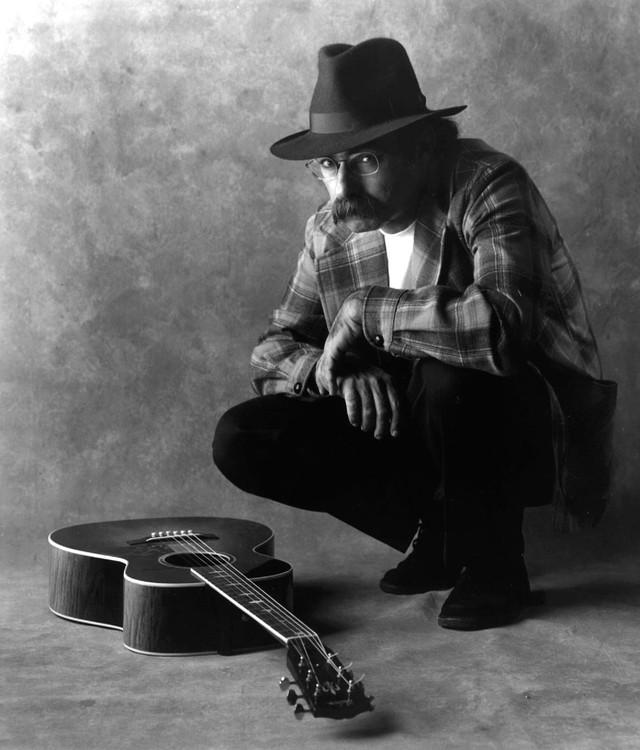
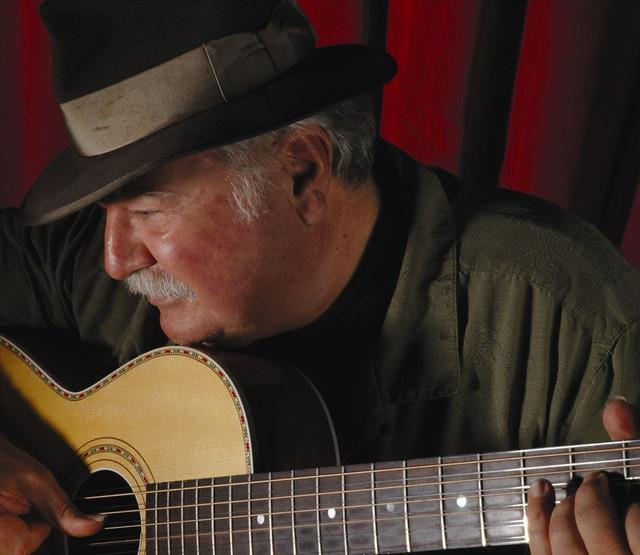
Paul Geremia’s Spotify BioSince the mid-'60s when he made the move to go full-time with his artistry, Rhode Island-based acoustic blues and folksinger Paul Geremia has supported himself through his music. Geremia is an Italian-American from Providence, Rhode Island, a town that gave birth to the careers of Roomful of Blues, Duke Robillard, and other iconic blues figures. He was raised in a family that moved across the country and back several times in his youth, and that experience furthered his interest in music, history, and travel. Like so many others of his generation, Geremia was introduced to classic blues by a performance he saw at a folk festival. He saw Mississippi John Hurt at a topical songs workshop at the 1963 Newport Folk Festival and has never been the same since. Also at Newport that year were Peter LaFarge, Phil Ochs, Pete Seeger, and Bob Dylan.
During this time, Geremia became a serious student of the blues and harmonica, his first instrument. By the mid-'60s, he noticed that the music he was… playing was being called "folk music" by the masses. He began playing guitar during a short stint at an agricultural college, but left to assume the life of a traveling bluesman, where he found profitable gigs at coffee houses in cities with large populations of college kids. Geremia forged friendships and shared stages with many classic bluesmen, including Babe Stovall, Yank Rachel, Son House, Skip James, Howlin' Wolf, and most importantly, Carolina bluesman Pink Anderson, who had something of a career rebirth thanks to Geremia's efforts.
Geremia moved to Cambridge, Massachusetts in 1966, drawn to the city by the scene at Club 47, where he was one of many participant-observers. At that legendary Cambridge club in the mid-'60s, one could hear traditional folk music performers from every part of the country, both bluesmen and women.
His profile has been boosted through his long relationship with a good, stable independent label, Red House Records of Minneapolis, where his labelmates include other acoustic blues and folk singers like Guy Davis and John Gorka. His albums for the Red House label are most easily available and include Love, Murder and Mosquitos, The Devil's Music, Live from Uncle Sam's Backyard, Self Portrait in Blues, and Gamblin' Woman Blues. The Guitar Artistry of Paul Geremia: Six and Twelve-String Blues, a DVD on Vestapol, is a performance video sure to delight fans of fingerpicking-style guitar. The DVD is part of a series produced by New Jersey-based roots music musician and impresario Stefan Grossman. Acoustic Guitar magazine named Geremia "one of the best country blues finger pickers ever."
Because Geremia is so passionate and knowledgeable about what he does, his live performances are spiced up by compelling stories about the classic blues men and women he's befriended through the years, many of them now gone. And the fact that he loves what he does for a living comes through in all of his live shows. The audience can sense his sincerity and authenticity. Along the way, over the course of Geremia's many concerts throughout the U.S., Canada, and Europe, younger, equally passionate, up-and-coming bluesmen and women are being encouraged all the time. ~ Richard J. Skelly, Rovi
Viberate is a music analytics platform built for A&Rs, artist managers, labels, booking agents, marketers, and artists.
It helps music professionals track artist growth, analyze audience data, monitor playlist activity, compare artists, follow song performance, and identify opportunities across the music market.
Public artist pages provide a free preview of selected artist data. Paid plans provide access to deeper analytics, historical data, charts, comparisons, playlist tools, exports, alerts, reports, and additional professional features.
Yes. Public Viberate artist pages provide selected artist analytics and music data for free.
Viberate also offers a 7-day free trial of the full platform. A credit card is required to start the trial. The trial includes access to the complete product so users can test deeper artist analytics, historical views, playlist insights, comparisons, charts, exports, alerts, and reporting features before choosing a paid plan.
Viberate provides artist analytics across streaming, playlists, social media, video, radio airplay, songs, and audience markets.
Users can analyze Spotify performance, Spotify and Apple Music playlists, YouTube activity, TikTok and Instagram growth, radio spins, song performance, audience locations, demographics, rankings, and overall artist momentum.
Artist profiles also connect to music charts, similar artists, and comparison tools, helping users benchmark performance and evaluate artists in context.
Viberate updates key artist and track data daily.
For followed artists and tracks, selected data is refreshed multiple times per day. This helps teams monitor playlist changes, streaming movement, audience growth, releases, and campaign performance with more current data.
Update frequency can vary depending on the metric and data source.
Yes. Viberate lets users compare up to five artists side by side across streaming, social media, audience, and engagement metrics.
Users can compare fanbase growth, audience demographics, locations, Spotify performance, social metrics, and other artist data over selected time periods.
Artist comparison can be used for A&R scouting, benchmarking, booking decisions, campaign planning, and evaluating artists with similar audiences or market positions.