Petr Kolar

Pop
Mainstream Pop
Pop Rock
 Viberate Rank: 105533
 Viberate Rank: 105533
 Monthly ListenersFollowers
 Subscribers
 Followers
 Followers
 FansTop Spotify Songs
| Track | 7-Day Streams | |
|---|---|---|
1 | 26.25K | |
2 | 14.94K | |
3 | 13.92K | |
4 | 13.09K | |
5 | 12.63K |
Top YouTube VideosMonthly ListenersFeatured in Playlists| Playlist | Followers | |
|---|---|---|
1 |  CESKE VYPALOVACKY Aned | 64.69K |
2 |  NEJLEPŠÍ ČESKÉ HITY Dannyyelka | 21.71K |
3 | VÁNOČNÍ PÍSNIČKY 🎄❄⛄ Verča | 20.67K |
4 | NEJLEPŠÍ VÁNOČNÍ PÍSNIČKY 🎄⛄ rtmiitwmudghs3qxor5sjldzq | 14.89K |
5 |  Czech songs schramhauser.jan | 13.60K |
Audience| City | Monthly Listeners | |
|---|---|---|
1 | | 43.05K |
2 | | 7.71K |
3 |  | 6.24K |
4 | | 3.20K |
5 | | 2.68K |
See full performance history, audience data, playlist activity, rankings, comparisons, and more in Viberate music analytics. Start with a free trial, then continue with a paid plan.
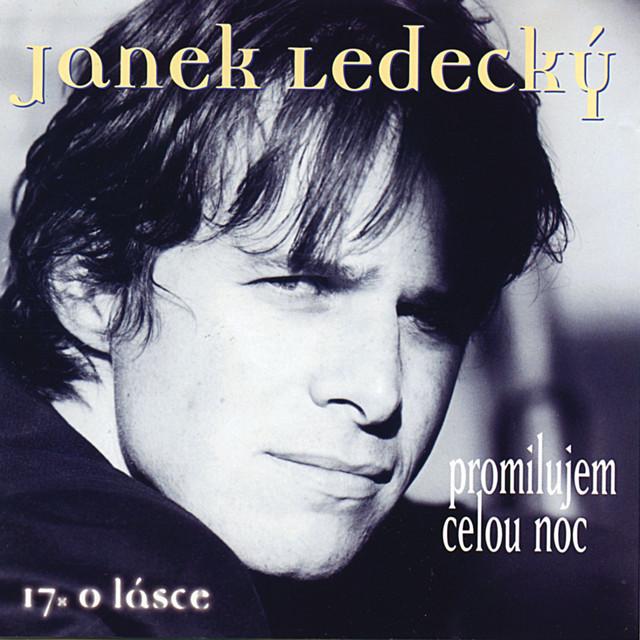
Petr Kolar’s Spotify BioA Czech Republic-based romantic rock balladeer, Petr Kolár was born on June 20, 1967, in the town of Ceske Budejovice. Originally trained and educated as a percussionist, Kolár moved to Prague in 1993 and found his place as a singer in musical theater, performing in Prague in such works as Dracula, Hamlet, The Three Musketeers, and Excalibur. While honing his skills as a vocalist, Kolár was also a member of some of the Czech Republic's best-known bands, including Precedens and Arkain, as well as working with some of that country's best-known solo artists, including Karel Svoboda, Lucie Bílá, and Karel Gott. Eventually, Kolár was ready to strike out on his own, and in 2005 released his debut full-length, entitled (simply) Album, and followed it up with album number two -- V Lucerne -- in 2006. In 2007, Kolár released the Top Ten-selling album Bez Kridel, and continued to play to sold-out crowds all over the Czech Republic. ~ Chris True, Rovi
Viberate is a music analytics platform built for A&Rs, artist managers, labels, booking agents, marketers, and artists.
It helps music professionals track artist growth, analyze audience data, monitor playlist activity, compare artists, follow song performance, and identify opportunities across the music market.
Public artist pages provide a free preview of selected artist data. Paid plans provide access to deeper analytics, historical data, charts, comparisons, playlist tools, exports, alerts, reports, and additional professional features.
Yes. Public Viberate artist pages provide selected artist analytics and music data for free.
Viberate also offers a 7-day free trial of the full platform. A credit card is required to start the trial. The trial includes access to the complete product so users can test deeper artist analytics, historical views, playlist insights, comparisons, charts, exports, alerts, and reporting features before choosing a paid plan.
Viberate provides artist analytics across streaming, playlists, social media, video, radio airplay, songs, and audience markets.
Users can analyze Spotify performance, Spotify and Apple Music playlists, YouTube activity, TikTok and Instagram growth, radio spins, song performance, audience locations, demographics, rankings, and overall artist momentum.
Artist profiles also connect to music charts, similar artists, and comparison tools, helping users benchmark performance and evaluate artists in context.
Viberate updates key artist and track data daily.
For followed artists and tracks, selected data is refreshed multiple times per day. This helps teams monitor playlist changes, streaming movement, audience growth, releases, and campaign performance with more current data.
Update frequency can vary depending on the metric and data source.
Yes. Viberate lets users compare up to five artists side by side across streaming, social media, audience, and engagement metrics.
Users can compare fanbase growth, audience demographics, locations, Spotify performance, social metrics, and other artist data over selected time periods.
Artist comparison can be used for A&R scouting, benchmarking, booking decisions, campaign planning, and evaluating artists with similar audiences or market positions.