Peggy Seeger

Rock
Folk Rock
Folk
 Viberate Rank: 150200
 Viberate Rank: 150200
 Monthly ListenersFollowers
 Subscribers
 Followers
 Followers
 FansTop Spotify Songs
| Track | 7-Day Streams | |
|---|---|---|
1 | 1.70K | |
2 | 1.68K | |
3 | 946 | |
4 | 934 | |
5 | 934 |
Top YouTube VideosMonthly ListenersFeatured in Playlists| Playlist | Followers | |
|---|---|---|
1 |  Murderfolk - Essential Dark Folk and Southern Gothic Underground Alliance | 48.28K |
2 | Appalachian Folk Music mheld3 | 34.95K |
3 |  ROCKABILLY DANCE Bruno Starring | 29.50K |
4 |  Ben Watt's SpinCycle Ben Watt | 23.18K |
5 |  leftist country only🤚🤨 Sophie Brady | 21.86K |
Audience| City | Monthly Listeners | |
|---|---|---|
1 | | 695 |
2 |  | 324 |
3 | | 261 |
4 | | 255 |
5 | | 243 |
See full performance history, audience data, playlist activity, rankings, comparisons, and more in Viberate music analytics. Start with a free trial, then continue with a paid plan.
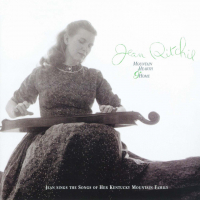
Peggy Seeger’s Spotify BioPeggy Seeger is totally unique. Sister of Pete Seeger and wife of the late Ewan MacColl, she has carved a special niche for herself in the UK and USA. She is the 'face' of 'The First Time Ever I Saw Your Face', the song that Ewan MacColl wrote for her in 1957 which went on to be one of the greatest love songs of all time. Trained in both classical and folk music, Peggy has 70 years of performing and songwriting & is a multi-instrumentalist (piano, guitar, 5-string banjo, autoharp, English concertina and Appalachian dulcimer). Best known songs include Gonna Be an Engineer, The Ballad of Springhill, often regarded as a traditional song, and more recently How I Long for Peace & The Invisible Woman.
Approaching 90, she regards herself as "seasoned and in my prime" and is still writing and touring. Her new (and final) album 'Teleology' is out in May 2025, and she is performing her final ever tour in May & June. 'Teleology' is her 25th solo recording and she has participated in well… over 100 recordings with other artists, especially Ewan MacColl. Born in Washington DC, she made her home in England with MacColl where they raised their family. She regards England as home.
A biography, ‘Peggy Seeger: A Life of Love, Music and Politics’ by Jean R. Freedman was published in 2017 (University of Illinois Press). Peggy’s own memoir, ‘First Time Ever’ (Faber & Faber) was included on several 'Best of ' lists. More information at http://www.peggyseeger.com.
Viberate is a music analytics platform built for A&Rs, artist managers, labels, booking agents, marketers, and artists.
It helps music professionals track artist growth, analyze audience data, monitor playlist activity, compare artists, follow song performance, and identify opportunities across the music market.
Public artist pages provide a free preview of selected artist data. Paid plans provide access to deeper analytics, historical data, charts, comparisons, playlist tools, exports, alerts, reports, and additional professional features.
Yes. Public Viberate artist pages provide selected artist analytics and music data for free.
Viberate also offers a 7-day free trial of the full platform. A credit card is required to start the trial. The trial includes access to the complete product so users can test deeper artist analytics, historical views, playlist insights, comparisons, charts, exports, alerts, and reporting features before choosing a paid plan.
Viberate provides artist analytics across streaming, playlists, social media, video, radio airplay, songs, and audience markets.
Users can analyze Spotify performance, Spotify and Apple Music playlists, YouTube activity, TikTok and Instagram growth, radio spins, song performance, audience locations, demographics, rankings, and overall artist momentum.
Artist profiles also connect to music charts, similar artists, and comparison tools, helping users benchmark performance and evaluate artists in context.
Viberate updates key artist and track data daily.
For followed artists and tracks, selected data is refreshed multiple times per day. This helps teams monitor playlist changes, streaming movement, audience growth, releases, and campaign performance with more current data.
Update frequency can vary depending on the metric and data source.
Yes. Viberate lets users compare up to five artists side by side across streaming, social media, audience, and engagement metrics.
Users can compare fanbase growth, audience demographics, locations, Spotify performance, social metrics, and other artist data over selected time periods.
Artist comparison can be used for A&R scouting, benchmarking, booking decisions, campaign planning, and evaluating artists with similar audiences or market positions.