Turk Murphy

Jazz
Big band Jazz
Classical Crossover
 Viberate Rank: 396862
 Viberate Rank: 396862
 Monthly ListenersFollowers
 Subscribers
 Followers
 Followers
 FansTop Spotify Songs
| Track | 7-Day Streams | |
|---|---|---|
1 | 673 | |
2 | 640 | |
3 | 321 | |
4 | 317 | |
5 | 186 |
Top YouTube VideosMonthly ListenersFeatured in Playlists| Playlist | Followers | |
|---|---|---|
1 | New Orleans Blues Miguel Angel Cruz | 13.62K |
2 | Dixieland-Jazz Wolf | 5.00K |
3 |  Femme Fatale Dark Cabaret aycaderenozkan | 4.30K |
4 |  Lindy Hop Slow-Medium Tempo dustyjazz | 3.51K |
5 |  1890s 1900s 1910s 1920s 1930s 1940s Alex McAndrew (Pugno) | 2.89K |
Audience| City | Monthly Listeners | |
|---|---|---|
1 |  | 69 |
2 |  | 58 |
3 | | 57 |
4 |  | 51 |
5 | | 46 |
See full performance history, audience data, playlist activity, rankings, comparisons, and more in Viberate music analytics. Start with a free trial, then continue with a paid plan.
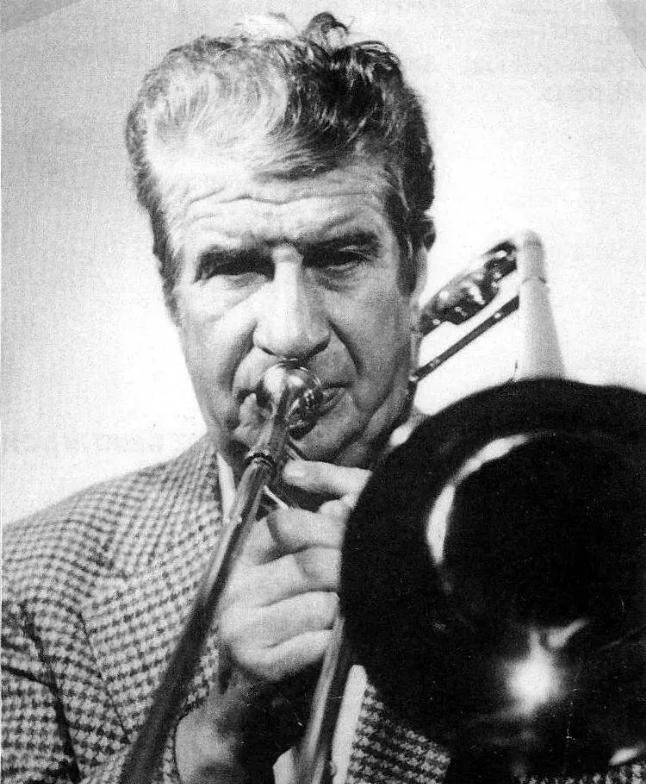
Turk Murphy’s Spotify BioTurk Murphy led one of the most popular bands of the San Francisco Dixieland movement. After playing with various big bands (including Mal Hallett and Will Osborne), Murphy first gained fame for his work with Lu Watters' highly influential Yerba Buena Jazz Band (1940-1947). He formed his own group in 1947 and after 13 years, they found a permanent home at Earthquake McGoon's and also toured occasionally. Although not thought of as a virtuoso trombone soloist and his occasional singing was just passable, Murphy's ensemble work was superior and he put together a stimulating repertoire filled with obscurities and favorites from the 1920s (along with some newer originals). His bands were always very musical; among his sidemen through the years were trumpeters Don Kinch, Bob Short, and Leon Oakley; clarinetist Bob Helm; pianists Wally Rose, Pete Clute, and Ray Skjelbred; and singer Pat Yankee. Turk Murphy and his beloved group made many records for such labels as Good Time Jazz, Fairmont,… Columbia (1953-1956), Verve, Dawn Club, Roulette, RCA, Motherlode, Atlantic, GHB, MPS, Stomp Off, and Merry Makers. ~ Scott Yanow, Rovi
Viberate is a music analytics platform built for A&Rs, artist managers, labels, booking agents, marketers, and artists.
It helps music professionals track artist growth, analyze audience data, monitor playlist activity, compare artists, follow song performance, and identify opportunities across the music market.
Public artist pages provide a free preview of selected artist data. Paid plans provide access to deeper analytics, historical data, charts, comparisons, playlist tools, exports, alerts, reports, and additional professional features.
Yes. Public Viberate artist pages provide selected artist analytics and music data for free.
Viberate also offers a 7-day free trial of the full platform. A credit card is required to start the trial. The trial includes access to the complete product so users can test deeper artist analytics, historical views, playlist insights, comparisons, charts, exports, alerts, and reporting features before choosing a paid plan.
Viberate provides artist analytics across streaming, playlists, social media, video, radio airplay, songs, and audience markets.
Users can analyze Spotify performance, Spotify and Apple Music playlists, YouTube activity, TikTok and Instagram growth, radio spins, song performance, audience locations, demographics, rankings, and overall artist momentum.
Artist profiles also connect to music charts, similar artists, and comparison tools, helping users benchmark performance and evaluate artists in context.
Viberate updates key artist and track data daily.
For followed artists and tracks, selected data is refreshed multiple times per day. This helps teams monitor playlist changes, streaming movement, audience growth, releases, and campaign performance with more current data.
Update frequency can vary depending on the metric and data source.
Yes. Viberate lets users compare up to five artists side by side across streaming, social media, audience, and engagement metrics.
Users can compare fanbase growth, audience demographics, locations, Spotify performance, social metrics, and other artist data over selected time periods.
Artist comparison can be used for A&R scouting, benchmarking, booking decisions, campaign planning, and evaluating artists with similar audiences or market positions.