Peccatum

Metal
Black Metal
Progressive Metal
 Viberate Rank: 417736
 Viberate Rank: 417736
 Monthly ListenersFollowers
 Subscribers
 Followers
 Followers
 FansTop Spotify Songs
| Track | 7-Day Streams | |
|---|---|---|
1 | 56 | |
2 | 45 | |
3 | 34 | |
4 | 33 | |
5 | 30 |
Top YouTube VideosMonthly ListenersFeatured in Playlists| Playlist | Followers | |
|---|---|---|
1 |  Experimental Metal / Avant-Garde Metal Eric Marvin | 4.07K |
2 |  BLACKMETAL DSBM badyushka🕷️🩸 | 3.61K |
3 |  WOR - Women of Metal and Rock Emanuele Albesano | 3.00K |
4 |  The Sound of Avant-Garde Metal The Sounds of Spotify | 1.94K |
5 |  Godínez Metaleros Daniel Peña Tristan | 1.16K |
Audience| City | Monthly Listeners | |
|---|---|---|
1 |  | 15 |
2 |  | 8 |
3 |  | 5 |
4 |  | 5 |
5 |  | 4 |
See full performance history, audience data, playlist activity, rankings, comparisons, and more in Viberate music analytics. Start with a free trial, then continue with a paid plan.
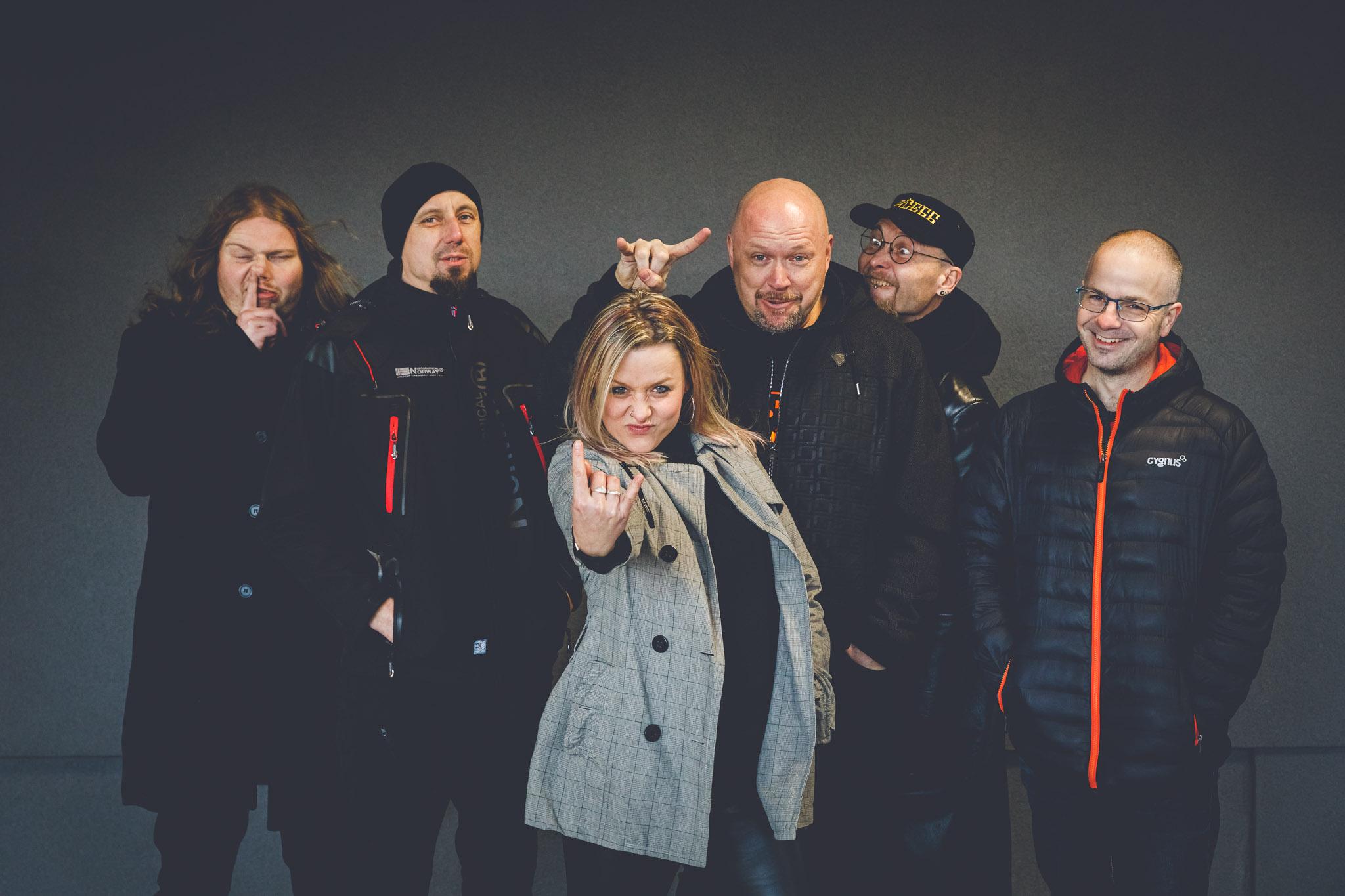
Peccatum’s Spotify BioPeccatum is a Norwegian post-black metal project formed in 1998 by Emperor leader Ihsahn (real name: Vegard Tveitan) and his wife, Star of Ash's Ihriel (Heidi Tveitan), along with her brother, Lord PZ (Pål Solberg). Seeking to push beyond the stylistic restrictions of black metal, the trio of classically trained vocalists (Ihsahn also handling almost all instruments: guitar, bass, keyboards, etc.) combined elements of heavy metal, Gothic rock, industrial, new age, ambient, and especially classical music to conjure a highly unconventional debut in 1999's Strangling From Within. Yet this was merely the beginning, as their avant-garde vision was taken into even stranger realms of invention on subsequent efforts like 2000's Oh, My Regrets EP, 2001's Amor Fati album, and particularly, 2004's Lost in Reverie LP. Significantly, this last release was the first recorded after Emperor's demise and Lord PZ's departure. ~ Eduardo Rivadavia, Rovi
Viberate is a music analytics platform built for A&Rs, artist managers, labels, booking agents, marketers, and artists.
It helps music professionals track artist growth, analyze audience data, monitor playlist activity, compare artists, follow song performance, and identify opportunities across the music market.
Public artist pages provide a free preview of selected artist data. Paid plans provide access to deeper analytics, historical data, charts, comparisons, playlist tools, exports, alerts, reports, and additional professional features.
Yes. Public Viberate artist pages provide selected artist analytics and music data for free.
Viberate also offers a 7-day free trial of the full platform. A credit card is required to start the trial. The trial includes access to the complete product so users can test deeper artist analytics, historical views, playlist insights, comparisons, charts, exports, alerts, and reporting features before choosing a paid plan.
Viberate provides artist analytics across streaming, playlists, social media, video, radio airplay, songs, and audience markets.
Users can analyze Spotify performance, Spotify and Apple Music playlists, YouTube activity, TikTok and Instagram growth, radio spins, song performance, audience locations, demographics, rankings, and overall artist momentum.
Artist profiles also connect to music charts, similar artists, and comparison tools, helping users benchmark performance and evaluate artists in context.
Viberate updates key artist and track data daily.
For followed artists and tracks, selected data is refreshed multiple times per day. This helps teams monitor playlist changes, streaming movement, audience growth, releases, and campaign performance with more current data.
Update frequency can vary depending on the metric and data source.
Yes. Viberate lets users compare up to five artists side by side across streaming, social media, audience, and engagement metrics.
Users can compare fanbase growth, audience demographics, locations, Spotify performance, social metrics, and other artist data over selected time periods.
Artist comparison can be used for A&R scouting, benchmarking, booking decisions, campaign planning, and evaluating artists with similar audiences or market positions.