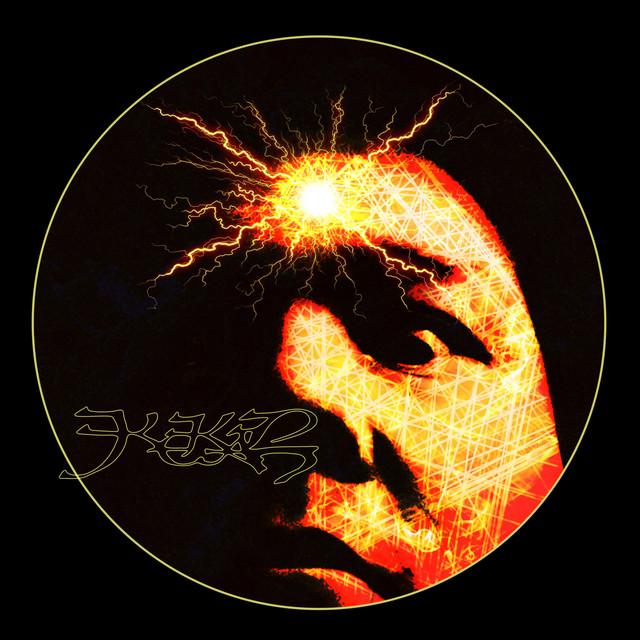
Kekal

Metal
Heavy Metal
Progressive Rock
Black Metal
 Viberate Rank: 349462
 Viberate Rank: 349462
 Monthly ListenersFollowers
 Subscribers
 Followers
 Followers
 FansTop Spotify Songs
| Track | 7-Day Streams | |
|---|---|---|
1 | 55 | |
2 | 20 | |
3 | 20 | |
4 | 19 | |
5 | 19 |
Top YouTube Videos| Video | 7-Day Views | |
|---|---|---|
1 | 119 | |
2 | 40 | |
3 | 16 | |
4 | 16 | |
5 | 15 |
Monthly ListenersFeatured in Playlists| Playlist | Followers | |
|---|---|---|
1 |  🤟KOLEKSI TERHEBAT LAGU ROCK KAPAK MELAYU 80AN-90AN VOL 1🤟 Toronz Rock Kapak | 7.72K |
2 |  Musica epica - elctromusic Jaime Colin | 4.23K |
3 |  Experimental Metal / Avant-Garde Metal Eric Marvin | 4.07K |
4 |  The Vocaloid Playlist shedoara | 3.51K |
5 | DEATH METAL/GRINDCORE/BLACK METAL/DOOM DEATH ++ Tokes | 2.81K |
Audience| City | Monthly Listeners | |
|---|---|---|
1 |  | 12 |
2 |  | 7 |
3 |  | 7 |
4 | | 7 |
5 |  | 5 |
See full performance history, audience data, playlist activity, rankings, comparisons, and more in Viberate music analytics. Start with a free trial, then continue with a paid plan.
Kekal’s Spotify BioKekal is a heavy metal and electronic music band formed in 1995 in Jakarta, Indonesia. According to AllMusic, Kekal was one of the first heavy metal bands from Indonesia to make international inroads, and according to sociologist of heavy metal, Keith Kahn-Harris, was one of the few extreme metal bands from Southeast Asia to ever make more than a minimal impression on the global scene.
Frequently labeled as avant-garde metal, progressive metal, and black metal, Kekal plays a very diverse range of music styles within the frame of metal and rock, incorporating many other music genres such as ambient, electronic, jazz fusion, and progressive rock. Over the course of its career, Kekal has transitioned from a heavy metal-based style to a more experimental and electronic sound.
Description provided by Wikipedia under Creative Commons Attribution CC-BY-SA 4.0
Viberate is a music analytics platform built for A&Rs, artist managers, labels, booking agents, marketers, and artists.
It helps music professionals track artist growth, analyze audience data, monitor playlist activity, compare artists, follow song performance, and identify opportunities across the music market.
Public artist pages provide a free preview of selected artist data. Paid plans provide access to deeper analytics, historical data, charts, comparisons, playlist tools, exports, alerts, reports, and additional professional features.
Yes. Public Viberate artist pages provide selected artist analytics and music data for free.
Viberate also offers a 7-day free trial of the full platform. A credit card is required to start the trial. The trial includes access to the complete product so users can test deeper artist analytics, historical views, playlist insights, comparisons, charts, exports, alerts, and reporting features before choosing a paid plan.
Viberate provides artist analytics across streaming, playlists, social media, video, radio airplay, songs, and audience markets.
Users can analyze Spotify performance, Spotify and Apple Music playlists, YouTube activity, TikTok and Instagram growth, radio spins, song performance, audience locations, demographics, rankings, and overall artist momentum.
Artist profiles also connect to music charts, similar artists, and comparison tools, helping users benchmark performance and evaluate artists in context.
Viberate updates key artist and track data daily.
For followed artists and tracks, selected data is refreshed multiple times per day. This helps teams monitor playlist changes, streaming movement, audience growth, releases, and campaign performance with more current data.
Update frequency can vary depending on the metric and data source.
Yes. Viberate lets users compare up to five artists side by side across streaming, social media, audience, and engagement metrics.
Users can compare fanbase growth, audience demographics, locations, Spotify performance, social metrics, and other artist data over selected time periods.
Artist comparison can be used for A&R scouting, benchmarking, booking decisions, campaign planning, and evaluating artists with similar audiences or market positions.