Atrox

Metal
Gothic Metal
 Viberate Rank: 457304
 Viberate Rank: 457304
 Monthly ListenersFollowers
 Subscribers
 Followers
 Followers
 FansTop Spotify Songs
| Track | 7-Day Streams | |
|---|---|---|
1 | 48 | |
2 | 26 | |
3 | 21 | |
4 | 20 | |
5 | 18 |
Top YouTube Videos| Video | 7-Day Views | |
|---|---|---|
1 | 5 |
Monthly ListenersFeatured in Playlists| Playlist | Followers | |
|---|---|---|
1 |  Experimental Metal / Avant-Garde Metal Eric Marvin | 4.07K |
2 |  The Sound of Avant-Garde Metal The Sounds of Spotify | 1.94K |
3 |  Depressive metal rock Radio Patrick Troust | 1.67K |
4 | メタル名曲 chopper49el | 1.31K |
Audience| City | Monthly Listeners | |
|---|---|---|
1 | | 6 |
2 |  | 6 |
3 |  | 5 |
4 |  | 5 |
5 |  | 4 |
See full performance history, audience data, playlist activity, rankings, comparisons, and more in Viberate music analytics. Start with a free trial, then continue with a paid plan.
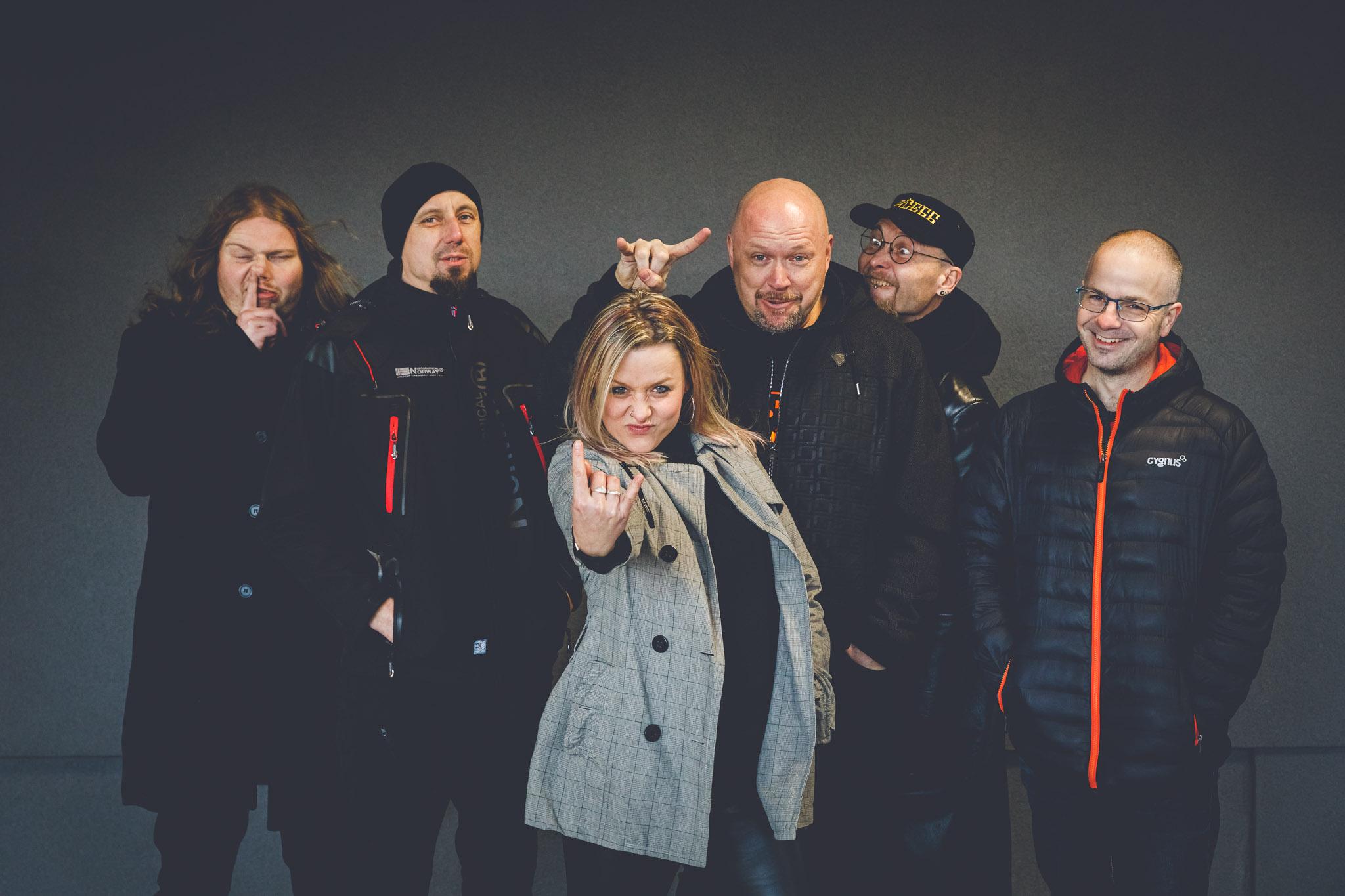
Atrox’s Spotify BioThe Norwegian band Atrox have always been something different within the metal scene. Starting off in 1990 in Trondheim from the ashes of the death metal band Suffocation, they could easily be labeled as a melodic doom metal band. After the debut “Mesmerized” in 1997, the band transformed and came back with new members and a totally new sound in 2000 with “Contentum”. Over the years, more members have changed and their style have progressed for each album. Now, with “Monocle”, their first album since 2008’s “Binocular”, they’ve finetuned their highly progressive, experimental and industrial sound, and are back with full force.
Their latest album “Monocle” shows a darker side of the band, with more epic and atmospheric elements than earlier. At the same time, there are some extremely catchy and upbeat parts throughtout the album, cementing the unique and special sound Atrox have. It’s safe to say they’ve again progressed further, building on the rich musical legacy of the band since… their beginning.
Viberate is a music analytics platform built for A&Rs, artist managers, labels, booking agents, marketers, and artists.
It helps music professionals track artist growth, analyze audience data, monitor playlist activity, compare artists, follow song performance, and identify opportunities across the music market.
Public artist pages provide a free preview of selected artist data. Paid plans provide access to deeper analytics, historical data, charts, comparisons, playlist tools, exports, alerts, reports, and additional professional features.
Yes. Public Viberate artist pages provide selected artist analytics and music data for free.
Viberate also offers a 7-day free trial of the full platform. A credit card is required to start the trial. The trial includes access to the complete product so users can test deeper artist analytics, historical views, playlist insights, comparisons, charts, exports, alerts, and reporting features before choosing a paid plan.
Viberate provides artist analytics across streaming, playlists, social media, video, radio airplay, songs, and audience markets.
Users can analyze Spotify performance, Spotify and Apple Music playlists, YouTube activity, TikTok and Instagram growth, radio spins, song performance, audience locations, demographics, rankings, and overall artist momentum.
Artist profiles also connect to music charts, similar artists, and comparison tools, helping users benchmark performance and evaluate artists in context.
Viberate updates key artist and track data daily.
For followed artists and tracks, selected data is refreshed multiple times per day. This helps teams monitor playlist changes, streaming movement, audience growth, releases, and campaign performance with more current data.
Update frequency can vary depending on the metric and data source.
Yes. Viberate lets users compare up to five artists side by side across streaming, social media, audience, and engagement metrics.
Users can compare fanbase growth, audience demographics, locations, Spotify performance, social metrics, and other artist data over selected time periods.
Artist comparison can be used for A&R scouting, benchmarking, booking decisions, campaign planning, and evaluating artists with similar audiences or market positions.