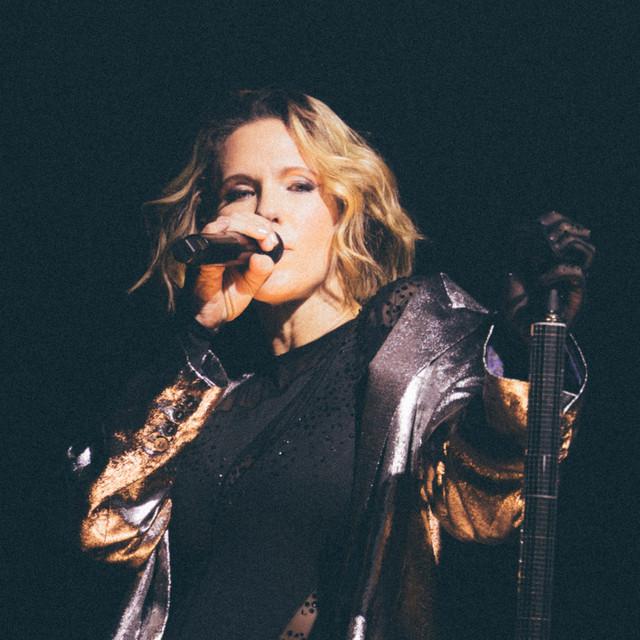
Pauline

Pop
Mainstream Pop
 Viberate Rank: 132644
 Viberate Rank: 132644
 Monthly ListenersFollowers
 Subscribers
 Followers
 Followers
 FansTop Spotify Songs
| Track | 7-Day Streams | |
|---|---|---|
1 | 58.35K | |
2 | 2.74K | |
3 | 1.61K | |
4 | 967 | |
5 | 677 |
Top YouTube VideosMonthly ListenersFeatured in Playlists| Playlist | Followers | |
|---|---|---|
1 |  Hits Français 2000 Spotify | 319.80K |
2 |  Bleu Blanc Route Spotify | 189.84K |
3 |  Chansons Françaises de Légende Topsify France | 121.54K |
4 | Musiques françaises 2000-2026 Charlotte Lelong | 16.65K |
5 |  Hit 2000-2010❤️ Hugo Decorme | 16.48K |
Audience| City | Monthly Listeners | |
|---|---|---|
1 | | 6.98K |
2 | | 3.11K |
3 | | 2.53K |
4 | | 1.49K |
5 | | 1.44K |
See full performance history, audience data, playlist activity, rankings, comparisons, and more in Viberate music analytics. Start with a free trial, then continue with a paid plan.
Pauline’s Spotify BioPauline is a French pop singer/songwriter and pianist whose debut single, "Allô le Monde," was a smash hit throughout the French-language world in 2008. Born Pauline Vasseur on January 5, 1988, in Lens, Pas-de-Calais, France, she began playing the piano at a young age and studied music at the Conservatoire de Lille in northern France. She made her recording debut in summer 2007 with the single "Allô le Monde," followed by an album of the same name a couple months later in the fall. While her debut album is largely self-written, Pauline collaborated extensively with producer Jean-Luc Léonardon and songwriter François Welgryn, who co-penned the title track and a few other songs. Released by Capitol Records, Allô le Monde initially broke into the Top 100 of the French albums chart upon its release in October 2008 but reached no higher than number 92 before falling off the chart a month later. However, once "Allô le Monde" became a smash hit in early 2008, reaching the Top Ten of the… French singles chart and the Top Five of the Belgian singles chart, the album surged back up the French albums chart, reaching the Top 30 and charting for much of 2008. The album's commercial success was bolstered by the release of a follow-up single, "C'est Pas Toi Qui M'auras," in late 2008. Moreover, Pauline embarked on a promotional concert tour in support of her debut album that kept her on the road well into 2009. ~ Jason Birchmeier, Rovi
Viberate is a music analytics platform built for A&Rs, artist managers, labels, booking agents, marketers, and artists.
It helps music professionals track artist growth, analyze audience data, monitor playlist activity, compare artists, follow song performance, and identify opportunities across the music market.
Public artist pages provide a free preview of selected artist data. Paid plans provide access to deeper analytics, historical data, charts, comparisons, playlist tools, exports, alerts, reports, and additional professional features.
Yes. Public Viberate artist pages provide selected artist analytics and music data for free.
Viberate also offers a 7-day free trial of the full platform. A credit card is required to start the trial. The trial includes access to the complete product so users can test deeper artist analytics, historical views, playlist insights, comparisons, charts, exports, alerts, and reporting features before choosing a paid plan.
Viberate provides artist analytics across streaming, playlists, social media, video, radio airplay, songs, and audience markets.
Users can analyze Spotify performance, Spotify and Apple Music playlists, YouTube activity, TikTok and Instagram growth, radio spins, song performance, audience locations, demographics, rankings, and overall artist momentum.
Artist profiles also connect to music charts, similar artists, and comparison tools, helping users benchmark performance and evaluate artists in context.
Viberate updates key artist and track data daily.
For followed artists and tracks, selected data is refreshed multiple times per day. This helps teams monitor playlist changes, streaming movement, audience growth, releases, and campaign performance with more current data.
Update frequency can vary depending on the metric and data source.
Yes. Viberate lets users compare up to five artists side by side across streaming, social media, audience, and engagement metrics.
Users can compare fanbase growth, audience demographics, locations, Spotify performance, social metrics, and other artist data over selected time periods.
Artist comparison can be used for A&R scouting, benchmarking, booking decisions, campaign planning, and evaluating artists with similar audiences or market positions.