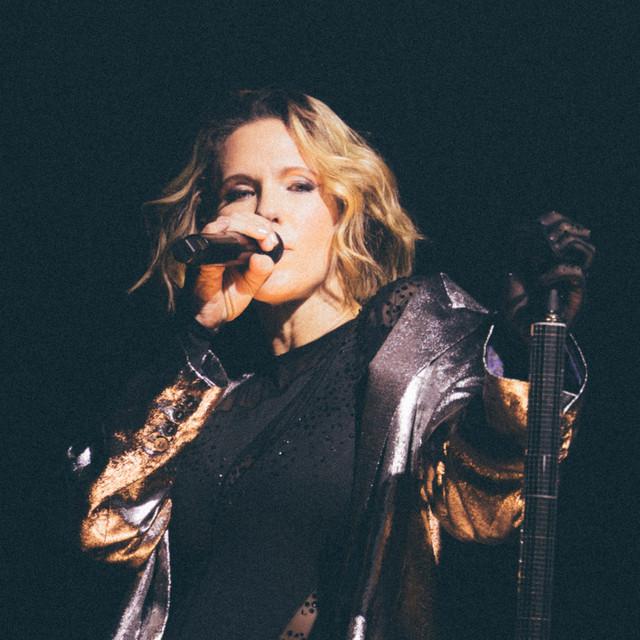
Lorie

Pop
Mainstream Pop
 Viberate Rank: 22314
 Viberate Rank: 22314
 Monthly ListenersFollowers
 Subscribers
 Followers
 Followers
 FansTop Spotify Songs
| Track | 7-Day Streams | |
|---|---|---|
1 | 46.46K | |
2 | 34.55K | |
3 | 17.63K | |
4 | 15.39K | |
5 | 12.99K |
Top YouTube VideosMonthly ListenersFeatured in Playlists| Playlist | Followers | |
|---|---|---|
1 |  Hits Français 2000 Spotify | 319.80K |
2 |  TOP 100 Chansons Françaises 🇫🇷 Alexandre Marotte | 53.28K |
3 |  Génération 90/2000 💿 🎤 iam_somar | 38.89K |
4 | Annees 80 90 2000 pour danser Bibou | 30.79K |
5 | Année 80/2000 clemence.fromant | 19.62K |
Audience| City | Monthly Listeners | |
|---|---|---|
1 | | 12.90K |
2 | | 5.88K |
3 | | 4.35K |
4 |  | 4.33K |
5 | | 2.54K |
See full performance history, audience data, playlist activity, rankings, comparisons, and more in Viberate music analytics. Start with a free trial, then continue with a paid plan.
Lorie’s Spotify BioDe quoi Lorie est-il le prénom ? D’un succès précoce. D’une époque et de chansons populaires qui sont inscrites dans la mémoire musicale du pays depuis vingt années. À seulement 20 ans, Lorie avait mis tous les compteurs dans un rouge vertigineux et aurait pu s’en aller vivre d’autres vies. Depuis elle se promène dans le pré carré des personnalités préférées des Français. À mesure que sa carrière d’actrice s’affûte, les téléspectateurs sont toujours plus nombreux devant le petit écran (Un mari de trop, Meurtres à Grasse). Récemment, même les planches du théâtre ont craqué sous son charme (Pygmalion).
Après la sortie de son dernier album (Les choses de la vie) en novembre 2017 et une année à succès au générique de la série phare de TF1 (Demain nous appartient), celle qu’on appelle désormais Lorie Pester poursuit un chemin. Loin d’être tout tracé celui-ci l’emmène aujourd’hui du côté de l’écriture.
Lorie Pester ou…
8 millions de disques vendus
1,1 million de DVDs vendus
4 tournées ayant réuni… plus de 2 millions de spectateurs
9 albums studios
Viberate is a music analytics platform built for A&Rs, artist managers, labels, booking agents, marketers, and artists.
It helps music professionals track artist growth, analyze audience data, monitor playlist activity, compare artists, follow song performance, and identify opportunities across the music market.
Public artist pages provide a free preview of selected artist data. Paid plans provide access to deeper analytics, historical data, charts, comparisons, playlist tools, exports, alerts, reports, and additional professional features.
Yes. Public Viberate artist pages provide selected artist analytics and music data for free.
Viberate also offers a 7-day free trial of the full platform. A credit card is required to start the trial. The trial includes access to the complete product so users can test deeper artist analytics, historical views, playlist insights, comparisons, charts, exports, alerts, and reporting features before choosing a paid plan.
Viberate provides artist analytics across streaming, playlists, social media, video, radio airplay, songs, and audience markets.
Users can analyze Spotify performance, Spotify and Apple Music playlists, YouTube activity, TikTok and Instagram growth, radio spins, song performance, audience locations, demographics, rankings, and overall artist momentum.
Artist profiles also connect to music charts, similar artists, and comparison tools, helping users benchmark performance and evaluate artists in context.
Viberate updates key artist and track data daily.
For followed artists and tracks, selected data is refreshed multiple times per day. This helps teams monitor playlist changes, streaming movement, audience growth, releases, and campaign performance with more current data.
Update frequency can vary depending on the metric and data source.
Yes. Viberate lets users compare up to five artists side by side across streaming, social media, audience, and engagement metrics.
Users can compare fanbase growth, audience demographics, locations, Spotify performance, social metrics, and other artist data over selected time periods.
Artist comparison can be used for A&R scouting, benchmarking, booking decisions, campaign planning, and evaluating artists with similar audiences or market positions.