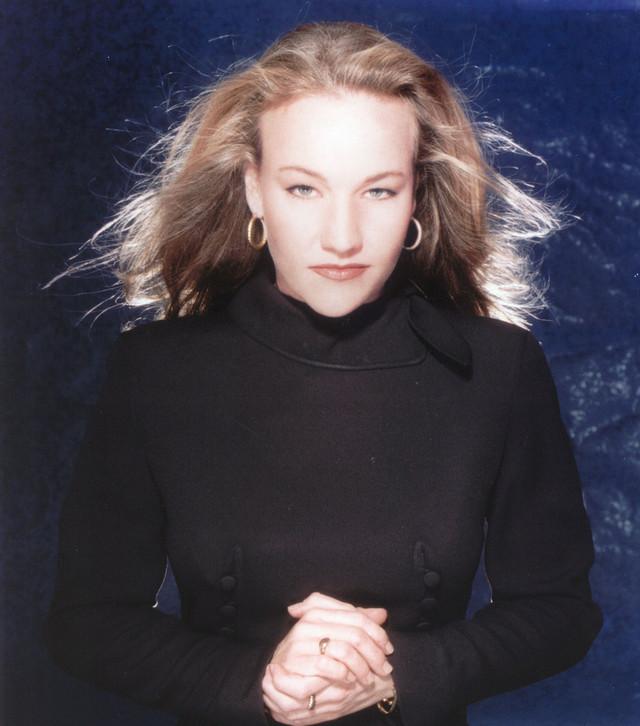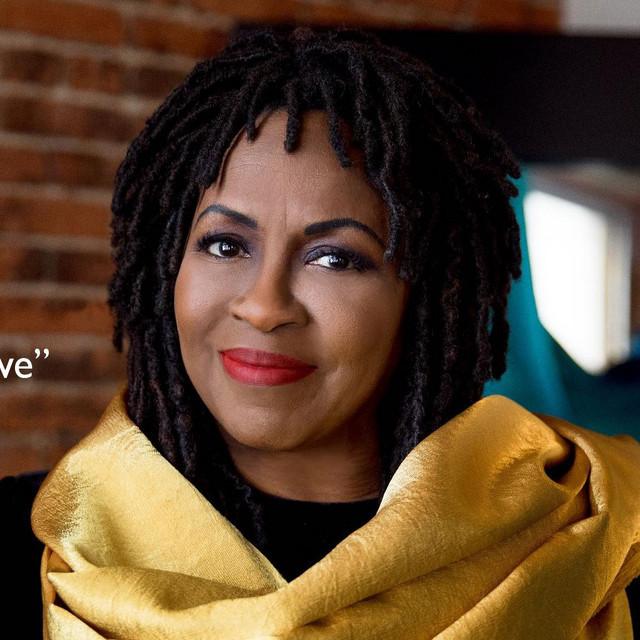
Paulette McWilliams

Jazz
Free Jazz
Smooth Jazz
 Viberate Rank: 290057
 Viberate Rank: 290057
 Monthly ListenersFollowers
 Subscribers
 Followers
 Followers
 FansTop Spotify Songs
| Track | 7-Day Streams | |
|---|---|---|
1 | 811 | |
2 | 449 | |
3 | 53 | |
4 | 38 | |
5 | 34 |
Top YouTube VideosMonthly ListenersFeatured in Playlists| Playlist | Followers | |
|---|---|---|
1 |  Soulful Disco Spotify | 552.90K |
2 | Classic hits everyone knows medomihd | 74.33K |
3 |  Disco Music 70’s / 80’s Jorge Piedra Cardoso | 47.50K |
4 |  © Disco Classics Jaap Bruijstens | 22.53K |
5 |  This Is Minnie Riperton Spotify | 13.39K |
Audience| City | Monthly Listeners | |
|---|---|---|
1 | | 7 |
2 |  | 7 |
3 |  | 6 |
4 |  | 6 |
5 |  | 6 |
See full performance history, audience data, playlist activity, rankings, comparisons, and more in Viberate music analytics. Start with a free trial, then continue with a paid plan.
Paulette McWilliams’ Spotify BioPaulette McWilliams sang on Michael Jackson”s “Don’t Stop ‘Til You Get Enough”, Aretha Franklin’s Jump To It, Billy Idol’s Mony Mony, Luther Vandross’s Stop To Love, Wait For Love, Bad Boy/Having A Party, and Power of Love. Paulette was the lead singer with Ask Rufus being responsible for introducing the group to, Chaka Khan. Through a recording produced by Donny Hathaway/Phil Upchurch, Paulette became solo/lead singer with Quincy for his “Body Heat” tour and was featured on the Mellow Madness – the title song co-written by Paulette. Touring Japan with Quincy she sang a duet with the legendary Sarah Vaughan while Quincy conducted the orchestra. She then toured with Luther Vandross recording on every album after “Forever For Always For Love”. She was a Harlette with Bette Midler. She performed all of the Tammi Terrell duets with Marvin Gaye on his last tour. She has worked with Dolly Parton, Diana Ross, Joan Osborne, Billy Idol, David Bowie, Keith Emerson, The Brecker Brothers,… Aretha Franklin, Mary J. Blige, Jennifer Lopez, Lauryn Hill, Celine Dion, Whitney Houston, Jennifer Lopez, Patty LaBelle, Deborah Cox, Johnny “Guitar” Watson, Herbie Hancock, Anastacia, Teri Lynne Carrington. She recorded duets with Johnny Mathis. Recently she sang on the Nike spot and appeared on tv in the spot with Kobe Bryant for his last game! Paulette’s current release is “A Woman’s Story” with Grammy Award winning producer Kamau Kenyatta ( Gregory Porter).
Viberate is a music analytics platform built for A&Rs, artist managers, labels, booking agents, marketers, and artists.
It helps music professionals track artist growth, analyze audience data, monitor playlist activity, compare artists, follow song performance, and identify opportunities across the music market.
Public artist pages provide a free preview of selected artist data. Paid plans provide access to deeper analytics, historical data, charts, comparisons, playlist tools, exports, alerts, reports, and additional professional features.
Yes. Public Viberate artist pages provide selected artist analytics and music data for free.
Viberate also offers a 7-day free trial of the full platform. A credit card is required to start the trial. The trial includes access to the complete product so users can test deeper artist analytics, historical views, playlist insights, comparisons, charts, exports, alerts, and reporting features before choosing a paid plan.
Viberate provides artist analytics across streaming, playlists, social media, video, radio airplay, songs, and audience markets.
Users can analyze Spotify performance, Spotify and Apple Music playlists, YouTube activity, TikTok and Instagram growth, radio spins, song performance, audience locations, demographics, rankings, and overall artist momentum.
Artist profiles also connect to music charts, similar artists, and comparison tools, helping users benchmark performance and evaluate artists in context.
Viberate updates key artist and track data daily.
For followed artists and tracks, selected data is refreshed multiple times per day. This helps teams monitor playlist changes, streaming movement, audience growth, releases, and campaign performance with more current data.
Update frequency can vary depending on the metric and data source.
Yes. Viberate lets users compare up to five artists side by side across streaming, social media, audience, and engagement metrics.
Users can compare fanbase growth, audience demographics, locations, Spotify performance, social metrics, and other artist data over selected time periods.
Artist comparison can be used for A&R scouting, benchmarking, booking decisions, campaign planning, and evaluating artists with similar audiences or market positions.