Dee Daniels

Jazz
Smooth Jazz
Vocal jazz
 Viberate Rank: 354699
 Viberate Rank: 354699
 Monthly ListenersFollowers
 Subscribers
 Followers
 Followers
 FansTop Spotify Songs
| Track | 7-Day Streams | |
|---|---|---|
1 | 43 | |
2 | 39 | |
3 | 26 | |
4 | 23 | |
5 | 18 |
Top YouTube VideosMonthly ListenersFeatured in Playlists| Playlist | Followers | |
|---|---|---|
1 |  Women in jazz Mons Records | 4.67K |
2 | Christmas 2023 New Releases 🎄❄️ HappinessNation | 4.49K |
3 | Best of Jazz Audiophile Voices jb311087 | 2.15K |
4 | Jazz sexy pelleteur | 2.12K |
5 |  Jazz Hymns renepenalba | 1.57K |
Audience| City | Monthly Listeners | |
|---|---|---|
1 |  | 10 |
2 |  | 10 |
3 |  | 8 |
4 |  | 8 |
5 |  | 8 |
See full performance history, audience data, playlist activity, rankings, comparisons, and more in Viberate music analytics. Start with a free trial, then continue with a paid plan.
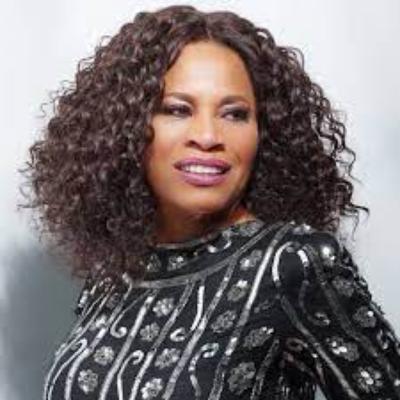
Dee Daniels’ Spotify BioDee Daniels mixes together the influences of Sarah Vaughan, R&B, and gospel in her own appealing style. She started off singing in church as a child and also took piano lessons so she could play for the choirs of her stepfather's church. She earned an art degree from the University of Montana in 1970 and taught art in high school in Seattle. She also sang on the side, at first for the fun of it and then eventually six nights a week with a band that performed rock and R&B. In 1972 she quit her teaching job to concentrate exclusively on singing.
Over time, Daniels began to love improvising and gradually drifted toward jazz. While living in Europe during 1982-1987, she worked with such jazz greats as Toots Thielemans, Monty Alexander, Johnny Griffin, and John Clayton. Although she moved back to the U.S. in 1987, she has performed often in other countries including Canada, Australia, Hong Kong, 11 African countries, and throughout Europe, and is actually better known overseas than in the… U.S.
Daniels has appeared in such shows as the musical comedy Wang Dang Doodle and the 2001 Calgary Stampede, and she has performed with both jazz groups and pops orchestras. Along the way she has recorded for Capri, Mons (with the Metropole Orchestra), Three XD Music, and Origin in addition to releasing a DVD on Challenge. ~ Scott Yanow, Rovi
Viberate is a music analytics platform built for A&Rs, artist managers, labels, booking agents, marketers, and artists.
It helps music professionals track artist growth, analyze audience data, monitor playlist activity, compare artists, follow song performance, and identify opportunities across the music market.
Public artist pages provide a free preview of selected artist data. Paid plans provide access to deeper analytics, historical data, charts, comparisons, playlist tools, exports, alerts, reports, and additional professional features.
Yes. Public Viberate artist pages provide selected artist analytics and music data for free.
Viberate also offers a 7-day free trial of the full platform. A credit card is required to start the trial. The trial includes access to the complete product so users can test deeper artist analytics, historical views, playlist insights, comparisons, charts, exports, alerts, and reporting features before choosing a paid plan.
Viberate provides artist analytics across streaming, playlists, social media, video, radio airplay, songs, and audience markets.
Users can analyze Spotify performance, Spotify and Apple Music playlists, YouTube activity, TikTok and Instagram growth, radio spins, song performance, audience locations, demographics, rankings, and overall artist momentum.
Artist profiles also connect to music charts, similar artists, and comparison tools, helping users benchmark performance and evaluate artists in context.
Viberate updates key artist and track data daily.
For followed artists and tracks, selected data is refreshed multiple times per day. This helps teams monitor playlist changes, streaming movement, audience growth, releases, and campaign performance with more current data.
Update frequency can vary depending on the metric and data source.
Yes. Viberate lets users compare up to five artists side by side across streaming, social media, audience, and engagement metrics.
Users can compare fanbase growth, audience demographics, locations, Spotify performance, social metrics, and other artist data over selected time periods.
Artist comparison can be used for A&R scouting, benchmarking, booking decisions, campaign planning, and evaluating artists with similar audiences or market positions.