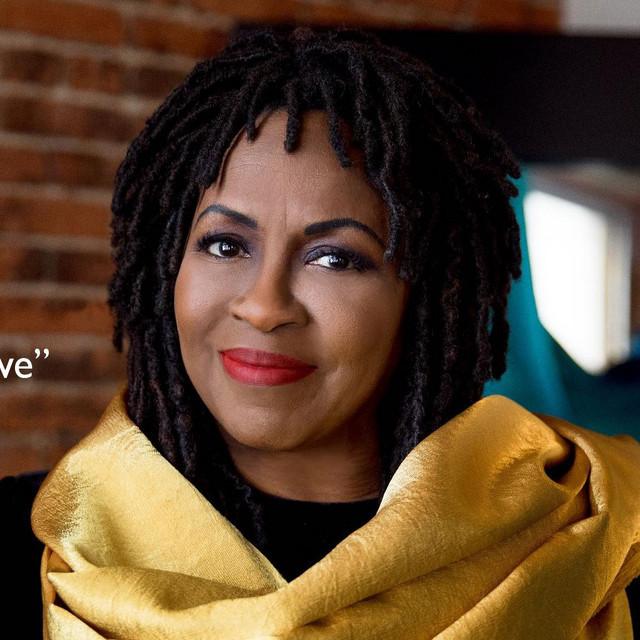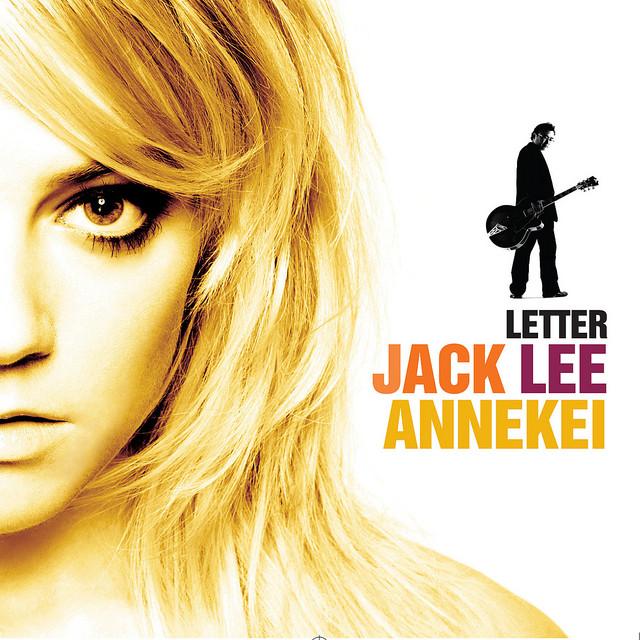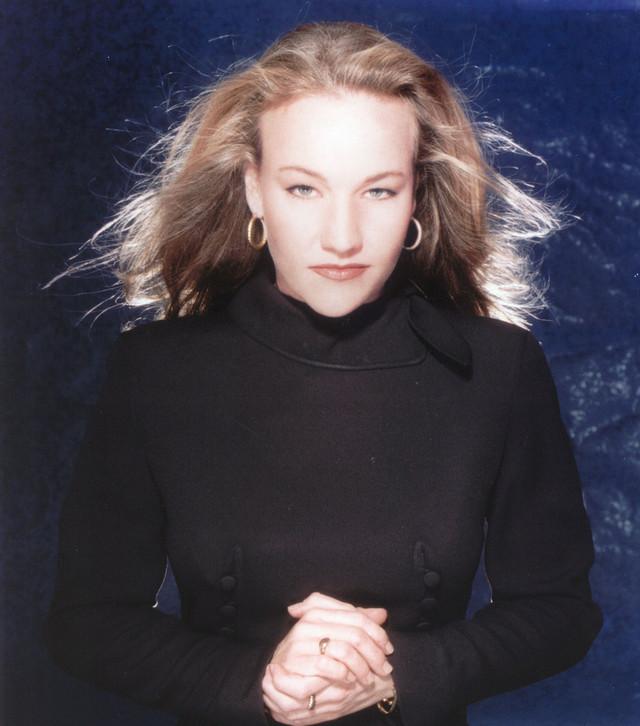
Carol Duboc

Jazz
Smooth Jazz
Contemporary R&B
Mainstream Pop
 Viberate Rank: 210883
 Viberate Rank: 210883
 Monthly ListenersFollowers
 Subscribers
 Followers
 Followers
 FansTop Spotify Songs
| Track | 7-Day Streams | |
|---|---|---|
1 | 609 | |
2 | 494 | |
3 | 329 | |
4 | 264 | |
5 | 261 |
Top YouTube VideosMonthly ListenersFeatured in Playlists| Playlist | Followers | |
|---|---|---|
1 |  old money vibes 💸 Ethereal Records | 48.30K |
2 |  Joy for Your Soul 🌞 The Sandlot Vintage | 22.28K |
3 |  Best of Crossover 105.1 spongepola | 20.71K |
4 |  Smooth Jazz 2026 - Bar & Restaurant Music Inner Peace Music | 11.55K |
5 |  Franse Chansons Stan Steeghs | 10.13K |
Audience| City | Monthly Listeners | |
|---|---|---|
1 |  | 68 |
2 |  | 61 |
3 |  | 60 |
4 |  | 45 |
5 |  | 44 |
See full performance history, audience data, playlist activity, rankings, comparisons, and more in Viberate music analytics. Start with a free trial, then continue with a paid plan.
Carol Duboc’s Spotify BioThe multi-talented Carol Duboc (singer/songwriter, musician, arranger) possesses a sultry voice which is custom made for jazz, as she's worked with the likes of George Duke, Patti LaBelle, Maurice White, Joe Sample, Hubert Laws, Jeff Lorber, Stephanie Mills, and Chante Moore, among others. Born in Kansas City, MO, Duboc found herself influenced by such jazz greats as Charlie Parker and Count Basie (both of which originally hailed from her hometown), as well as Miles Davis and Joe Henderson. Her musical family encouraged Duboc to pursue her interest in music, as she began playing piano at age five, learned to play saxophone, and joined the Kansas City Performing Arts Company as both a singer and actress. Duboc eventually relocated to Los Angeles to attend U.S.C.'s school of music as a vocal performance major, which led to singing on recordings by other artists. She worked for a while with noted pop/R&B producer Teddy Riley, but her true love lay in jazz, which resulted in Duboc… recording, producing, and co-writing her own CD, 2001's With All That I Am. In addition to her solo career, Duboc has penned songs for others, including the title-track for Chante Moore's Precious (for which she also supplied the vocal arrangements), "Never Do You Wrong" for Stephanie Mills, plus songs that have appeared on Patti Labelle's Gems and Jade's Jade to the Max. ~ Greg Prato, Rovi
Viberate is a music analytics platform built for A&Rs, artist managers, labels, booking agents, marketers, and artists.
It helps music professionals track artist growth, analyze audience data, monitor playlist activity, compare artists, follow song performance, and identify opportunities across the music market.
Public artist pages provide a free preview of selected artist data. Paid plans provide access to deeper analytics, historical data, charts, comparisons, playlist tools, exports, alerts, reports, and additional professional features.
Yes. Public Viberate artist pages provide selected artist analytics and music data for free.
Viberate also offers a 7-day free trial of the full platform. A credit card is required to start the trial. The trial includes access to the complete product so users can test deeper artist analytics, historical views, playlist insights, comparisons, charts, exports, alerts, and reporting features before choosing a paid plan.
Viberate provides artist analytics across streaming, playlists, social media, video, radio airplay, songs, and audience markets.
Users can analyze Spotify performance, Spotify and Apple Music playlists, YouTube activity, TikTok and Instagram growth, radio spins, song performance, audience locations, demographics, rankings, and overall artist momentum.
Artist profiles also connect to music charts, similar artists, and comparison tools, helping users benchmark performance and evaluate artists in context.
Viberate updates key artist and track data daily.
For followed artists and tracks, selected data is refreshed multiple times per day. This helps teams monitor playlist changes, streaming movement, audience growth, releases, and campaign performance with more current data.
Update frequency can vary depending on the metric and data source.
Yes. Viberate lets users compare up to five artists side by side across streaming, social media, audience, and engagement metrics.
Users can compare fanbase growth, audience demographics, locations, Spotify performance, social metrics, and other artist data over selected time periods.
Artist comparison can be used for A&R scouting, benchmarking, booking decisions, campaign planning, and evaluating artists with similar audiences or market positions.