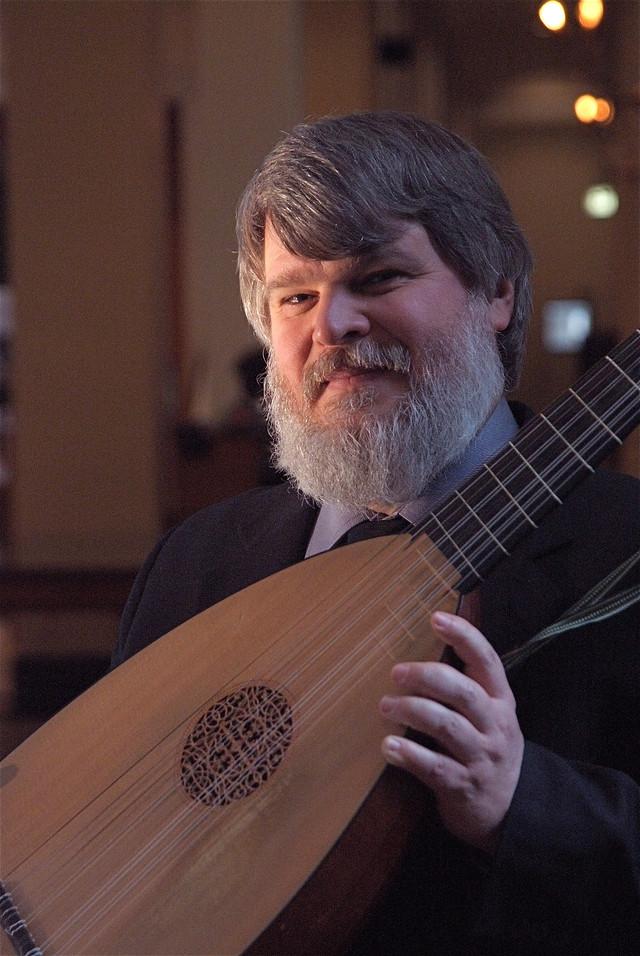
Paul O'Dette

European
Other European Music
 Viberate Rank: 154004
 Viberate Rank: 154004
 Monthly ListenersFollowers
 Subscribers
 Followers
 Followers
 FansTop Spotify Songs
| Track | 7-Day Streams | |
|---|---|---|
1 | 2.67K | |
2 | 2.36K | |
3 | 879 | |
4 | 832 | |
5 | 659 |
Top YouTube VideosMonthly ListenersFeatured in Playlists| Playlist | Followers | |
|---|---|---|
1 |  Renaissance Classics Spotify | 74.15K |
2 |  Medieval Music – Renaissance, Taverns & Fantasy Derek Fiechter | 60.88K |
3 | Baroque For Thinking & Study redzeno52 | 41.80K |
4 |  This Is Purcell Spotify | 35.81K |
5 |  Tavern Music Trent Adams | 34.77K |
Audience| City | Monthly Listeners | |
|---|---|---|
1 |  | 665 |
2 |  | 602 |
3 |  | 581 |
4 | | 373 |
5 |  | 373 |
See full performance history, audience data, playlist activity, rankings, comparisons, and more in Viberate music analytics. Start with a free trial, then continue with a paid plan.
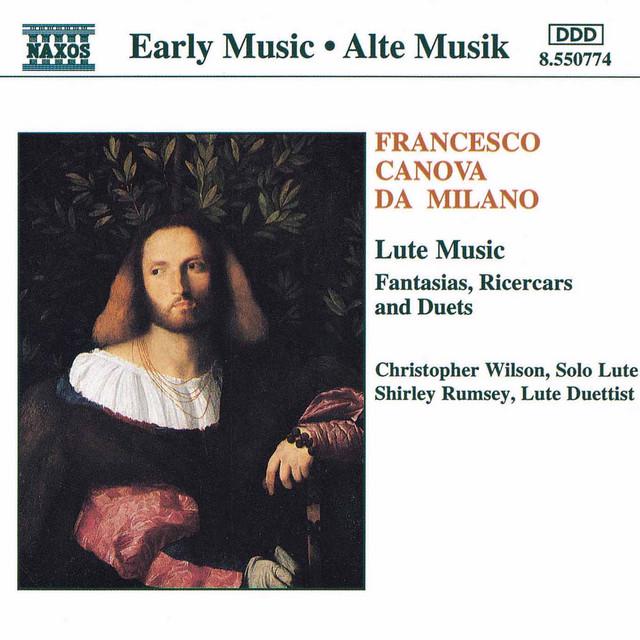
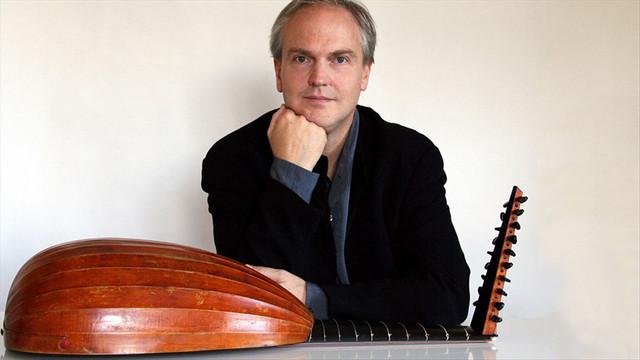
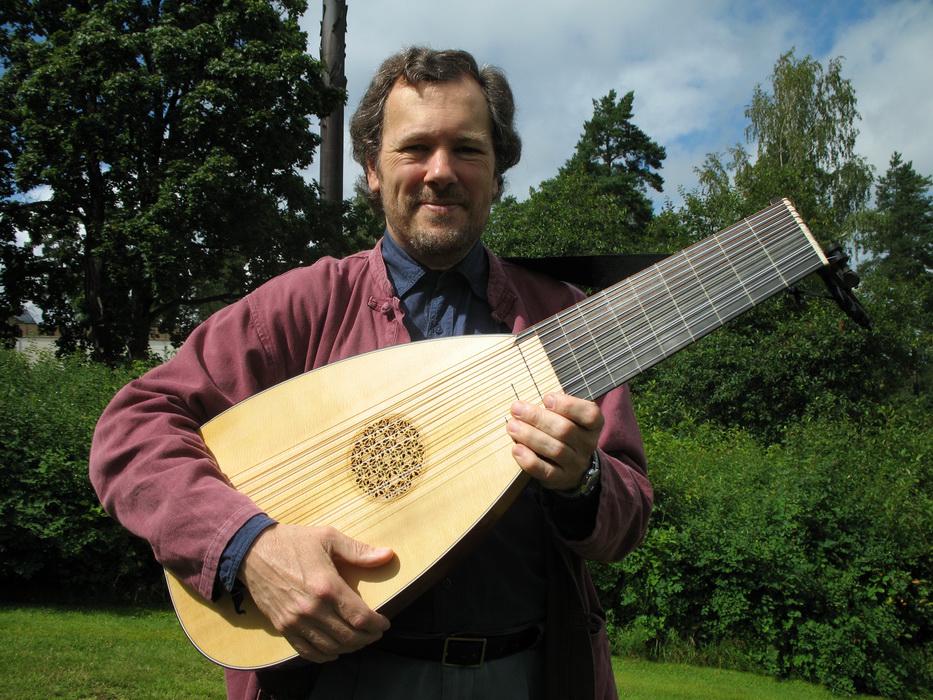
Paul O'Dette’s Spotify BioFew instrumentalists establish themselves with such firm authority as Paul O'Dette has on the lute. In fact, O'Dette helped define the technical and stylistic standards to which 21st century performers of early music aspire. In doing so, he helped infuse the performance practice movement with a perfect combination of historical awareness, idiomatic accuracy, and ambitious self-expression. "I remember when I first started playing the lute," O'Dette once recalled, "the common perception of Renaissance music was that it was kind of pre-expression -- that people didn't use dynamics, they didn't use tone colors... [But] the more we've learned, we've realized that in fact all of these expressive devices were being used throughout the 16th century." O'Dette deserves much of the credit for bringing this aspect of early music to the fore of performance practice.
O'Dette was born on February 2, 1954, in Pittsburgh, Pennsylvania. His musical career began when he played electric guitar in a rock… band. Frustrated with the lack of pedagogical consensus within the rock guitar world, and seeking a higher level of technical rigor and discipline, O'Dette took a friend's advice and sought out instruction from a classical guitar teacher to improve his playing. His first assignment under his new teacher was to learn some Renaissance lute pieces arranged for guitar. He was immediately transfixed by the sonorities of the Renaissance and sought out recordings of the music on authentic instruments. Over the next few decades, O'Dette's collection expanded to include over 20 instruments, including a lute, an archlute, a chitarrone, and a Baroque guitar. He studied early music at the Schola Cantorum Basiliensis, performance practice of medieval and Renaissance music with Thomas Binkley and Studio der frühen Musik, lute with Eugen Dombois, and guitar with Christopher Parkening and Michael Lorimer. In 1976, O'Dette became director of early music at the Eastman School of Music.
He has appeared on over 100 recordings, both as a featured performer and with such prestigious company as Nigel Rogers, Christopher Hogwood, Jordi Savall, Trevor Pinnock, and Gustav Leonhardt. He has recorded for several labels, including Harmonia Mundi, CPO, EMI Classics, and Hyperion. Among his accolades are several nominations for Record of the Year for his highly respected 1995 recording of John Dowland's complete works for lute, and his 1996 release of Purcell songs, a collaboration with Sylvia McNair, won a Grammy. He has been nominated for seven Grammy awards, including a Best Opera Recording win in 2014 for Charpentier: La Descente d'Orphée aux Enfers, and another Best Opera Recording nomination in 2019 for Charpentier: Les Arts Florissants; Les Plaisirs de Versailles. In 2020, O'Dette joined Stephen Stubbs to lead the Boston Early Music Festival Orchestra in a CPO release of Handel's Almira.
Perhaps O'Dette's style can be described as deeply human. Crucial to his sound is his awareness of the ethnic and dance topics that figure into the music. The dance gestures that correspond -- albeit sometimes only in a stylized way -- to the musical figures, find expression in the contour and phrasing of O'Dette's lines. He makes another enlightening comparison, as well, one based on writings contemporaneous to the music: "All of the 16th century sources say that the best instrumentalists are those who can make you believe you are listening to words -- that the best instrumental playing strives to imitate the voice in every way possible." This appealing (and historically informed) philosophy of performance, and O'Dette's impeccable technique, have made his practice of early music a creative, rather than a curatorial, endeavor.
Viberate is a music analytics platform built for A&Rs, artist managers, labels, booking agents, marketers, and artists.
It helps music professionals track artist growth, analyze audience data, monitor playlist activity, compare artists, follow song performance, and identify opportunities across the music market.
Public artist pages provide a free preview of selected artist data. Paid plans provide access to deeper analytics, historical data, charts, comparisons, playlist tools, exports, alerts, reports, and additional professional features.
Yes. Public Viberate artist pages provide selected artist analytics and music data for free.
Viberate also offers a 7-day free trial of the full platform. A credit card is required to start the trial. The trial includes access to the complete product so users can test deeper artist analytics, historical views, playlist insights, comparisons, charts, exports, alerts, and reporting features before choosing a paid plan.
Viberate provides artist analytics across streaming, playlists, social media, video, radio airplay, songs, and audience markets.
Users can analyze Spotify performance, Spotify and Apple Music playlists, YouTube activity, TikTok and Instagram growth, radio spins, song performance, audience locations, demographics, rankings, and overall artist momentum.
Artist profiles also connect to music charts, similar artists, and comparison tools, helping users benchmark performance and evaluate artists in context.
Viberate updates key artist and track data daily.
For followed artists and tracks, selected data is refreshed multiple times per day. This helps teams monitor playlist changes, streaming movement, audience growth, releases, and campaign performance with more current data.
Update frequency can vary depending on the metric and data source.
Yes. Viberate lets users compare up to five artists side by side across streaming, social media, audience, and engagement metrics.
Users can compare fanbase growth, audience demographics, locations, Spotify performance, social metrics, and other artist data over selected time periods.
Artist comparison can be used for A&R scouting, benchmarking, booking decisions, campaign planning, and evaluating artists with similar audiences or market positions.