Hopkinson Smith

Classical
Classical Crossover
Other European Music
 Viberate Rank: 159158
 Viberate Rank: 159158
 Monthly ListenersFollowers
 Subscribers
 Followers
 Followers
 FansTop Spotify Songs
| Track | 7-Day Streams | |
|---|---|---|
1 | 6.23K | |
2 | 3.62K | |
3 | 1.76K | |
4 | 1.71K | |
5 | 1.71K |
Top YouTube Videos| Video | 7-Day Views | |
|---|---|---|
1 | 2 |
Monthly ListenersFeatured in Playlists| Playlist | Followers | |
|---|---|---|
1 |  medieval vibes Spotify | 500.32K |
2 |  Renaissance Classics Spotify | 74.13K |
3 |  reading in a castle Spotify | 59.10K |
4 |  Livres Audio Corinne Xantheas | 19.74K |
5 |  NPR Classical NPR Music | 14.43K |
Audience| City | Monthly Listeners | |
|---|---|---|
1 |  | 755 |
2 |  | 562 |
3 |  | 531 |
4 | | 482 |
5 |  | 399 |
See full performance history, audience data, playlist activity, rankings, comparisons, and more in Viberate music analytics. Start with a free trial, then continue with a paid plan.
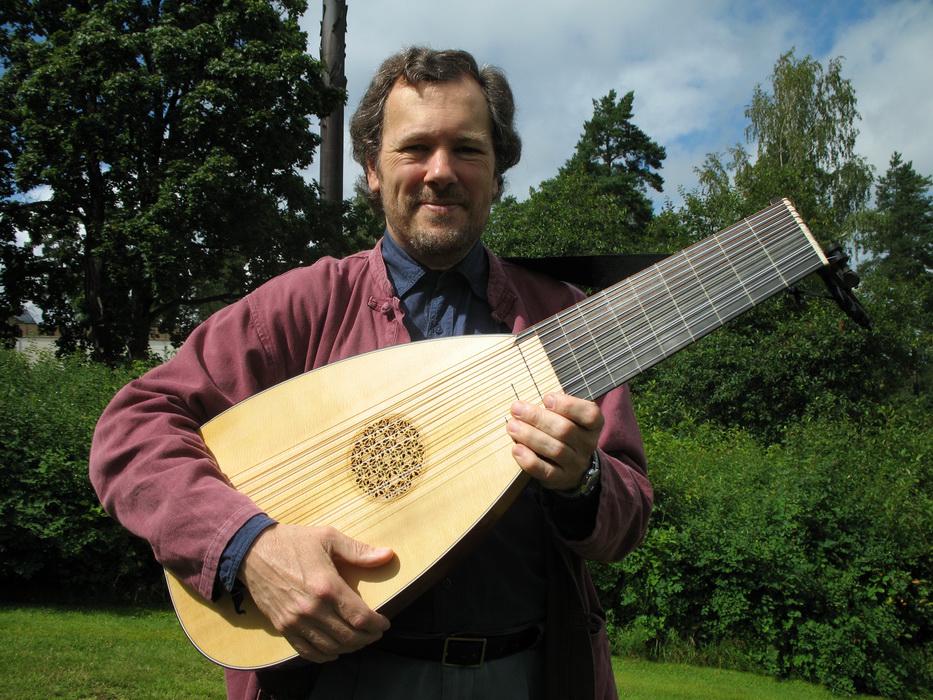
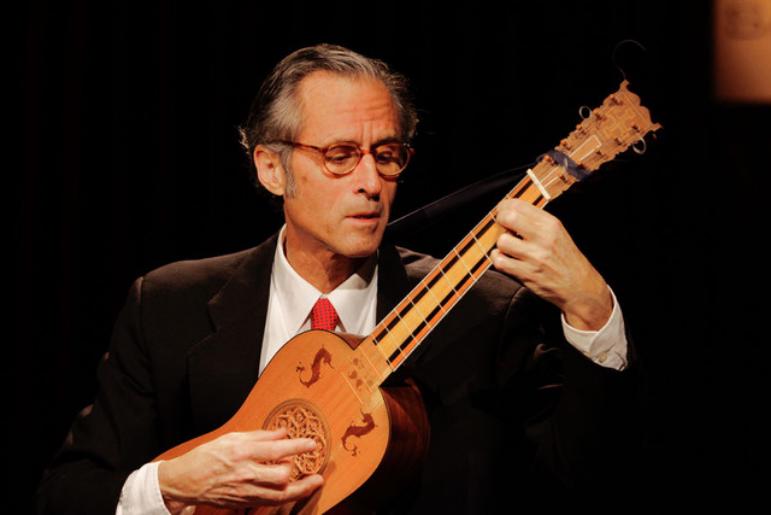
Hopkinson Smith’s Spotify BioHopkinson Smith is one of the world's foremost experts on early plucked instruments, recognized for his knowledge of and performances on the lute, theorbo, vihuela, and predecessors of the guitar. As such, Smith has also taught many of the following generation of lutenists.
As a teenager, Smith played classical guitar, but then discovered the world of early music and began teaching himself to play the lute. He graduated with honors from Harvard in 1972 with a degree in musicology, which has served him well in his research on works written for early plucked instruments. He studied lute with Emilio Pujol in Catalonia and Eugen Dombois in Switzerland, and then worked with viola da gambist Jordi Savall to found the ensemble Hespèrion XX in the mid-1970s. He went on to spend ten years with the group, growing creatively as a chamber musician and finding it a good balance to his solo work. From the mid-1980s, Smith concentrated on his research and performance of solo works for his instruments,… ranging from Renaissance dances and fantasias to Baroque composers Kapsberger, the Gaultiers, Mouton, Sanz, and Weiss, to name just a few. His discography includes nearly 40 recordings of these works on the Astrée and Naïve labels, beginning with La Réthorique des Dieux in 1976, featuring suites by Denis Gaultier. He has also recorded his own transcriptions of Bach's solo violin works (2000) to much acclaim, in addition to Bach's lute works. Another award-winning album was 2008's Francesco de Milano.
Smith gives master classes throughout North and South America and Europe and was on the faculty of the Schola Cantorum in Basel, Switzerland, where he makes his home, until his retirement in 2020. Yasunori Imamura and Rolf Lislevand are just two of his many students who have gone on to their own successful careers. Smith's playing is noted frequently by reviewers for its tastefulness and expertise while also being warm and always consciously expressive no matter what type of piece he is playing. He collaborated with vocalist Mariana Flores to record lute songs on 2019's Dowland: Whose Heavenly Touch. Following his retirement from teaching, Smith continues performing and recording, releasing Bright and Early, a program of early 16th century pieces from France and Italy, in 2023. ~ Patsy Morita, Rovi
Viberate is a music analytics platform built for A&Rs, artist managers, labels, booking agents, marketers, and artists.
It helps music professionals track artist growth, analyze audience data, monitor playlist activity, compare artists, follow song performance, and identify opportunities across the music market.
Public artist pages provide a free preview of selected artist data. Paid plans provide access to deeper analytics, historical data, charts, comparisons, playlist tools, exports, alerts, reports, and additional professional features.
Yes. Public Viberate artist pages provide selected artist analytics and music data for free.
Viberate also offers a 7-day free trial of the full platform. A credit card is required to start the trial. The trial includes access to the complete product so users can test deeper artist analytics, historical views, playlist insights, comparisons, charts, exports, alerts, and reporting features before choosing a paid plan.
Viberate provides artist analytics across streaming, playlists, social media, video, radio airplay, songs, and audience markets.
Users can analyze Spotify performance, Spotify and Apple Music playlists, YouTube activity, TikTok and Instagram growth, radio spins, song performance, audience locations, demographics, rankings, and overall artist momentum.
Artist profiles also connect to music charts, similar artists, and comparison tools, helping users benchmark performance and evaluate artists in context.
Viberate updates key artist and track data daily.
For followed artists and tracks, selected data is refreshed multiple times per day. This helps teams monitor playlist changes, streaming movement, audience growth, releases, and campaign performance with more current data.
Update frequency can vary depending on the metric and data source.
Yes. Viberate lets users compare up to five artists side by side across streaming, social media, audience, and engagement metrics.
Users can compare fanbase growth, audience demographics, locations, Spotify performance, social metrics, and other artist data over selected time periods.
Artist comparison can be used for A&R scouting, benchmarking, booking decisions, campaign planning, and evaluating artists with similar audiences or market positions.