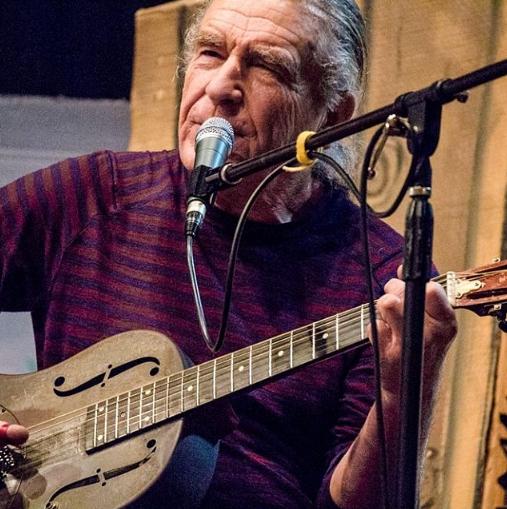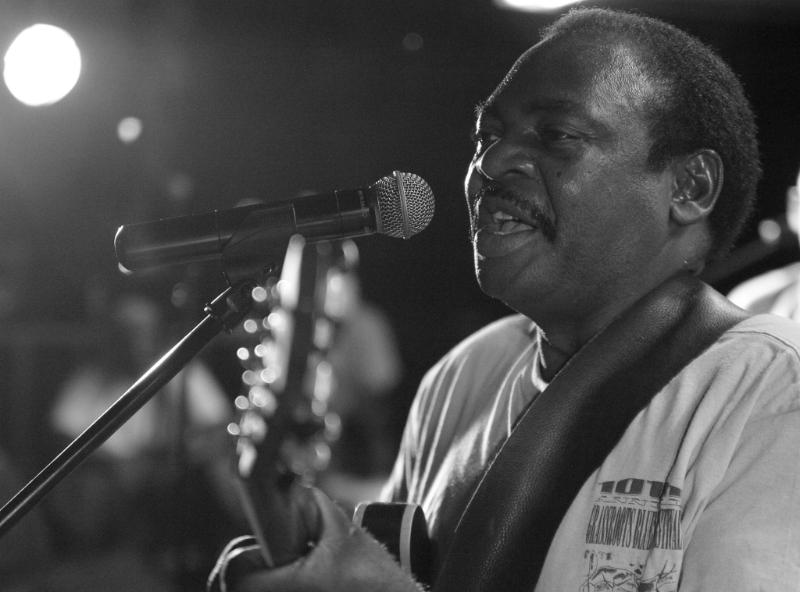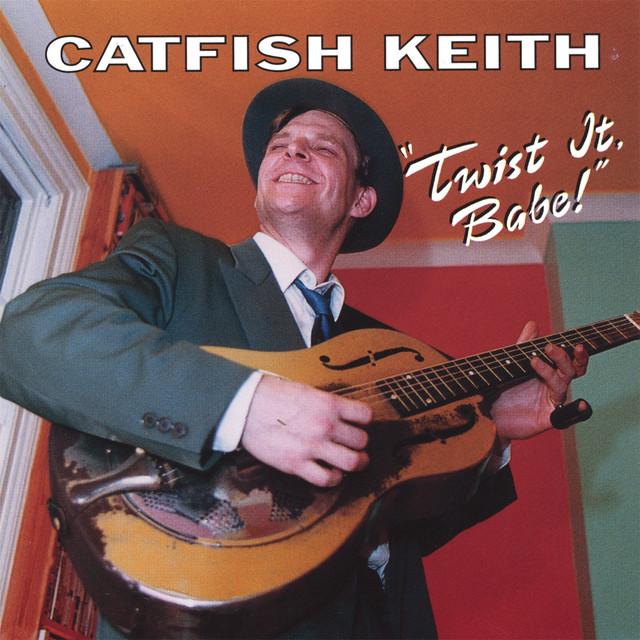
Catfish Keith

Blues
Contemporary Blues
Classical Crossover
 Viberate Rank: 311926
 Viberate Rank: 311926
 Monthly ListenersFollowers
 Subscribers
 Followers
 Followers
 FansTop Spotify Songs
| Track | 7-Day Streams | |
|---|---|---|
1 | 393 | |
2 | 178 | |
3 | 97 | |
4 | 31 | |
5 | 16 |
Top YouTube Videos| Video | 7-Day Views | |
|---|---|---|
1 | 29 | |
2 | 22 | |
3 | 16 | |
4 | 7 | |
5 | 7 |
Monthly ListenersFeatured in Playlists| Playlist | Followers | |
|---|---|---|
1 |  Slow Blues & Blues Rock | Don's Tunes Don's Tunes | 19.74K |
2 | R L Burnside Angus Burton | 5.36K |
3 |  Western Ambient The Playlist Vault | 3.77K |
4 |  Marijuana Jeff Levin | 2.76K |
5 |  Southern Gothic, Western Gothic, Country Blues, Dark Country, Western Ambience , Y'allternative Ben Styles | 2.24K |
Audience| City | Monthly Listeners | |
|---|---|---|
1 |  | 36 |
2 |  | 35 |
3 | | 30 |
4 | | 22 |
5 | | 16 |
See full performance history, audience data, playlist activity, rankings, comparisons, and more in Viberate music analytics. Start with a free trial, then continue with a paid plan.
Catfish Keith’s Spotify BioA cutting-edge blues singer, songwriter, and slide guitarist Catfish Keith was born on February 9, 1962 in East Chicago, IN. As a child he first heard the blues while living in "The Harbor," a working class steel mill town. Listening to Muddy Waters, Howlin' Wolf, and Buddy Guy on the radio gave him a love of the blues. When he first picked up the guitar as a teenager, he was inspired to aim for the deep Delta blues after hearing songs by Son House. Following high school in Davenport, IA, Catfish Keith hit the road, embarking on his lifelong quest as a solo performer of American roots music. His many travels took him to the Caribbean, where in the Virgin Islands he crewed briefly on a sailboat. He absorbed the rhythms of Jazz, Calypso, Reggae and the music of Joseph Spence. This music gave Catfish Keith inspiration to reach new musical heights. Though he grew up on the Mississippi River, Catfish Keith earned his nickname from a West Indian lobster diving partner who, after seeing him… swim, dubbed him "Catfish-Swimmin'-Around," and "Catfish-Steel-Guitar-Man." In 1984, at age 22, Catfish Keith recorded his first album on the Kicking Mule label, Catfish Blues. The all-solo debut established him as a new force in acoustic blues. It reached number one on independent worldwide radio charts. This enabled Catfish Keith to play and tour heartily. He was constantly learning directly from legends such as Johnny Shines, David Honeyboy Edwards, Jessie Mae Hemphill, and Henry Townsend. Catfish Keith and Penny Cahill married in 1988 and they soon formed Fish Tail Records. In 1991, Pepper in My Shoe, was released to rave reviews, sparking international interest and extensive touring in the U.K. and Europe. Catfish Keith was embraced as a true blues star. The Guardian called Catfish Keith, "a solo revelation" who was "breaking new ground for blues." Catfish Keith, headlining major festivals and concerts, was featured on the covers of Blues Life of Austria/Germany, Blueprint in the U.K., and Block in the Netherlands. Pepper in My Shoe was followed by Jitterbug Swing, which was nominated for a W.C. Handy Award for "Beset Acoustic Blues Album of 1992." Catfish Keith was also honored to perform at the W.C. Handy Awards show, where he appeared alongside Robert Cray, Billy Gibbons of ZZ Top, Buddy Guy, Johnny Copeland, Delbert McClinton, and others. The British Blues Connection nominated Catfish Keith for "Best Overseas Artist," naming him "the new slide king of the National steel guitar." Cherry Ball was released in 1993, further exploring Catfish's string-twanging style to the delight of an ever-growing following of devoted fans. James Jensen in Dirty Linen wrote: "Catfish will give you goose bumps and leave you howling for more!" Catfish Keith's fifth solo album, Fresh Catfish, was nominated for a W.C. Handy Award for "Best Acoustic Blues Album of 1995." This disc displayed the drive and swing of a true blues performer on the vanguard of the era's music scene. Mark E. Gallo of the Blues Review was quoted as saying, "Catfish Keith is hands down one of the finest acoustic bluesmen in America." In 1999, Catfish Keith released Pony Run, another amazing compilation of guitar genius. ~ Larry Belanger, Rovi
Viberate is a music analytics platform built for A&Rs, artist managers, labels, booking agents, marketers, and artists.
It helps music professionals track artist growth, analyze audience data, monitor playlist activity, compare artists, follow song performance, and identify opportunities across the music market.
Public artist pages provide a free preview of selected artist data. Paid plans provide access to deeper analytics, historical data, charts, comparisons, playlist tools, exports, alerts, reports, and additional professional features.
Yes. Public Viberate artist pages provide selected artist analytics and music data for free.
Viberate also offers a 7-day free trial of the full platform. A credit card is required to start the trial. The trial includes access to the complete product so users can test deeper artist analytics, historical views, playlist insights, comparisons, charts, exports, alerts, and reporting features before choosing a paid plan.
Viberate provides artist analytics across streaming, playlists, social media, video, radio airplay, songs, and audience markets.
Users can analyze Spotify performance, Spotify and Apple Music playlists, YouTube activity, TikTok and Instagram growth, radio spins, song performance, audience locations, demographics, rankings, and overall artist momentum.
Artist profiles also connect to music charts, similar artists, and comparison tools, helping users benchmark performance and evaluate artists in context.
Viberate updates key artist and track data daily.
For followed artists and tracks, selected data is refreshed multiple times per day. This helps teams monitor playlist changes, streaming movement, audience growth, releases, and campaign performance with more current data.
Update frequency can vary depending on the metric and data source.
Yes. Viberate lets users compare up to five artists side by side across streaming, social media, audience, and engagement metrics.
Users can compare fanbase growth, audience demographics, locations, Spotify performance, social metrics, and other artist data over selected time periods.
Artist comparison can be used for A&R scouting, benchmarking, booking decisions, campaign planning, and evaluating artists with similar audiences or market positions.