Paul Dukas

Classical
Orchestral
 Viberate Rank: 203823
 Viberate Rank: 203823
 Monthly ListenersFollowers
 Subscribers
 Followers
 Followers
 FansTop Spotify Songs
| Track | 7-Day Streams | |
|---|---|---|
1 | 26.39K | |
2 | 4.18K | |
3 | 4.08K | |
4 | 2.49K | |
5 | 2.45K |
Top YouTube Videos| Video | 7-Day Views | |
|---|---|---|
1 | 67 |
Monthly ListenersFeatured in Playlists| Playlist | Followers | |
|---|---|---|
1 |  As Músicas Clássicas mais Conhecidas cris.flessak | 104.77K |
2 | "Clasica" Yesenia Melendez Castellanos | 96.95K |
3 | Disneyland Park Music + Cal Adventure Robert Seitz | 29.24K |
4 |  Disney Parks: Background Music j3shafer | 24.41K |
5 |  Disney Greatest Hits Jordan Barr | 22.15K |
Audience| City | Monthly Listeners | |
|---|---|---|
1 |  | 2.20K |
2 |  | 1.47K |
3 |  | 1.42K |
4 |  | 1.17K |
5 |  | 947 |
See full performance history, audience data, playlist activity, rankings, comparisons, and more in Viberate music analytics. Start with a free trial, then continue with a paid plan.
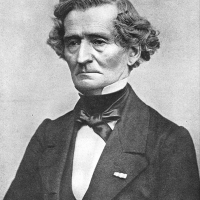
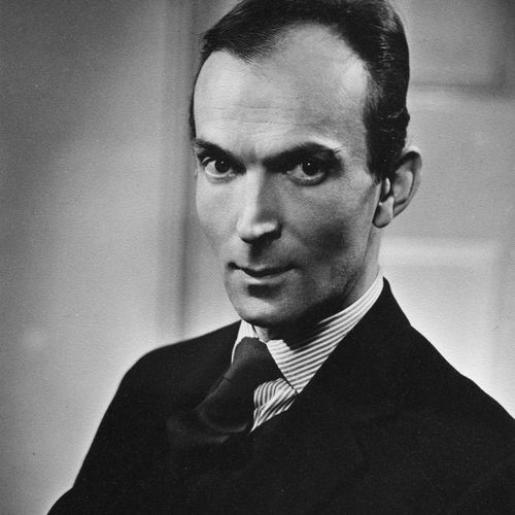
Paul Dukas’ Spotify BioPaul Dukas' music, like his life, straddled the Romantic and modern periods (and encompassed a still wider range of influences), and he remained true to classical structures well into the twentieth century. Born in 1865 to the family of a cultured Parisian banker, he was the second of three children; his mother was the musician in the family, and she died when he was five. He studied the piano without displaying special aptitude in music until he was 14. While convalescing from an illness, he started composing, and from that point on, he gravitated toward music, enrolling at the Paris Conservatoire when he was 16. He studied harmony, piano, conducting, and orchestration, and at 17, he wrote his first two adult compositions, overtures to Goethe's Götz von Berlichingen and Shakespeare's King Lear. He formally studied composition with Ernest Guiraud but left the conservatory in 1888, frustrated over his inability to win any prizes for his early work and being confronted by the military… draft. Following his service in the army, he returned to civilian life as a critic and composer, enjoying his first success in the latter capacity in 1892 with the premiere of his overture Polyeucte. The same year, he began the first of several attempts to compose an opera, but he was to see no success in that genre for years to come; rather, he wrote his two most well-known instrumental works: the Symphony in C (1896) and The Sorcerer's Apprentice (1897). The latter, based on Goethe's "Der Zauberlehrling," became one of the most popular orchestral works of the late Romantic era with its rich coloration, and it was quickly taken into the repertory of conductors around the world. For the next decade, he devoted himself to an opera, Ariane et Barbe-bleue, based on the work of Maurice Maeterlinck, while continuing to write criticism and completing his Sonata for piano in E flat minor (1900). Dukas completed his ballet La Péri in 1912, but his later output was blighted by an increasingly self-critical outlook, which caused him to abandon and destroy many works. Only four pieces from the last 23 years of his life ever saw the light of day. In his final decades, Dukas achieved renown as a teacher and his students included Messiaen and Duruflé. In 1940, five years after his death, Dukas and The Sorcerer's Apprentice became enshrined in American popular culture through the use of the work in the movie Fantasia.
Viberate is a music analytics platform built for A&Rs, artist managers, labels, booking agents, marketers, and artists.
It helps music professionals track artist growth, analyze audience data, monitor playlist activity, compare artists, follow song performance, and identify opportunities across the music market.
Public artist pages provide a free preview of selected artist data. Paid plans provide access to deeper analytics, historical data, charts, comparisons, playlist tools, exports, alerts, reports, and additional professional features.
Yes. Public Viberate artist pages provide selected artist analytics and music data for free.
Viberate also offers a 7-day free trial of the full platform. A credit card is required to start the trial. The trial includes access to the complete product so users can test deeper artist analytics, historical views, playlist insights, comparisons, charts, exports, alerts, and reporting features before choosing a paid plan.
Viberate provides artist analytics across streaming, playlists, social media, video, radio airplay, songs, and audience markets.
Users can analyze Spotify performance, Spotify and Apple Music playlists, YouTube activity, TikTok and Instagram growth, radio spins, song performance, audience locations, demographics, rankings, and overall artist momentum.
Artist profiles also connect to music charts, similar artists, and comparison tools, helping users benchmark performance and evaluate artists in context.
Viberate updates key artist and track data daily.
For followed artists and tracks, selected data is refreshed multiple times per day. This helps teams monitor playlist changes, streaming movement, audience growth, releases, and campaign performance with more current data.
Update frequency can vary depending on the metric and data source.
Yes. Viberate lets users compare up to five artists side by side across streaming, social media, audience, and engagement metrics.
Users can compare fanbase growth, audience demographics, locations, Spotify performance, social metrics, and other artist data over selected time periods.
Artist comparison can be used for A&R scouting, benchmarking, booking decisions, campaign planning, and evaluating artists with similar audiences or market positions.