Igor Markevitch

Classical
Orchestral
Chamber Music
 Viberate Rank: 232955
 Viberate Rank: 232955
 Monthly ListenersFollowers
 Subscribers
 Followers
 Followers
 FansTop Spotify Songs
| Track | 7-Day Streams | |
|---|---|---|
1 | 3.67K | |
2 | 842 | |
3 | 418 | |
4 | 418 | |
5 | 380 |
Top YouTube VideosMonthly ListenersFeatured in Playlists| Playlist | Followers | |
|---|---|---|
1 |  Música clásica para sentirme un villano del siglo XVII JFueyo | 61.76K |
2 | Ignatious Pop 1 | 49.38K |
3 |  Jacob's Optimum Music Feast Jacob Collier | 47.95K |
4 |  True Blood Sountrack Seasons 1 – 7 Carolyn Hall | 32.16K |
5 |  Classical Music For Your Brain classifyapp | 21.43K |
Audience| City | Monthly Listeners | |
|---|---|---|
1 |  | 610 |
2 | | 574 |
3 |  | 419 |
4 |  | 317 |
5 |  | 262 |
See full performance history, audience data, playlist activity, rankings, comparisons, and more in Viberate music analytics. Start with a free trial, then continue with a paid plan.
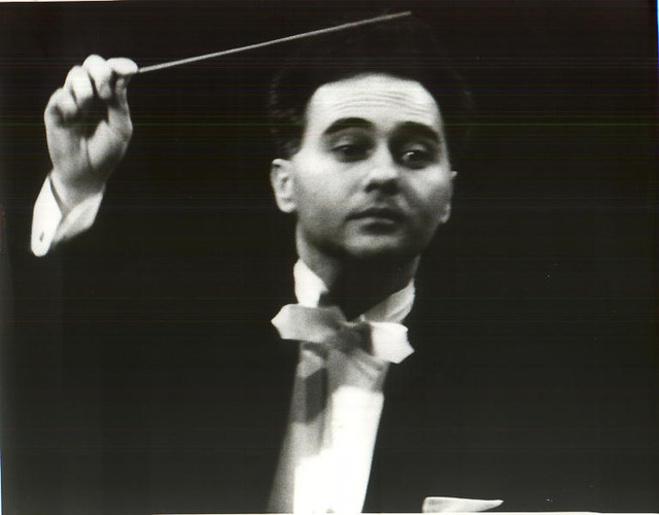
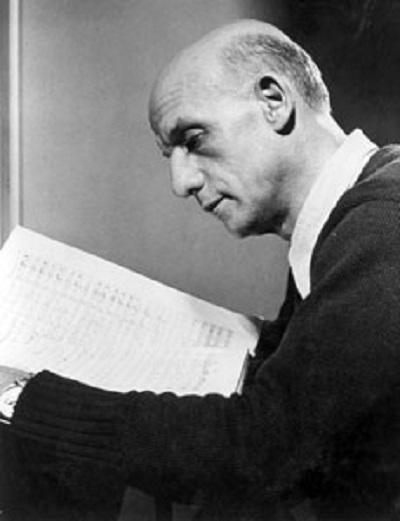
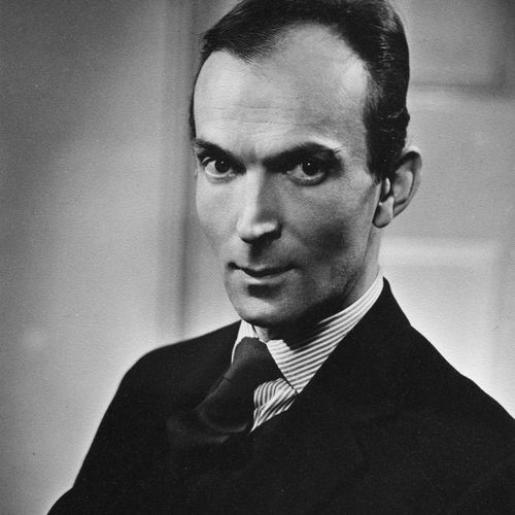
Igor Markevitch’s Spotify BioIgor Markevitch was a leading conductor, known for brilliant performances, especially of twentieth century music. He was also a composer who attracted some interest in his own day. His parents left Kiev when he was two years old. Markevitch was brought up in Vevey, Switzerland. He took piano lessons from his father and then with Paul Loyonnet and also started to compose. The pianist Alfred Cortot saw some of his piano compositions and recommended that the boy study in Paris. In 1925 he enrolled in Cortot's piano class at the École Normale de Musique. He studied harmony, counterpoint, and composition with Nadia Boulanger. The ballet impresario Serge Diaghilev commissioned him to write a piano concerto and a ballet. The concerto premiered in London in 1929, but Diaghilev's death in August of that year caused Markevitch to stop work on the ballet, instead recycling materials from it into a cantata, premiered with great success in Paris on June 4, 1930. Later that year, another new work, a… Concerto Grosso, received even greater acclaim. The ballet, Rébus, was first staged in December 1931, and was hailed as a great composition. The next ballet, L'envol d'Icare (June 1933), was once again highly praised. But after this Markevitch began to receive criticism for his use of unrelieved dissonance and his novel use of instruments.
Meanwhile, Markevitch had begun to conduct, debuting on the podium with the Amsterdam Concertgebouw Orchestra in 1930. He studied conducting with Hermann Scherchen in 1935. His composing activities dropped off as he increased his conducting. He spent World War II in Italy, having acquired Italian citizenship. In 1944 he was appointed music director of the Maggio Musicale Orchestra in Florence. He began conducting full time, coming into demand as a guest conductor, and held a variety of directorships or principal conducting appointments with the Stockholm Symphony Orchestra (1952-1955), the Montreal Symphony Orchestra (1956-1960), the Havana Philharmonic Orchestra (1957-1958), the Concerts Lamoureux of Paris (1957-1961), the Spanish Radio and Television Orchestra (1965-1969), the Monte Carlo Orchestra (1967), and the orchestra of the Accademia di Santa Cecilia in Rome (1967-1972). His American debut was with the Boston Symphony Orchestra in 1955. He also began giving conducting master classes, especially in Monte Carlo, from 1969.
He was known for his performance of the Russian repertory and twentieth century music. He had a quick temper, reflected in his music in sharp emotional shifts, yet the music was meticulously prepared and nearly always followed the composer's directions with exceptional care. In the late '90s, his recordings came back into demand in re-release, and even his compositions were finding a small but interested market and were praised anew for their originality.
Viberate is a music analytics platform built for A&Rs, artist managers, labels, booking agents, marketers, and artists.
It helps music professionals track artist growth, analyze audience data, monitor playlist activity, compare artists, follow song performance, and identify opportunities across the music market.
Public artist pages provide a free preview of selected artist data. Paid plans provide access to deeper analytics, historical data, charts, comparisons, playlist tools, exports, alerts, reports, and additional professional features.
Yes. Public Viberate artist pages provide selected artist analytics and music data for free.
Viberate also offers a 7-day free trial of the full platform. A credit card is required to start the trial. The trial includes access to the complete product so users can test deeper artist analytics, historical views, playlist insights, comparisons, charts, exports, alerts, and reporting features before choosing a paid plan.
Viberate provides artist analytics across streaming, playlists, social media, video, radio airplay, songs, and audience markets.
Users can analyze Spotify performance, Spotify and Apple Music playlists, YouTube activity, TikTok and Instagram growth, radio spins, song performance, audience locations, demographics, rankings, and overall artist momentum.
Artist profiles also connect to music charts, similar artists, and comparison tools, helping users benchmark performance and evaluate artists in context.
Viberate updates key artist and track data daily.
For followed artists and tracks, selected data is refreshed multiple times per day. This helps teams monitor playlist changes, streaming movement, audience growth, releases, and campaign performance with more current data.
Update frequency can vary depending on the metric and data source.
Yes. Viberate lets users compare up to five artists side by side across streaming, social media, audience, and engagement metrics.
Users can compare fanbase growth, audience demographics, locations, Spotify performance, social metrics, and other artist data over selected time periods.
Artist comparison can be used for A&R scouting, benchmarking, booking decisions, campaign planning, and evaluating artists with similar audiences or market positions.