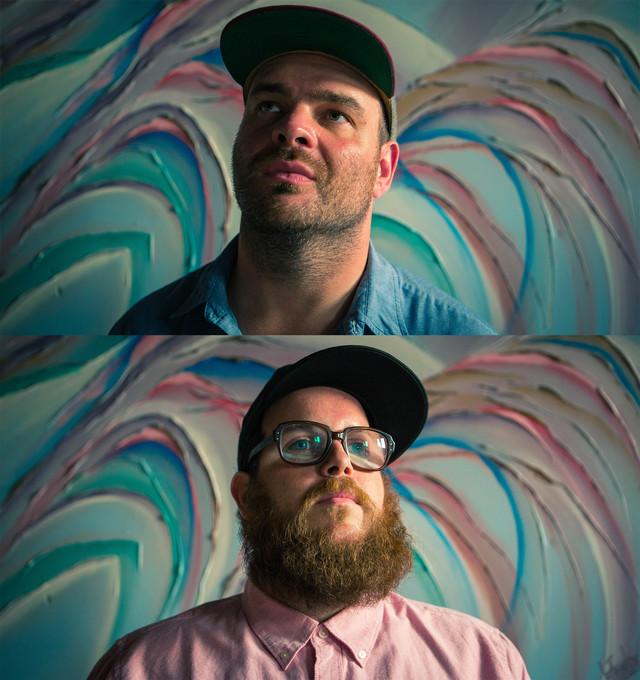
Pattern Is Movement

Rock
Indie Rock
Math Rock
 Viberate Rank: 476366
 Viberate Rank: 476366
 Monthly ListenersFollowers
 Subscribers
 Followers
 Followers
 FansTop Spotify Songs
| Track | 7-Day Streams | |
|---|---|---|
1 | 13 | |
2 | 10 | |
3 | 8 | |
4 | 8 | |
5 | 8 |
Top YouTube VideosMonthly ListenersFeatured in Playlists| Playlist | Followers | |
|---|---|---|
1 | Jazz Fusion, Progressive Rock, & Jam Bands Curator Seedpicker | 7.16K |
2 |  BIRP! 2009 - 2019 BIRP! | 2.20K |
3 | Philly Favorites Hop Along | 1.56K |
4 | NPR World Cafe osumols | 1.31K |
5 | BIRP! Indie 2017: Collected (2012 - Now) [by BIRP.FM] Kristof De Beuf | 1.30K |
Audience| City | Monthly Listeners | |
|---|---|---|
1 | | 8 |
2 | | 8 |
3 | | 5 |
4 |  | 4 |
5 | | 4 |
See full performance history, audience data, playlist activity, rankings, comparisons, and more in Viberate music analytics. Start with a free trial, then continue with a paid plan.
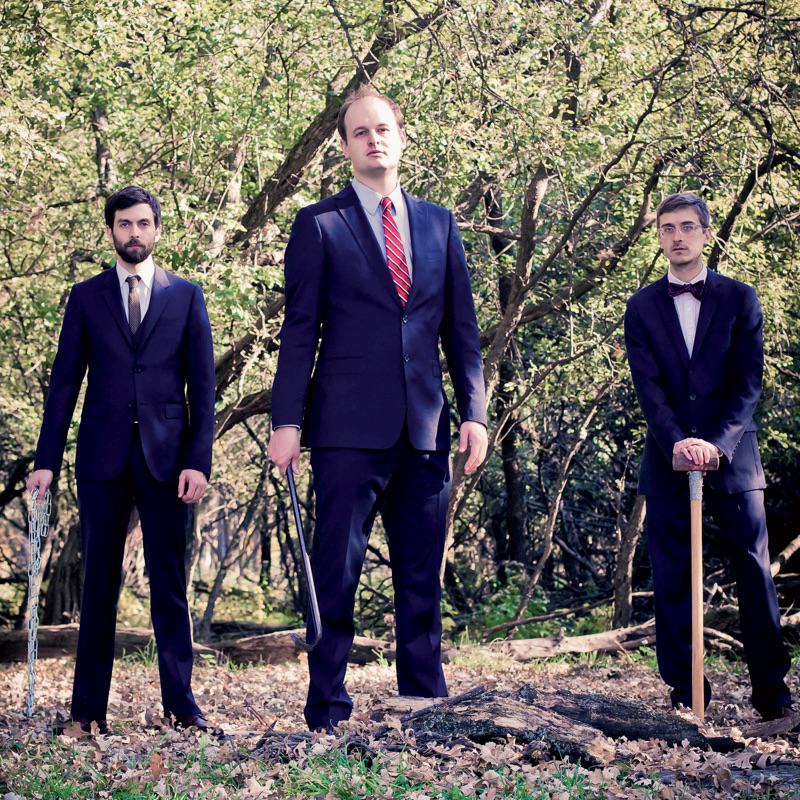
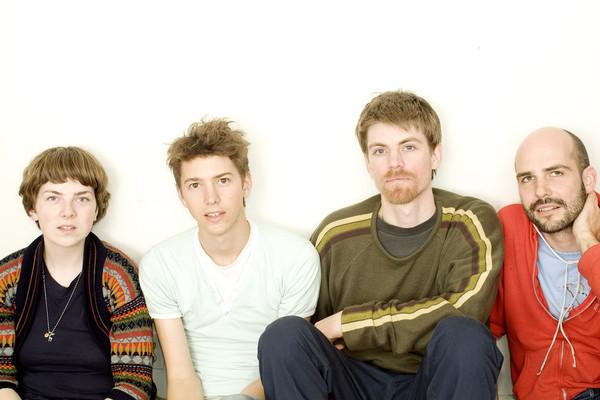
Pattern Is Movement’s Spotify BioExploratory indie rockers Pattern Is Movement were formed in Philadelphia by multi-instrumentalists Andrew Thiboldeaux and Christopher Ward in 2001. Originally joined by fellow musicians Daniel McClain, Wade Hampton, and Corey Duncan, early output from the band tended toward angular math rock. This heavy approach resulted in the first few albums from the band, 2004's The (Im)possibility of Longing and 2005's Stowaway. Producer Scott Solter worked independently on a remix of Stowaway that was eventually released as 2006's Scott Solter Plays Pattern Is Movement: Canonic.
By the release of 2008's All Together, the band had pared down its membership to just the founding duo of Thiboldeaux playing a variety of keys and synths and Ward playing drums. This membership change came at the same time as a massive change in direction for the group, tending away from cerebral rock and moving in a more stylized direction in line with the layered harmonies and neo-soul influences of Dirty Projectors or… Grizzly Bear. The band embarked on a series of tours, supporting acts as diverse as the Roots and St. Vincent. Their self-titled fourth album took years of recording and editing to complete, seeing the light of day in the spring of 2014. ~ Fred Thomas, Rovi
Viberate is a music analytics platform built for A&Rs, artist managers, labels, booking agents, marketers, and artists.
It helps music professionals track artist growth, analyze audience data, monitor playlist activity, compare artists, follow song performance, and identify opportunities across the music market.
Public artist pages provide a free preview of selected artist data. Paid plans provide access to deeper analytics, historical data, charts, comparisons, playlist tools, exports, alerts, reports, and additional professional features.
Yes. Public Viberate artist pages provide selected artist analytics and music data for free.
Viberate also offers a 7-day free trial of the full platform. A credit card is required to start the trial. The trial includes access to the complete product so users can test deeper artist analytics, historical views, playlist insights, comparisons, charts, exports, alerts, and reporting features before choosing a paid plan.
Viberate provides artist analytics across streaming, playlists, social media, video, radio airplay, songs, and audience markets.
Users can analyze Spotify performance, Spotify and Apple Music playlists, YouTube activity, TikTok and Instagram growth, radio spins, song performance, audience locations, demographics, rankings, and overall artist momentum.
Artist profiles also connect to music charts, similar artists, and comparison tools, helping users benchmark performance and evaluate artists in context.
Viberate updates key artist and track data daily.
For followed artists and tracks, selected data is refreshed multiple times per day. This helps teams monitor playlist changes, streaming movement, audience growth, releases, and campaign performance with more current data.
Update frequency can vary depending on the metric and data source.
Yes. Viberate lets users compare up to five artists side by side across streaming, social media, audience, and engagement metrics.
Users can compare fanbase growth, audience demographics, locations, Spotify performance, social metrics, and other artist data over selected time periods.
Artist comparison can be used for A&R scouting, benchmarking, booking decisions, campaign planning, and evaluating artists with similar audiences or market positions.