Icy Demons

Pop
Indie Pop
 Viberate Rank: 677467
 Viberate Rank: 677467
 Monthly ListenersFollowers
 Subscribers
 Followers
 Followers
 FansTop Spotify Songs
| Track | 7-Day Streams | |
|---|---|---|
1 | 30 | |
2 | 12 | |
3 | 11 | |
4 | 9 | |
5 | 7 |
Top YouTube VideosMonthly ListenersFeatured in Playlists| Playlist | Followers | |
|---|---|---|
1 | Unofficial Reverb Radio Jeff Ferruzzo | 21.82K |
2 |  2000s Alternative Rock & Indie: Hits & Deep Cuts Carefully Curated. | 3.00K |
3 |  Archive's Playlist Balenciaga | 2.07K |
Audience| City | Monthly Listeners | |
|---|---|---|
1 | | 7 |
2 | | 5 |
3 | | 5 |
4 | | 4 |
5 | | 3 |
See full performance history, audience data, playlist activity, rankings, comparisons, and more in Viberate music analytics. Start with a free trial, then continue with a paid plan.
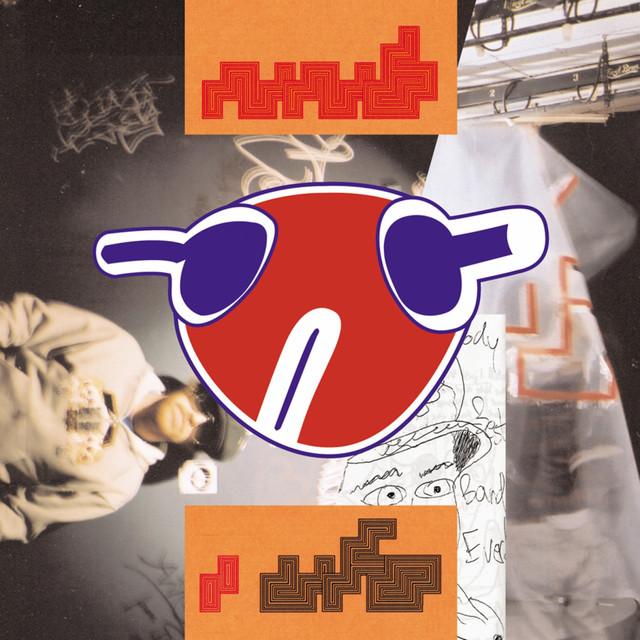
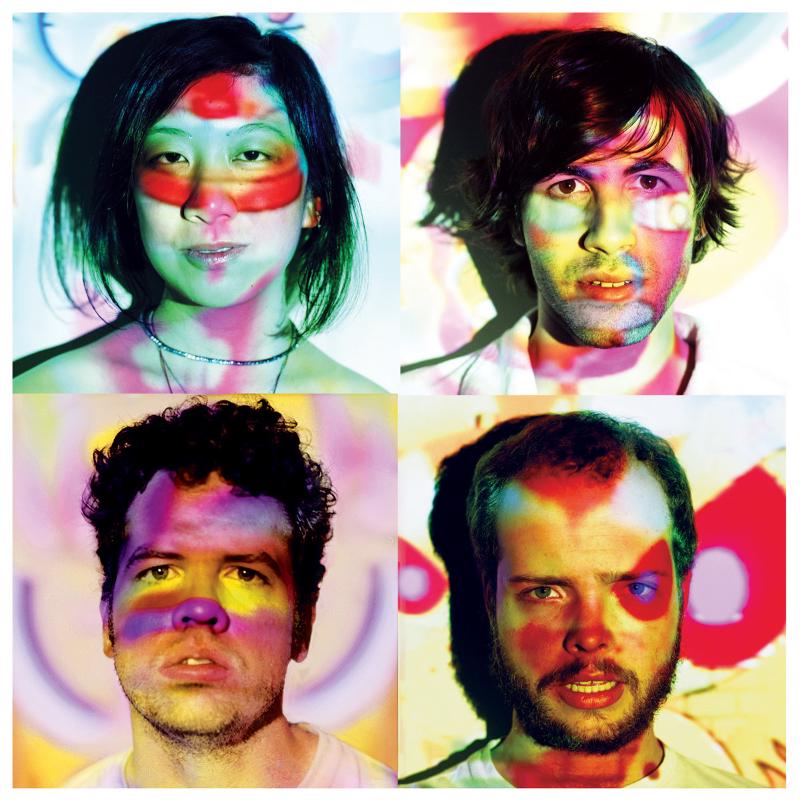
Icy Demons’ Spotify BioStarted by Bablicon's Griffin Rodriguez (aka Blue Hawaii) and Man Man's Christopher Powell (aka Pow Pow), Icy Demons are a genre-spanning hypno-rhythmic indie project borrowing heavily from electro, Krautrock, and prog rock, specifically its Canterbury subgenre. Rodriguez takes bass and vocal duties while Powell drums, and the two act as the primary ringleaders of the band, roping in a rotating circus of musicians from their home cities of Philadelphia and Chicago. Upon initiation into the group, members adopt aliases like Graveyard P, Young Master Schneider, Ta-Freek-Ya, and the Diminisher. Cloud Recordings, a label with close ties to Elephant 6, another collective-friendly band of brothers, took a liking to Icy Demons' first record and released Fight Back! in 2004. Between touring with their respective groups and recording albums for other musicians at Rodriguez's Shape Shoppe studio, Rodriguez and Powell found time to piece together their second Icy Demons album, Tears of a Clone,… in 2006, which was released by Eastern Developments. To add to their musical endeavors and house their creative output, the two started a record label called Obey Your Brain, and released Miami Ice in April of 2007. Plans followed to play live shows as a touring band with guitarist Russell Higbee of Man Man, guitarist Jeff Parker of Tortoise, upright bassist Josh Abrams of Prefuse 73 and Sam Prekop, and atmospheric improviser and cellist Tomeka Reid, in support of Slint and Arcade Fire, and as a main stage act at the 2008 Pitchfork Music Festival. Miami Ice was reissued that summer. ~ Jason Lymangrover, Rovi
Viberate is a music analytics platform built for A&Rs, artist managers, labels, booking agents, marketers, and artists.
It helps music professionals track artist growth, analyze audience data, monitor playlist activity, compare artists, follow song performance, and identify opportunities across the music market.
Public artist pages provide a free preview of selected artist data. Paid plans provide access to deeper analytics, historical data, charts, comparisons, playlist tools, exports, alerts, reports, and additional professional features.
Yes. Public Viberate artist pages provide selected artist analytics and music data for free.
Viberate also offers a 7-day free trial of the full platform. A credit card is required to start the trial. The trial includes access to the complete product so users can test deeper artist analytics, historical views, playlist insights, comparisons, charts, exports, alerts, and reporting features before choosing a paid plan.
Viberate provides artist analytics across streaming, playlists, social media, video, radio airplay, songs, and audience markets.
Users can analyze Spotify performance, Spotify and Apple Music playlists, YouTube activity, TikTok and Instagram growth, radio spins, song performance, audience locations, demographics, rankings, and overall artist momentum.
Artist profiles also connect to music charts, similar artists, and comparison tools, helping users benchmark performance and evaluate artists in context.
Viberate updates key artist and track data daily.
For followed artists and tracks, selected data is refreshed multiple times per day. This helps teams monitor playlist changes, streaming movement, audience growth, releases, and campaign performance with more current data.
Update frequency can vary depending on the metric and data source.
Yes. Viberate lets users compare up to five artists side by side across streaming, social media, audience, and engagement metrics.
Users can compare fanbase growth, audience demographics, locations, Spotify performance, social metrics, and other artist data over selected time periods.
Artist comparison can be used for A&R scouting, benchmarking, booking decisions, campaign planning, and evaluating artists with similar audiences or market positions.