Deleted Scenes

Pop
Indie Pop
Alternative Rock
 Viberate Rank: 492451
 Viberate Rank: 492451
 Monthly ListenersFollowers
 Subscribers
 Followers
 Followers
 FansTop Spotify Songs
| Track | 7-Day Streams | |
|---|---|---|
1 | 16 | |
2 | 16 | |
3 | 13 | |
4 | 9 | |
5 | 7 |
Top YouTube VideosMonthly ListenersFeatured in Playlists| Playlist | Followers | |
|---|---|---|
1 |  NPR All Songs Considered - The Bob Boilen years (unofficial) Fri Tsch | 30.02K |
2 |  The Sound of Shimmer Pop The Sounds of Spotify | 4.25K |
3 |  The Best Songs That I Know Of Dan Mangan | 2.36K |
4 |  BIRP! 2009 - 2019 BIRP! | 2.20K |
5 |  All Songs Considered 24/7 NPR Music | 1.71K |
Audience| City | Monthly Listeners | |
|---|---|---|
1 | | 5 |
2 | | 4 |
3 | | 4 |
4 |  | 4 |
5 |  | 3 |
See full performance history, audience data, playlist activity, rankings, comparisons, and more in Viberate music analytics. Start with a free trial, then continue with a paid plan.
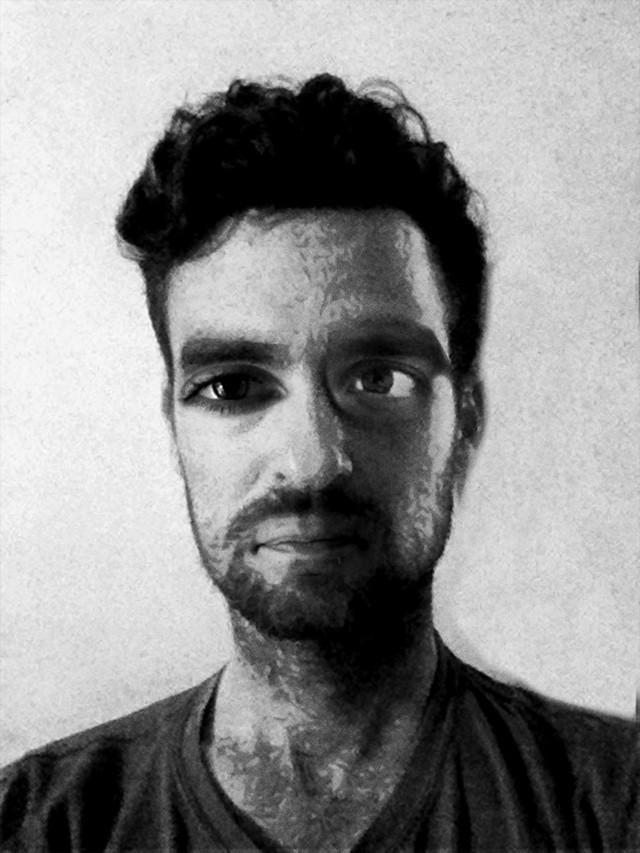
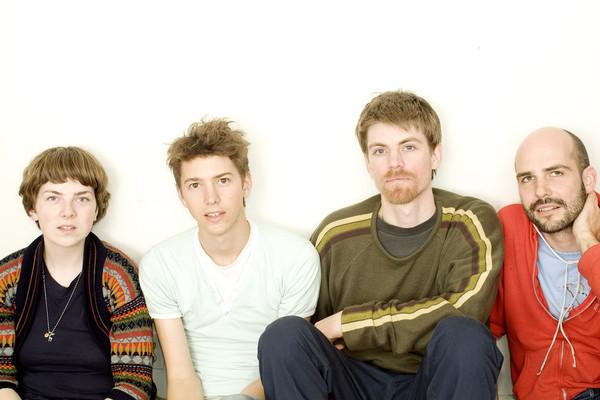
Deleted Scenes’ Spotify BioWith influences spanning punk, post-rock, and Americana, Deleted Scenes is one of the more eclectic bands to come from Washington, D.C. The group formed in 2005 when longtime friends vocalist/guitarist Dan Scheuerman, guitarist/keyboardist Dominic Campanaro, and bassist/guitarist/vocalist Matt Dowling continued playing together after the breakup of their previous band, Fell Off the Face of the Earth. Scheuerman grew up singing and playing music with his family, including his older brother Vince (of the band Army of Me), who helped Scheuerman learn the basics of being in a band. Together with founding drummer Brian Hospital, Dowling, Campanaro, and Scheuerman released Deleted Scenes' debut EP in 2007. Their first full-length, 2009's Birdseed Shirt, was produced by L. Skell and engineered by J. Robbins. The band reunited with Skell and collaborated with the Spinto Band's Nick Krill for Young People's Church of the Air, a more experimental set inspired by '80s pop, R&B, and surf rock that… Sockets Records released in 2011 and Park the Van reissued the following year. In 2012, Deleted Scenes added new drummer Ricardo Lagomasino to the fold and adopted a more egalitarian creative approach, with Dowling and Campanaro as well as Scheuerman contributing songs. Early in 2013, the band began work with producers Brian McTear and Jon Low on Lithium Burn, a set of direct, personal songs named for the acid reflux Scheuerman experienced while taking the mood stabilizer. The album arrived in April 2013. ~ Heather Phares, Rovi
Viberate is a music analytics platform built for A&Rs, artist managers, labels, booking agents, marketers, and artists.
It helps music professionals track artist growth, analyze audience data, monitor playlist activity, compare artists, follow song performance, and identify opportunities across the music market.
Public artist pages provide a free preview of selected artist data. Paid plans provide access to deeper analytics, historical data, charts, comparisons, playlist tools, exports, alerts, reports, and additional professional features.
Yes. Public Viberate artist pages provide selected artist analytics and music data for free.
Viberate also offers a 7-day free trial of the full platform. A credit card is required to start the trial. The trial includes access to the complete product so users can test deeper artist analytics, historical views, playlist insights, comparisons, charts, exports, alerts, and reporting features before choosing a paid plan.
Viberate provides artist analytics across streaming, playlists, social media, video, radio airplay, songs, and audience markets.
Users can analyze Spotify performance, Spotify and Apple Music playlists, YouTube activity, TikTok and Instagram growth, radio spins, song performance, audience locations, demographics, rankings, and overall artist momentum.
Artist profiles also connect to music charts, similar artists, and comparison tools, helping users benchmark performance and evaluate artists in context.
Viberate updates key artist and track data daily.
For followed artists and tracks, selected data is refreshed multiple times per day. This helps teams monitor playlist changes, streaming movement, audience growth, releases, and campaign performance with more current data.
Update frequency can vary depending on the metric and data source.
Yes. Viberate lets users compare up to five artists side by side across streaming, social media, audience, and engagement metrics.
Users can compare fanbase growth, audience demographics, locations, Spotify performance, social metrics, and other artist data over selected time periods.
Artist comparison can be used for A&R scouting, benchmarking, booking decisions, campaign planning, and evaluating artists with similar audiences or market positions.