Patrick Sky

Country
Americana/Alt Country
Folk
 Viberate Rank: 380968
 Viberate Rank: 380968
 Monthly ListenersFollowers
 Subscribers
 Followers
 Followers
 FansTop Spotify Songs
| Track | 7-Day Streams | |
|---|---|---|
1 | 450 | |
2 | 172 | |
3 | 64 | |
4 | 57 | |
5 | 48 |
Top YouTube VideosMonthly ListenersFeatured in Playlists| Playlist | Followers | |
|---|---|---|
1 |  Western AF ( Official Playlist ) Western AF | 15.21K |
2 |  Anti-Fascist Songs johnnywildcat22 | 9.02K |
3 |  Murder-Suicide Ballads exterminans83 | 2.92K |
4 | anarchist and socialist folk songs Albert Jansson | 2.44K |
5 | 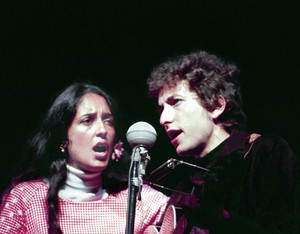 Newport Folk Festival 1963-1965 jonas anderson navarro | 2.08K |
Audience| City | Monthly Listeners | |
|---|---|---|
1 | | 53 |
2 | | 42 |
3 | | 34 |
4 | | 33 |
5 |  | 30 |
See full performance history, audience data, playlist activity, rankings, comparisons, and more in Viberate music analytics. Start with a free trial, then continue with a paid plan.
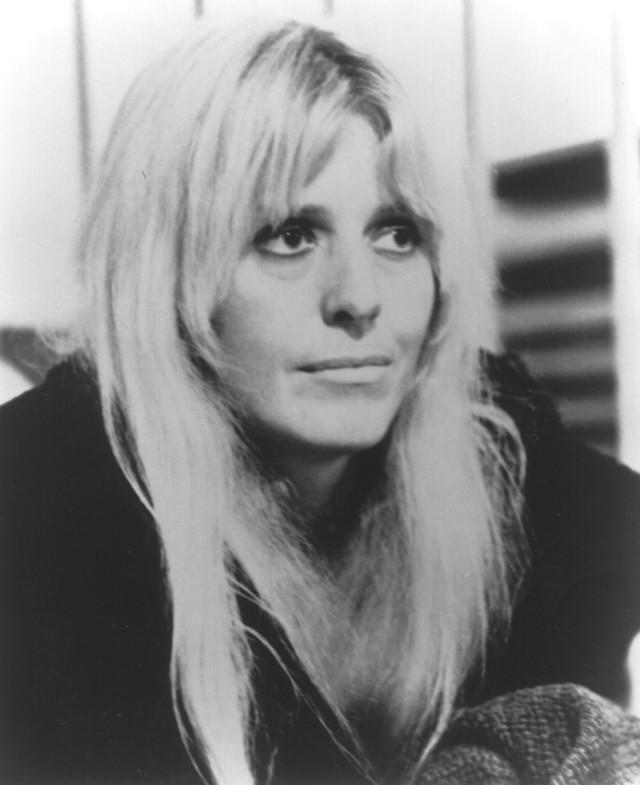
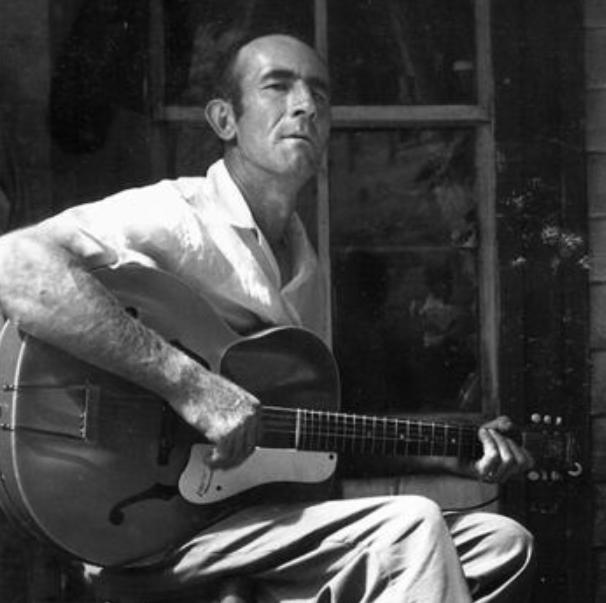
Patrick Sky’s Spotify BioPatrick Sky was born on October 2, 1940. Sky was the lone Southerner in the Greenwich Village folk music revival of the late 1950s and the 1960s. He was an enigmatic performer and a master of many traditional instruments. Born in Liveoak Gardens, Georgia. Even as a kid, Sky was musically inclined and learned to play guitar, banjo, and harmonica. He was always influenced by his Creek Indian and Irish. Sky’s self-titled debut, released in 1965, included several original tunes such as “Many a Mile".
In his music, Sky was equally influenced by the satirical writing of Will Rogers and the topical songs of Woody Guthrie. Beginning with his recordings of the late ’60s, Sky’s songs became increasingly political and outspoken. His most confrontational album, “Songs That Made America Famous,” was rejected by several record labels before being released on Adelphi Records two years later. Disgruntled by a music industry that had fleeced him repeatedly, Patrick Sky stopped recording and performing… for a time. But his passion did not diminish, and Sky continuously expanded his repertoire of musical instruments. He became known as a builder of the Irish uilleann pipes.
More recently, Sky began playing and performing with his wife Cathy. In 2009 the duo released “Down to Us,” an album of traditional Irish music featuring Pat on uilleann pipes and Cathy on fiddle. Sky passed away from Parkinson’s disease, prostate cancer, and bone cancer in May 2021.
Viberate is a music analytics platform built for A&Rs, artist managers, labels, booking agents, marketers, and artists.
It helps music professionals track artist growth, analyze audience data, monitor playlist activity, compare artists, follow song performance, and identify opportunities across the music market.
Public artist pages provide a free preview of selected artist data. Paid plans provide access to deeper analytics, historical data, charts, comparisons, playlist tools, exports, alerts, reports, and additional professional features.
Yes. Public Viberate artist pages provide selected artist analytics and music data for free.
Viberate also offers a 7-day free trial of the full platform. A credit card is required to start the trial. The trial includes access to the complete product so users can test deeper artist analytics, historical views, playlist insights, comparisons, charts, exports, alerts, and reporting features before choosing a paid plan.
Viberate provides artist analytics across streaming, playlists, social media, video, radio airplay, songs, and audience markets.
Users can analyze Spotify performance, Spotify and Apple Music playlists, YouTube activity, TikTok and Instagram growth, radio spins, song performance, audience locations, demographics, rankings, and overall artist momentum.
Artist profiles also connect to music charts, similar artists, and comparison tools, helping users benchmark performance and evaluate artists in context.
Viberate updates key artist and track data daily.
For followed artists and tracks, selected data is refreshed multiple times per day. This helps teams monitor playlist changes, streaming movement, audience growth, releases, and campaign performance with more current data.
Update frequency can vary depending on the metric and data source.
Yes. Viberate lets users compare up to five artists side by side across streaming, social media, audience, and engagement metrics.
Users can compare fanbase growth, audience demographics, locations, Spotify performance, social metrics, and other artist data over selected time periods.
Artist comparison can be used for A&R scouting, benchmarking, booking decisions, campaign planning, and evaluating artists with similar audiences or market positions.