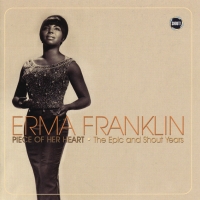
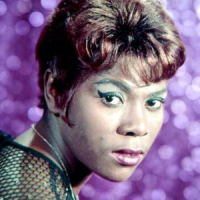
P. P. Arnold

R&B
Soul
 Viberate Rank: 119402
 Viberate Rank: 119402
 Monthly ListenersFollowers
 Subscribers
 Followers
 Followers
 FansTop Spotify Songs
| Track | 7-Day Streams | |
|---|---|---|
1 | 15.07K | |
2 | 8.34K | |
3 | 2.56K | |
4 | 1.86K | |
5 | 1.83K |
Top YouTube VideosMonthly ListenersFeatured in Playlists| Playlist | Followers | |
|---|---|---|
1 | Bee Gees Greatest Hits Anthony | 282.26K |
2 |  Bee Gees Songbook Spotify | 263.60K |
3 |  Bee Gees Greatest Hits DJ Dijk | 120.12K |
4 | probably the best indie playlist ever Jason Williams | 61.78K |
5 | OLDIES Bre Rutledge | 39.72K |
Audience| City | Monthly Listeners | |
|---|---|---|
1 |  | 2.73K |
2 | | 1.17K |
3 |  | 945 |
4 | | 902 |
5 |  | 687 |
See full performance history, audience data, playlist activity, rankings, comparisons, and more in Viberate music analytics. Start with a free trial, then continue with a paid plan.
P. P. Arnold’s Spotify BioWhen PP Arnold arrived in London on September 23, 1966 to support The Rolling Stones as one of Ike & Tina Turner’s backing singers, The Ikettes, little did she know that her world was about to be turned upside down. Within a few months, PP was at Number 18 in the UK charts with her first single, ‘The First Cut Is The Deepest’, written by Cat Stevens – ultimately leading to a five-decade career working with everyone from Jagger, the Small Faces, Rod Stewart, Barry Gibb and Eric Clapton, to Nick Drake, Peter Gabriel, Roger Waters, Paul Weller, Ocean Colour Scene and Primal Scream, to name a few.
“I’ve been a fan of PP ever since hearing ‘The First Cut’, and then ‘Tin Soldier’. Her voice is still as great as it was when she was 18/19 years old! Steve Cradock has tried to keep something of the early Immediate Records sound on this new record, whilst still sounding fresh, and it is for me one of the finest in her collection” – Paul Weller
Five decades after she became a ’60s icon, P.P. Arnold… is set to release a double-album of stunning new material featuring contributions from Paul Weller, Ocean Colour Scene’s Steve Cradock and The Specials Titled ‘The New Adventures Of… P.P. Arnold’ and released via earMUSIC on August 9th, (CD, Double LP Vinyl, Digital Download/Stream) the album crowns an extraordinary career.
"For me it’s all about faith and love, be ready and don’t give up the fight. That’s the message.”
For a full biography, discography and more go to: www.pparnold.com
Viberate is a music analytics platform built for A&Rs, artist managers, labels, booking agents, marketers, and artists.
It helps music professionals track artist growth, analyze audience data, monitor playlist activity, compare artists, follow song performance, and identify opportunities across the music market.
Public artist pages provide a free preview of selected artist data. Paid plans provide access to deeper analytics, historical data, charts, comparisons, playlist tools, exports, alerts, reports, and additional professional features.
Yes. Public Viberate artist pages provide selected artist analytics and music data for free.
Viberate also offers a 7-day free trial of the full platform. A credit card is required to start the trial. The trial includes access to the complete product so users can test deeper artist analytics, historical views, playlist insights, comparisons, charts, exports, alerts, and reporting features before choosing a paid plan.
Viberate provides artist analytics across streaming, playlists, social media, video, radio airplay, songs, and audience markets.
Users can analyze Spotify performance, Spotify and Apple Music playlists, YouTube activity, TikTok and Instagram growth, radio spins, song performance, audience locations, demographics, rankings, and overall artist momentum.
Artist profiles also connect to music charts, similar artists, and comparison tools, helping users benchmark performance and evaluate artists in context.
Viberate updates key artist and track data daily.
For followed artists and tracks, selected data is refreshed multiple times per day. This helps teams monitor playlist changes, streaming movement, audience growth, releases, and campaign performance with more current data.
Update frequency can vary depending on the metric and data source.
Yes. Viberate lets users compare up to five artists side by side across streaming, social media, audience, and engagement metrics.
Users can compare fanbase growth, audience demographics, locations, Spotify performance, social metrics, and other artist data over selected time periods.
Artist comparison can be used for A&R scouting, benchmarking, booking decisions, campaign planning, and evaluating artists with similar audiences or market positions.