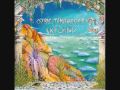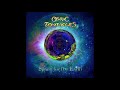
Ozric Tentacles

Rock
Progressive Rock
Space Rock
 Viberate Rank: 59585
 Viberate Rank: 59585
 Monthly ListenersFollowers
 Subscribers
 Followers
 Followers
 FansTop Spotify Songs
| Track | 7-Day Streams | |
|---|---|---|
1 | 3.23K | |
2 | 3.16K | |
3 | 3.06K | |
4 | 2.77K | |
5 | 2.52K |
Top YouTube VideosMonthly ListenersFeatured in Playlists| Playlist | Followers | |
|---|---|---|
1 | 5.1+ Surround Sound Audio Test Sven Kruse | 12.18K |
2 | Psybient ~♡~ Harry Gregg | 9.54K |
3 |  Psychill - Downtempo - Psybient - Ambient Rohin Arora | 8.60K |
4 |  Concentrate At Work sebvandenbrink | 8.45K |
5 | Jazz Fusion, Progressive Rock, & Jam Bands Curator Seedpicker | 7.16K |
Audience| City | Monthly Listeners | |
|---|---|---|
1 | | 1.29K |
2 |  | 759 |
3 | | 571 |
4 |  | 355 |
5 | | 349 |
See full performance history, audience data, playlist activity, rankings, comparisons, and more in Viberate music analytics. Start with a free trial, then continue with a paid plan.
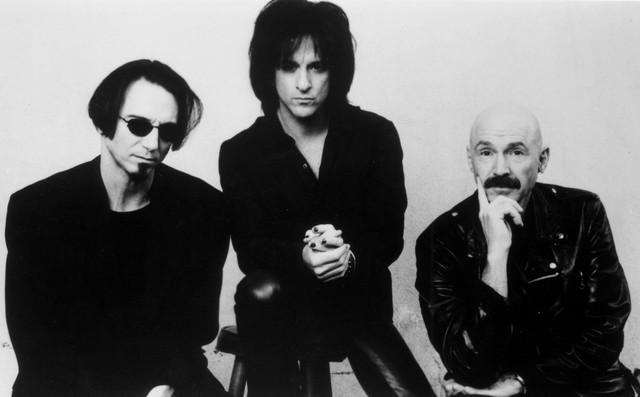
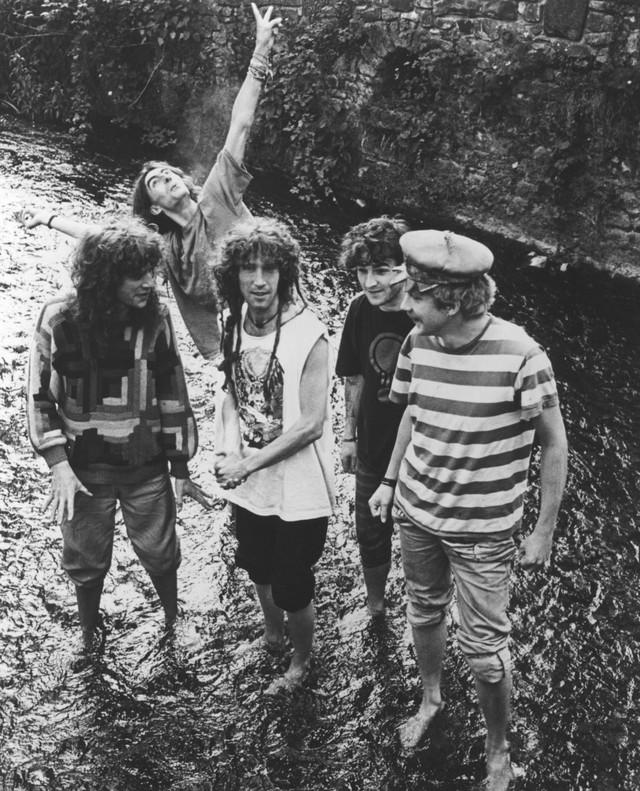
Ozric Tentacles’ Spotify BioA band from another time, Ozric Tentacles served as the bridge from '70s cosmic rock to the organic dance and festival culture that came back into fashion during the '90s. Formed in 1983 with a debt to jazz fusion as well as space rock, the band originally included guitarist Ed Wynne, drummer Nick Van Gelder, keyboard player Joie Hinton, bassist Roly Wynne (Ed's brother), and second guitarist Gavin Griffiths (who left the group in 1984). The Ozrics played in clubs around London, releasing six cassette-only albums beginning with 1984's Erpsongs. (All six were later collected on the Vitamin Enhanced box set, despite a threatened lawsuit from the Kellogg's cereal company for questionable artwork.) In 1987, Merv Pepler replaced Van Gelder, while synthesizer player Steve Everett was added.
Ozric Tentacles' first major release, the 1990 album Erpland, foreshadowed the crusty movement, the British parallel to America's hippie movement of the '60s. Crusties borrowed the hippies' organic dress… plus the cosmic thinking of new agers, and spent most of their time traveling around England to various festivals and outdoor gatherings. The movement fit in perfectly with bands like Ozric Tentacles and the Levellers, and the Ozric's 1991 album Strangeitude became the band's biggest seller yet, occasioning a U.S. contract with Capitol. After the British-only Afterswish and Live Underslunky, 1993's Jurassic Shift -- featuring flutist John Egan, who would become known for his on-stage trance-dancing during the group's live performances, and new bassist Zia Geelani in addition to original bassist Roly Wynne, who departed the band in 1992 -- hit number 11 on the British charts, quite a feat for a self-produced album released on the Ozric's own Dovetail label. The album was released in America by IRS Records, as was 1994's Arborescence. Neither translated well with American audiences -- despite the band's first U.S. tour in 1994 -- and Hinton and Pepler left the group that year to devote their energies to their dance side project, Eat Static, releasing several albums on Planet Dog Records.
Ozric Tentacles returned to their Dovetail label for 1995's Become the Other, featuring new members Rad and Seaweed, who also appeared on 1997's Curious Corn. Ed Wynne's brother Roly, whose later life was plagued with difficulties, died by suicide in 1999, a tragic development for the Wynne and Ozric families. However, the band forged ahead, closing out the decade with the release of Waterfall Cities that year, and during the summer of 2000, the Ozrics resurfaced with Swirly Termination. The band also released Hidden Step in 2000, followed by the EP Pyramidion in 2002. Live at the Pongmasters Ball arrived in 2002 as well, their first venture to be released on both CD and DVD.
By 2004's Spirals in Hyperspace, Ozric Tentacles were largely guided by sole original member Ed Wynne, who was responsible for guitar, keyboards, and beat programming on the studio effort, which nevertheless included appearances from previous Ozrics contributors Zia, Seaweed, John Egan, and Merv Pepler, plus drummer Schoo (who had replaced Rad after the former's departure following a 2000 U.S. tour), Ed Wynne's wife Brandi Wynne on bass, and even space rock/electronica guitar legend Steve Hillage. Released in 2006, The Floor's Too Far Away continued the trend of Ed Wynne's domination of the band. A live appearance from June 2007 was documented on 2008's Sunrise Festival disc, and 2009 saw the release of a new studio album, The Yumyum Tree. Inspired by Lewis Carroll, the latter album featured, in addition to Ed Wynne in the leadership role, Brandi Wynne on keyboards along with bassist Vinny Shillito and drummer Roy Brosh. Yet another permutation of the latter-day Ozrics was a true Wynne family affair, with Ed joined by his son -- and the late Roly's nephew -- Silas on synths, with wife Brandi back on bass (replacing Shillito), and Ollie Seagle on drums. Following the release of 2011's Paper Monkeys, the Wynnes' Colorado home and studio were destroyed by wildfires while the band was away on tour. The fires resulted in the loss of various archival material, instruments, equipment, and other valuables. Rebuilding and returning with a revitalized approach, Ozrics delivered the double album Technicians of the Sacred, in 2016, a release which many fans saw as a creative return to form. The band went on a temporary hiatus in the three years that followed, with Ed Wynne focusing on Nodens Ictus, an electronic side project in collaboration with Hinton. Wynne returned to working on Ozrics material in 2019, emerging with their 16th studio album, Space for the Earth, in 2020. ~ John Bush & Dave Lynch, Rovi
Viberate is a music analytics platform built for A&Rs, artist managers, labels, booking agents, marketers, and artists.
It helps music professionals track artist growth, analyze audience data, monitor playlist activity, compare artists, follow song performance, and identify opportunities across the music market.
Public artist pages provide a free preview of selected artist data. Paid plans provide access to deeper analytics, historical data, charts, comparisons, playlist tools, exports, alerts, reports, and additional professional features.
Yes. Public Viberate artist pages provide selected artist analytics and music data for free.
Viberate also offers a 7-day free trial of the full platform. A credit card is required to start the trial. The trial includes access to the complete product so users can test deeper artist analytics, historical views, playlist insights, comparisons, charts, exports, alerts, and reporting features before choosing a paid plan.
Viberate provides artist analytics across streaming, playlists, social media, video, radio airplay, songs, and audience markets.
Users can analyze Spotify performance, Spotify and Apple Music playlists, YouTube activity, TikTok and Instagram growth, radio spins, song performance, audience locations, demographics, rankings, and overall artist momentum.
Artist profiles also connect to music charts, similar artists, and comparison tools, helping users benchmark performance and evaluate artists in context.
Viberate updates key artist and track data daily.
For followed artists and tracks, selected data is refreshed multiple times per day. This helps teams monitor playlist changes, streaming movement, audience growth, releases, and campaign performance with more current data.
Update frequency can vary depending on the metric and data source.
Yes. Viberate lets users compare up to five artists side by side across streaming, social media, audience, and engagement metrics.
Users can compare fanbase growth, audience demographics, locations, Spotify performance, social metrics, and other artist data over selected time periods.
Artist comparison can be used for A&R scouting, benchmarking, booking decisions, campaign planning, and evaluating artists with similar audiences or market positions.