Brand X

Rock
Progressive Rock
Jazz Fusion
 Viberate Rank: 107567
 Viberate Rank: 107567
 Monthly ListenersFollowers
 Subscribers
 Followers
 Followers
 FansTop Spotify Songs
| Track | 7-Day Streams | |
|---|---|---|
1 | 14.86K | |
2 | 4.81K | |
3 | 3.18K | |
4 | 2.31K | |
5 | 2.29K |
Top YouTube Videos| Video | 7-Day Views | |
|---|---|---|
1 | 796 | |
2 | 66 | |
3 | 56 | |
4 | 51 | |
5 | 32 |
Monthly ListenersFeatured in Playlists| Playlist | Followers | |
|---|---|---|
1 |  Prog Rock Monsters Spotify | 391.03K |
2 |  Fusion Fest Spotify | 220.08K |
3 |  Prog Jazz Spotify | 63.33K |
4 |  Cheat Sheet: J Dilla Okayplayer | 26.94K |
5 |  Prog Rock Classics SWÖRD BOY | 13.43K |
Audience| City | Monthly Listeners | |
|---|---|---|
1 |  | 1.70K |
2 |  | 624 |
3 |  | 610 |
4 | | 566 |
5 | | 561 |
See full performance history, audience data, playlist activity, rankings, comparisons, and more in Viberate music analytics. Start with a free trial, then continue with a paid plan.
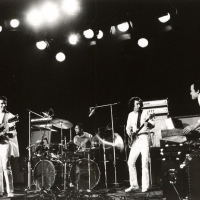
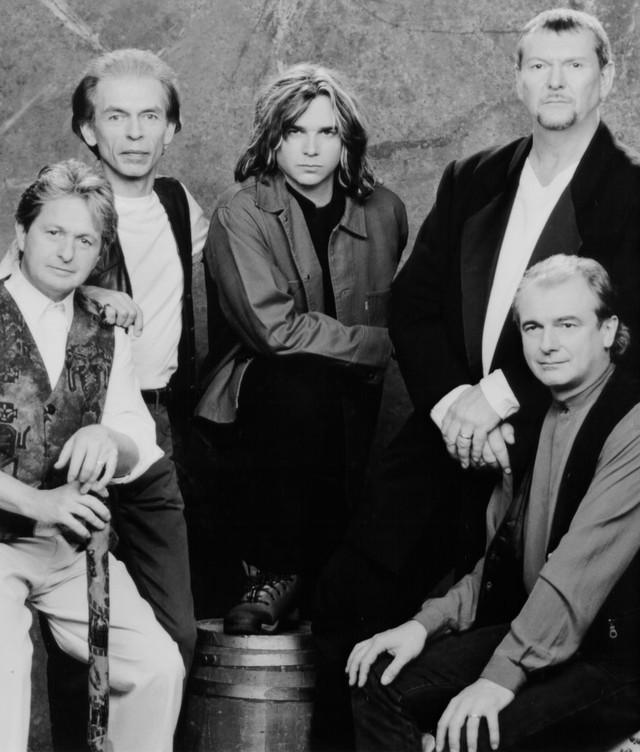
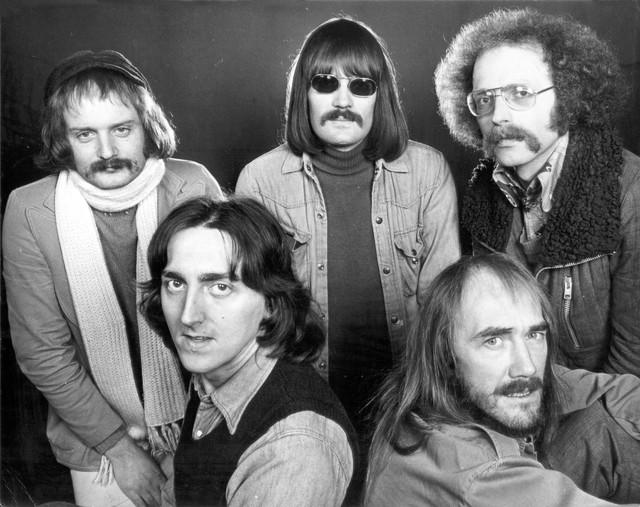
Brand X’s Spotify BioBrand X were a British jazz-rock fusion outfit formed by Genesis drummer Phil Collins and Atomic Rooster guitarist John Goodsall as a side project from their regular groups. Their initial lineup also included keyboardist Robin Lumley and bassist Percy Jones (the Liverpool Scene, the Scaffold). Brand X's debut album, Unorthodox Behaviour, was released in 1976; a live album, Livestock, and the studio effort Moroccan Roll followed in 1977. Collins left the group to concentrate on Genesis, and for 1978's Masques, he was replaced by Al Di Meola drummer Chuck Burgi, as well as additional keyboardist Peter Robinson, who had played with Stanley Clarke. Three further albums -- 1979's Product, 1980's Do They Hurt?, and 1982's Is There Anything About? -- followed before the group disbanded. In the mid-'90s, Lumley, Goodsall, and Jones reunited, issuing several live collections in the years to follow. Guitarist John Goodsall died on November 11, 2021 at the age of 68. Keyboard player Robin Lumley …died on March 9, 2023 due to heart failure at the age of 74. ~ Steve Huey, Rovi
Viberate is a music analytics platform built for A&Rs, artist managers, labels, booking agents, marketers, and artists.
It helps music professionals track artist growth, analyze audience data, monitor playlist activity, compare artists, follow song performance, and identify opportunities across the music market.
Public artist pages provide a free preview of selected artist data. Paid plans provide access to deeper analytics, historical data, charts, comparisons, playlist tools, exports, alerts, reports, and additional professional features.
Yes. Public Viberate artist pages provide selected artist analytics and music data for free.
Viberate also offers a 7-day free trial of the full platform. A credit card is required to start the trial. The trial includes access to the complete product so users can test deeper artist analytics, historical views, playlist insights, comparisons, charts, exports, alerts, and reporting features before choosing a paid plan.
Viberate provides artist analytics across streaming, playlists, social media, video, radio airplay, songs, and audience markets.
Users can analyze Spotify performance, Spotify and Apple Music playlists, YouTube activity, TikTok and Instagram growth, radio spins, song performance, audience locations, demographics, rankings, and overall artist momentum.
Artist profiles also connect to music charts, similar artists, and comparison tools, helping users benchmark performance and evaluate artists in context.
Viberate updates key artist and track data daily.
For followed artists and tracks, selected data is refreshed multiple times per day. This helps teams monitor playlist changes, streaming movement, audience growth, releases, and campaign performance with more current data.
Update frequency can vary depending on the metric and data source.
Yes. Viberate lets users compare up to five artists side by side across streaming, social media, audience, and engagement metrics.
Users can compare fanbase growth, audience demographics, locations, Spotify performance, social metrics, and other artist data over selected time periods.
Artist comparison can be used for A&R scouting, benchmarking, booking decisions, campaign planning, and evaluating artists with similar audiences or market positions.