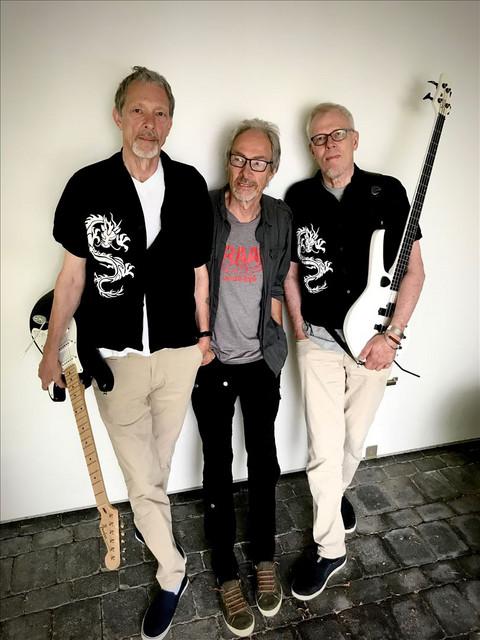
Kraan

Rock
Progressive Rock
Psychedelic Rock
 Viberate Rank: 188767
 Viberate Rank: 188767
 Monthly ListenersFollowers
 Subscribers
 Followers
 Followers
 FansTop Spotify Songs
| Track | 7-Day Streams | |
|---|---|---|
1 | 1.83K | |
2 | 379 | |
3 | 267 | |
4 | 245 | |
5 | 237 |
Top YouTube Videos| Video | 7-Day Views | |
|---|---|---|
1 | 1 |
Monthly ListenersFeatured in Playlists| Playlist | Followers | |
|---|---|---|
1 |  The NTS Breakfast Show w/ Flo - NTS NTS ᵇᵒᵗ (killed 2026/03) | 12.70K |
2 |  70s Proto-Metal, Heavy Psych & Obscure Hard Rock Jordan Edrei | 11.27K |
3 |  Jeroen Delodder — Studio Brussel Jeroen Delodder (sheridan) | 8.94K |
4 | Jazz Fusion, Progressive Rock, & Jam Bands Curator Seedpicker | 7.16K |
5 |  Madlib: Crate Diggin' dwelyn | 6.54K |
Audience| City | Monthly Listeners | |
|---|---|---|
1 | | 251 |
2 | | 196 |
3 |  | 185 |
4 | | 175 |
5 | | 133 |
See full performance history, audience data, playlist activity, rankings, comparisons, and more in Viberate music analytics. Start with a free trial, then continue with a paid plan.
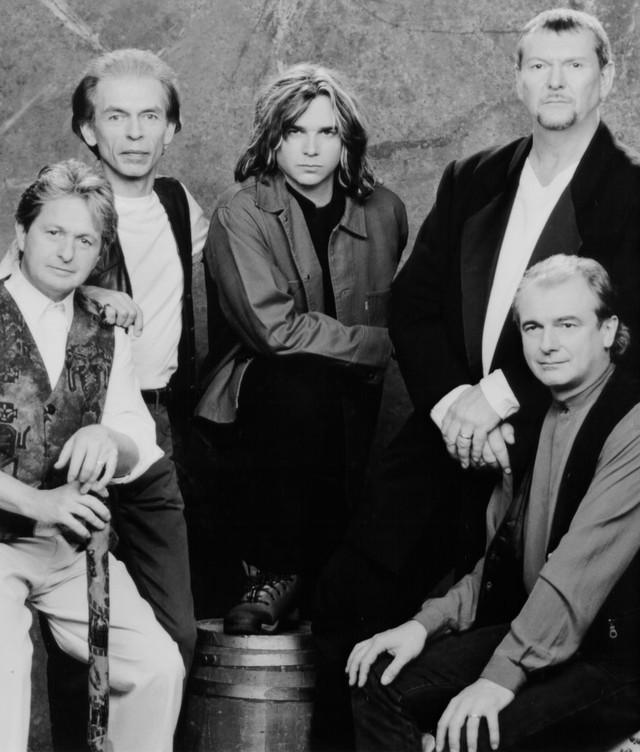
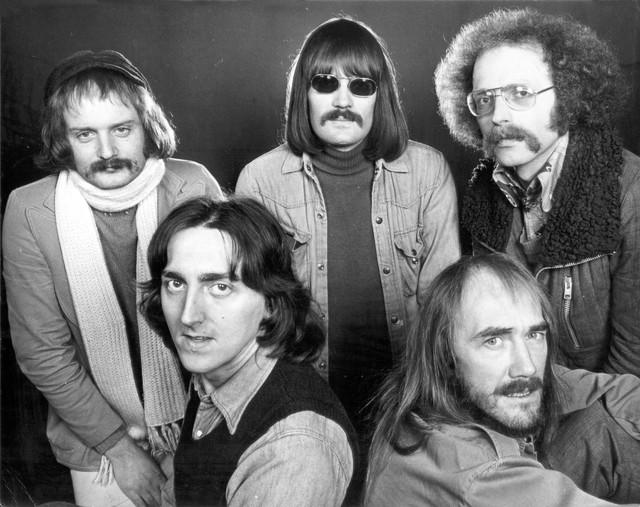
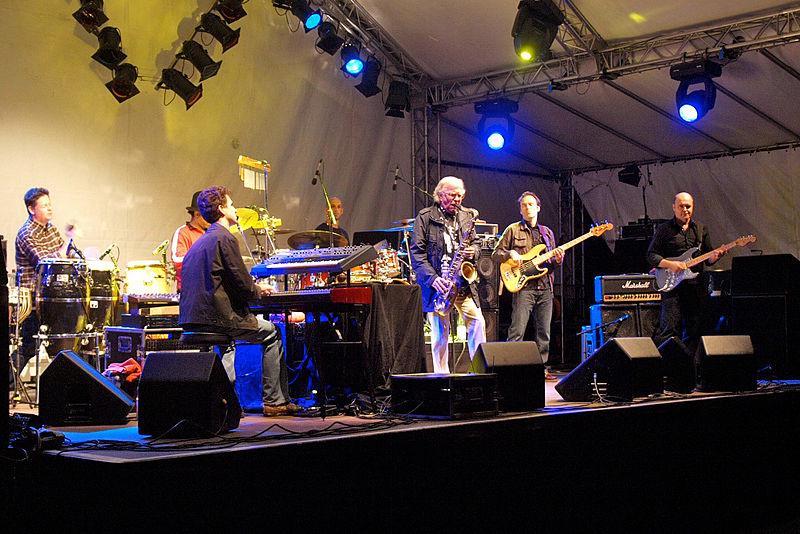
Kraan’s Spotify BioThis influential German band came together in the South German town of Ulm in 1967 with a meeting between teenagers Hellmut Hattler, Jan Wolbrandt, Jan Friede, and Johannes Pappert. All four had played in local jazz and rock bands, and they enjoyed jamming together on a casual basis. Though they originally played free jazz, they were influenced by Pharaoh Sanders and Frank Zappa and started working on tighter, more structured pieces. After playing on an amateur basis, they decided to get serious about music and moved to the small town of Wintrup, where they lived communally for almost five years. They managed to avoid any kind of steady work, preferring to devote their time to art and film projects and their increasingly tight and professional-sounding band. After considering the name Jack Steam, they named the band Kraan instead. (The name means faucet in Dutch, a fact they were apparently unaware of at the time. It means nothing in German but they liked it because it was easy to… remember.) Their eponymous first album was hastily recorded in 1971, and in it the band fuses psychedelia and jazz. Arabic and Eastern European rhythms are integrated seamlessly with funk-rock, and the 18-minute improvisation that takes up half of the album does so without a wasted minute. The combination of soulful, complex instrumental pieces and excellent musicianship was successful, and the album received excellent reviews. 1972's Wintrup album showed some movement toward a jazz-funk sound, which accelerated on 1974's Andy Nogger. All featured exotic rhythms and complex interplay between Hattler's nimble bass and Wolbrandt's guitar, with Pappert's electronically altered alto sounding like almost anything but a saxophone on some cuts. Pappert's dynamic range was very wide and he was out in front on some tunes and nearly invisible on others. Each album also had some of Wolbrandt's odd vocalizing, which features impressionistic lyrics that are as much sung as spoken, growled, and yelped. Luckily, the vocal pieces are few and comparatively brief, so those who never acquired the taste for Wolbrandt's voice didn't have to listen to it for long. The band hit a high water mark in 1974 with the two-record Live album, which was recorded in Berlin by veteran engineer Conny Plank. Some of their early pieces were reinterpreted by the more confident and skilled band, and in all cases the result is an improvement. Hattler's bass was the lead instrument on many tracks, and his lightning runs and chord playing on this release are among the best of his career. The instrumental interplay was stellar and brought Kraan to the attention of a much larger audience. In 1975, the Sounds poll named Kraan the Best Live Act, Hellmut Hattler the Best Instrumentalist, and Kraan Live the Best Album. The band embarked on a heavy touring schedule to promote the record, taking with them new member Ingo Bischof on keyboards. Bischof was formerly of the symphonic rock band Karthago, and his keyboards weren't entirely integrated on their next release, the erratic Let It Out. While some cuts were excellent, others were marred by excessive electronic effects and one consists solely of almost five minutes of echoing chants over heavily processed keyboards. While this experimentalism was entirely in character with the band's earliest work, that was not what their current audience wanted to hear. Though some fans were inclined to give the new lineup a chance and the album sold well, the critics were devastating. The poor press demoralized the band and Bischof quit shortly after it was released. Six months later, Pappert left the band for a solo career, a serious development that left the group's future in doubt. Though the band continued without him, the dynamic was altered and they never regained the same level of energy and interplay. Bischof was back again by early 1977 for the recording of Wiederhoren, a low-key album that had moments of brilliance but marked a shift toward a sound that was softer and less intricately structured. He was also on board at the end of that year for the recording of Hattler's solo album, Bassball, as was the rest of the current lineup of Kraan. Though much of the material on that album was marred by Hattler's singing (he was an even worse vocalist than Wolbrandt), the instrumentals sound much more like the old Kraan, high energy, eccentric time signatures and all. This mystified fans as it proved that the band was still capable of sustained energy for side projects but apparently not on their own albums. Drummer Jan Friede left the band shortly after recording Hattler's album, to be replaced by Udo Dahmen. The new lineup sounded very little like the old band, with Bischof's keyboards dominating an increasingly conventional jazz-rock sound. In 1979, Kraan released Flyday, an interesting album that alienated many fans despite being good when measured on its own merits. Once again the keyboards dominated the mix and though all members showed instrumental virtuosity, the sound was more mellow than exciting. The band made a major mistake by following this with the live Tournee album, a competent but unexceptional affair that couldn't help but provoke comparisons to their previous, more exciting live work. Kraan's next album, 1982's Nachtfahrt, did nothing to restore their popularity. The band experimented with combinations of their usual sound with reggae, dub, new wave, and pop, with results that could easily be imagined as everyone found something to dislike. The band broke up, though a version of the group that included only Hattler and Bischof from the previous lineup recorded an album of unchallenging jazz the next year. Wolbrandt, Hattler, and Friede reunited shortly afterwards, added trumpeter Joo Kraus, and recorded a live album called Kraan 88. Competent but uninspired albums have followed since then, but none have recaptured the magic of the band's earlier work. Hattler released another solo album in 2000, No Eats Yes, and the whole band recorded another live album the same year that was released as Kraan 2001. ~ Richard Foss, Rovi
Viberate is a music analytics platform built for A&Rs, artist managers, labels, booking agents, marketers, and artists.
It helps music professionals track artist growth, analyze audience data, monitor playlist activity, compare artists, follow song performance, and identify opportunities across the music market.
Public artist pages provide a free preview of selected artist data. Paid plans provide access to deeper analytics, historical data, charts, comparisons, playlist tools, exports, alerts, reports, and additional professional features.
Yes. Public Viberate artist pages provide selected artist analytics and music data for free.
Viberate also offers a 7-day free trial of the full platform. A credit card is required to start the trial. The trial includes access to the complete product so users can test deeper artist analytics, historical views, playlist insights, comparisons, charts, exports, alerts, and reporting features before choosing a paid plan.
Viberate provides artist analytics across streaming, playlists, social media, video, radio airplay, songs, and audience markets.
Users can analyze Spotify performance, Spotify and Apple Music playlists, YouTube activity, TikTok and Instagram growth, radio spins, song performance, audience locations, demographics, rankings, and overall artist momentum.
Artist profiles also connect to music charts, similar artists, and comparison tools, helping users benchmark performance and evaluate artists in context.
Viberate updates key artist and track data daily.
For followed artists and tracks, selected data is refreshed multiple times per day. This helps teams monitor playlist changes, streaming movement, audience growth, releases, and campaign performance with more current data.
Update frequency can vary depending on the metric and data source.
Yes. Viberate lets users compare up to five artists side by side across streaming, social media, audience, and engagement metrics.
Users can compare fanbase growth, audience demographics, locations, Spotify performance, social metrics, and other artist data over selected time periods.
Artist comparison can be used for A&R scouting, benchmarking, booking decisions, campaign planning, and evaluating artists with similar audiences or market positions.