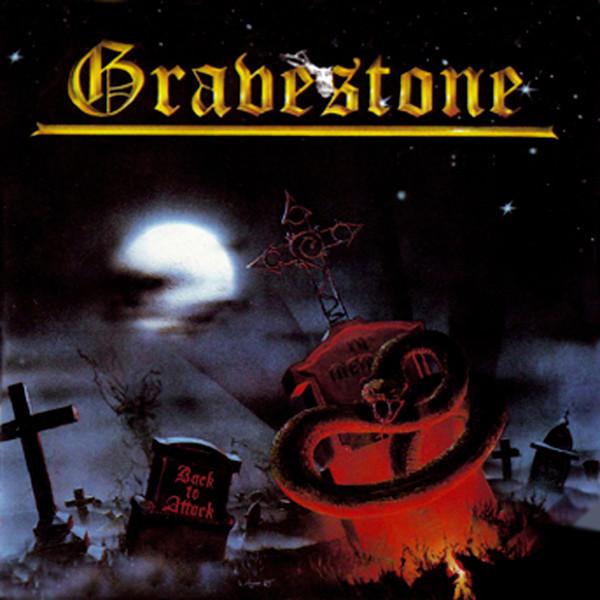
Gravestone

Metal
Death Metal
Speed Metal
 Viberate Rank: 243416
 Viberate Rank: 243416
 Monthly ListenersFollowers
 Subscribers
 Followers
 Followers
 FansTop Spotify Songs
| Track | 7-Day Streams | |
|---|---|---|
1 | 816 | |
2 | 449 | |
3 | 449 | |
4 | 268 | |
5 | 188 |
Top YouTube VideosMonthly ListenersFeatured in Playlists| Playlist | Followers | |
|---|---|---|
1 |  FENRIZ METAL Gylve | 32.35K |
2 |  NWOBHM Classics 🔥🔥 Abdurahman Muuse | 10.80K |
3 |  SPEED METAL ATTACK electric_warfare | 10.40K |
4 |  Heavy Metal 1980-1990 Gonzalo Andres Quintana | 7.26K |
5 |  '80s Underground Metal / Old School Metal Subterranean Steel | 6.31K |
Audience| City | Monthly Listeners | |
|---|---|---|
1 |  | 218 |
2 |  | 109 |
3 |  | 99 |
4 |  | 83 |
5 | | 63 |
See full performance history, audience data, playlist activity, rankings, comparisons, and more in Viberate music analytics. Start with a free trial, then continue with a paid plan.
Gravestone’s Spotify BioWith origins dating back to 1977, Gravestone were one of several German hard rock bands who initially experienced nothing but failure (they released two early LPs few people have ever heard of: 1979's Doomsday and 1980s War), yet hung around long enough to enjoy a small taste of recognition following the colossal '80s success of countrymen like the Scorpions and Accept. Capitalizing on this sudden surge of interest, vocalist Berti Majdan, guitarists Mathias Dieth and Klaus Reinelt, bassist Thomas Sabisch, and drummer Dieter Behle would release three additional albums from their home base outside the southern city of Stuttgart -- 1984's Victim of Chains (featuring bassist Oli Orlitta), 1985's Back to Attack, and 1986's Creating a Monster -- before morphing into a new band named 48 Crash. 1993 saw the release of an eponymous collection of their best '80s output, and guitarist Dieth went on to work with both U.D.O. and Sinner in later years. ~ Eduardo Rivadavia, Rovi
Viberate is a music analytics platform built for A&Rs, artist managers, labels, booking agents, marketers, and artists.
It helps music professionals track artist growth, analyze audience data, monitor playlist activity, compare artists, follow song performance, and identify opportunities across the music market.
Public artist pages provide a free preview of selected artist data. Paid plans provide access to deeper analytics, historical data, charts, comparisons, playlist tools, exports, alerts, reports, and additional professional features.
Yes. Public Viberate artist pages provide selected artist analytics and music data for free.
Viberate also offers a 7-day free trial of the full platform. A credit card is required to start the trial. The trial includes access to the complete product so users can test deeper artist analytics, historical views, playlist insights, comparisons, charts, exports, alerts, and reporting features before choosing a paid plan.
Viberate provides artist analytics across streaming, playlists, social media, video, radio airplay, songs, and audience markets.
Users can analyze Spotify performance, Spotify and Apple Music playlists, YouTube activity, TikTok and Instagram growth, radio spins, song performance, audience locations, demographics, rankings, and overall artist momentum.
Artist profiles also connect to music charts, similar artists, and comparison tools, helping users benchmark performance and evaluate artists in context.
Viberate updates key artist and track data daily.
For followed artists and tracks, selected data is refreshed multiple times per day. This helps teams monitor playlist changes, streaming movement, audience growth, releases, and campaign performance with more current data.
Update frequency can vary depending on the metric and data source.
Yes. Viberate lets users compare up to five artists side by side across streaming, social media, audience, and engagement metrics.
Users can compare fanbase growth, audience demographics, locations, Spotify performance, social metrics, and other artist data over selected time periods.
Artist comparison can be used for A&R scouting, benchmarking, booking decisions, campaign planning, and evaluating artists with similar audiences or market positions.