Morton Subotnick

Electronic
Techno
Other Electronic Music
 Viberate Rank: 359925
 Viberate Rank: 359925
 Monthly ListenersFollowers
 Subscribers
 Followers
 Followers
 FansTop Spotify SongsTop YouTube VideosMonthly ListenersFeatured in Playlists
| Playlist | Followers | |
|---|---|---|
1 |  The 200 Best Albums of the 1960s Pitchfork | 10.80K |
2 |  CREED #IFightFor Playlist creedmovie | 6.70K |
3 |  Modular Synthesizer Music and Artists Discovery Franck Martin | 6.44K |
4 |  An Anthology Of Noise And Electronic Music Vols 1-7 mickydazzler | 3.85K |
5 | Chanel Fashion Shows Daniel Dacoba Conde | 3.78K |
Audience| City | Monthly Listeners | |
|---|---|---|
1 | | 17 |
2 | | 13 |
3 | | 13 |
4 |  | 13 |
5 |  | 12 |
See full performance history, audience data, playlist activity, rankings, comparisons, and more in Viberate music analytics. Start with a free trial, then continue with a paid plan.
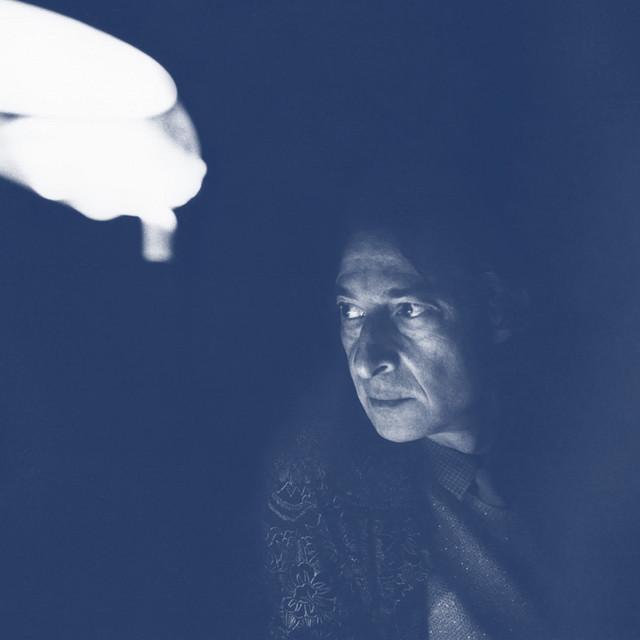
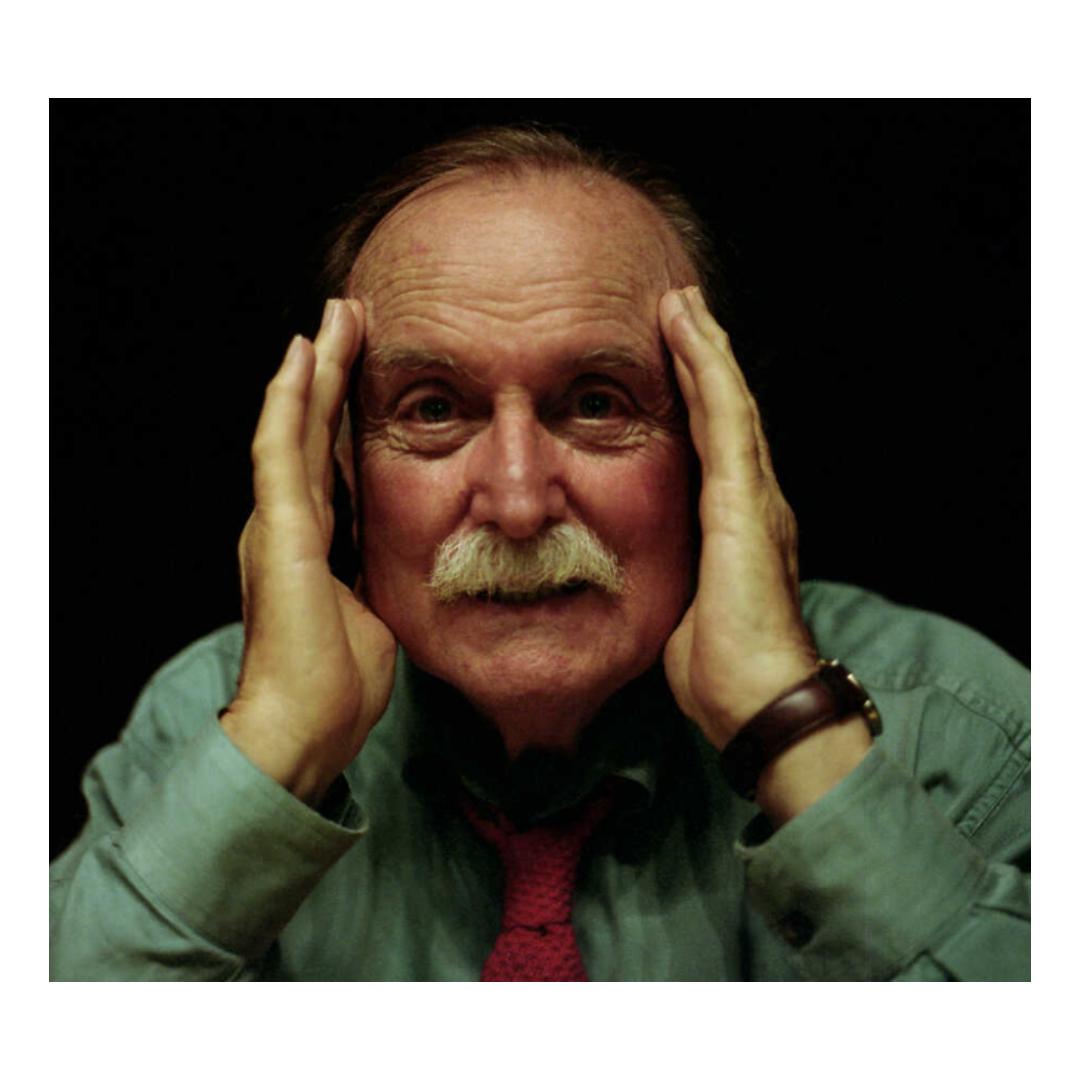
Morton Subotnick’s Spotify BioLong at the vanguard of American electronic music, composer Morton Subotnick also pioneered the rise of multimedia performance through his extensive work in connection with interactive computer systems. Born in Los Angeles on April 14, 1933, he attended the University of Denver before earning his Master's at Mills College in Oakland, CA, where he studied composition under Darius Milhaud and Leon Kirchner. (From 1959 to 1966, Subotnick himself taught at Mills as well.) His earliest major work was 1959's Sound Blocks, the first of his compositions to focus on the relationship between musical, visual, and verbal components; much of Subotnick's subsequent oeuvre pursued the same ideas, with later pieces like the multi-part Play! and 1965's Lamination I including films, lighting effects, pre-taped material, and other media elements.
In 1967, Subotnick released the landmark Silver Apples of the Moon, the first electronic work commissioned by a recording company (Nonesuch). Realized via the… Buchla modular synthesizer, which he helped design and develop, the album sold remarkably well, its success widely perceived as recognition of the home stereo system as a legitimate medium for present-day chamber music. Now composing specifically for the vinyl format, with works consisting of two halves to fit their respective sides of each LP, Subotnick returned with The Wild Bull a year later, shortly followed by the two-part Reality. Touch, completed in 1969, was his first piece recorded on four-track technology; it was followed in 1970 by Sidewinder. All shared sophisticated timbres, contrapuntal textures, and pulsing undercurrents -- in fact, many were so rhythmic they were adapted for modern dance performances.
Subotnick's next major plunge into multi-media was 1973's Four Butterflies, a piece for four-track tape and three films; a pair of orchestral compositions, Before the Butterfly and Two Butterflies, followed in 1975. Concurrent was his work on the "ghost box," a modification device designed to control real-time sound processing by means of a pitch and envelope follower in addition to taped, voltage-controlled components including an amplifier, a frequency shifter, and a ring modulator. As neither the tape with the control voltages nor the ghost box itself contained any actual sounds, Subotnick dubbed the end result a "ghost score," introducing the concept in 1977's Two Life Histories; much of the work which immediately followed expanded upon the idea by bringing together live performers and ghost scores, resulting in pieces including Liquid Strata, The Wild Beasts, and The Fluttering of Wings.
With 1981's Ascent into Air, written for live performers and a 4C computer, Subotnick's innovations in real-time sound processing reached their peak; not only did he spatially locate and modulate the timbres of live instruments in a quadraphonic field, but he employed his players to serve as "control voltages," determining where the computer-generated sounds were placed, how they were modulated and so forth. Computer technology assumed greater and greater importance in Subotnick's later work, with pieces like The Key to Songs, Return, and all my hummingbirds have alibis taking full advantage of MIDI technology. Latter-day compositions -- among them Jacob's Room, a multimedia opera premiered in 1993 -- also regularly made full use of computerized sound generation, specially designed software and "intelligent" interactive computer controls. ~ Jason Ankeny, Rovi
Viberate is a music analytics platform built for A&Rs, artist managers, labels, booking agents, marketers, and artists.
It helps music professionals track artist growth, analyze audience data, monitor playlist activity, compare artists, follow song performance, and identify opportunities across the music market.
Public artist pages provide a free preview of selected artist data. Paid plans provide access to deeper analytics, historical data, charts, comparisons, playlist tools, exports, alerts, reports, and additional professional features.
Yes. Public Viberate artist pages provide selected artist analytics and music data for free.
Viberate also offers a 7-day free trial of the full platform. A credit card is required to start the trial. The trial includes access to the complete product so users can test deeper artist analytics, historical views, playlist insights, comparisons, charts, exports, alerts, and reporting features before choosing a paid plan.
Viberate provides artist analytics across streaming, playlists, social media, video, radio airplay, songs, and audience markets.
Users can analyze Spotify performance, Spotify and Apple Music playlists, YouTube activity, TikTok and Instagram growth, radio spins, song performance, audience locations, demographics, rankings, and overall artist momentum.
Artist profiles also connect to music charts, similar artists, and comparison tools, helping users benchmark performance and evaluate artists in context.
Viberate updates key artist and track data daily.
For followed artists and tracks, selected data is refreshed multiple times per day. This helps teams monitor playlist changes, streaming movement, audience growth, releases, and campaign performance with more current data.
Update frequency can vary depending on the metric and data source.
Yes. Viberate lets users compare up to five artists side by side across streaming, social media, audience, and engagement metrics.
Users can compare fanbase growth, audience demographics, locations, Spotify performance, social metrics, and other artist data over selected time periods.
Artist comparison can be used for A&R scouting, benchmarking, booking decisions, campaign planning, and evaluating artists with similar audiences or market positions.