Origin

Metal
Death Metal
 Viberate Rank: 82524
 Viberate Rank: 82524
 Monthly ListenersFollowers
 Subscribers
 Followers
 Followers
 FansTop Spotify Songs
| Track | 7-Day Streams | |
|---|---|---|
1 | 2.94K | |
2 | 1.54K | |
3 | 1.16K | |
4 | 1.12K | |
5 | 888 |
Top YouTube VideosMonthly ListenersFeatured in Playlists| Playlist | Followers | |
|---|---|---|
1 |  Brutal Death Metal firatkaya90 | 170.35K |
2 | Metal🤘🏻 Naydil González | 16.46K |
3 |  Technical Death Metal OPSAT | 15.41K |
4 |  Classic Trance (1990-2005) Darius G 🎧 | 9.70K |
5 |  Gatecrasher 1998 – 2001 dan85 | 9.22K |
Audience| City | Monthly Listeners | |
|---|---|---|
1 |  | 248 |
2 |  | 248 |
3 |  | 244 |
4 | | 235 |
5 |  | 226 |
See full performance history, audience data, playlist activity, rankings, comparisons, and more in Viberate music analytics. Start with a free trial, then continue with a paid plan.
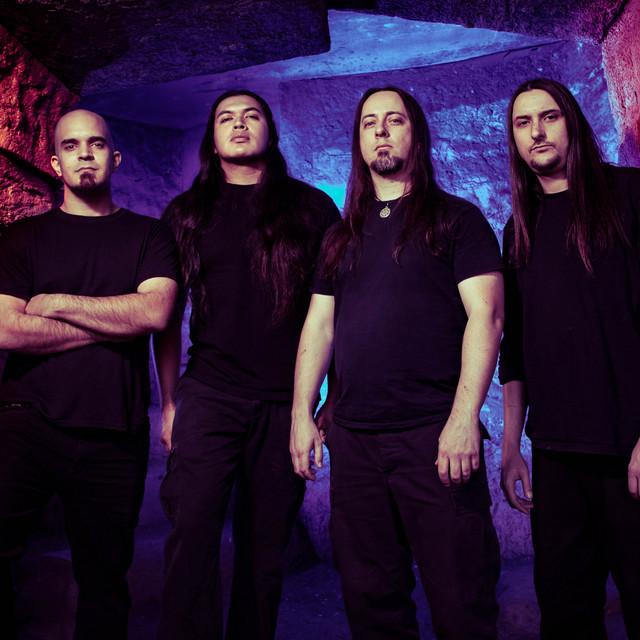
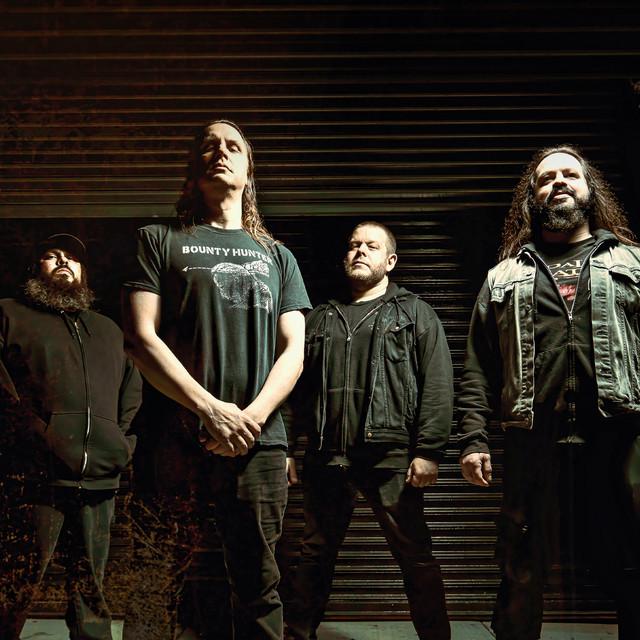
Origin’s Spotify BioTopeka, Kansas-based quintet Origin specializes in ridiculously technical, fast, and punishing death/grind metal. Since 1997's debut EP and 2000's self-titled Relapse full-length, the band put all of its chips down on furious tremolo/sweep picking across guitars and bass, downtuned, sixth string-riding triplet/quintet 16th notes, and an orgy of blastbeats. Guitarist Paul Ryan is the only original member. Drummer John Longstreth served from 1999 until 2003 and re-joined in 2007, while bassist Mike Flores joined in 2002. Vocalist Jason Keyser has fronted the band since late 2011. 2008's Antithesis scored their most consistent reviews since their debut, while 2011's Entity saw Origin record as a pre-Keyser trio. 2014's Omnipresent showcased the triumphant return of the band as a somewhat slower-playing quartet. 2017's Unparalleled Universe marked a return to speedy, brutal, technical death metal. 2019's Abiogenesis: A Coming Into Existence compiled the band's demos and other early… Ryan-composed material, while 2022's Chaosmos marked the quartet's proper return to recording.
Origin was initially founded by guitarists Paul Ryan and Jeremy Turner in July of 1997. Over the next six months, the duo enlisted bassist Clint Appelhanz, vocalist Mark Manning, and drummer George Fluke to fill out the first Origin lineup, which went on to record the demo A Coming Into Existence in October of 1998. The following year, a new rhythm section came on board in the form of bassist Doug Williams (ex-Cephalic Carnage) and drummer John Longstreth (ex-Angel Corpse). This lineup went on to record the group's self-titled debut album for Relapse Records, which was released in 2000. Following its appearance, Origin went on extensive tours across the U.S. and Europe with fellow death metal extremists including Cryptopsy, Vader, Cephalic Carnage, and Dying Fetus.
More lineup changes followed before the band could return to the studio. Singer James Lee stepped in to replace Manning and bassist Mike Flores moved in as the permanent replacement for Williams. This new lineup recorded 2002's Informis Infinitas Inhumanitas. 2005's Echoes of Decimation once again showed off the band's increasingly technical instrumental prowess, but the following year saw James King and Clint Appelhanz leave the fold to join death metal/grindcore group Unmerciful -- Paul Ryan would handle all the guitar parts on the band's support tour. Co-founder Turner temporarily re-joined for 2008's Antithesis, which made a strong showing on the Heatseekers chart.
Additional lineup changes preceded the release of 2011's Entity, which saw the band pared down to a trio featuring Ryan, Flores, and Longstreth to very mixed reviews. Origin returned as a quartet with the arrival of vocalist Jason Keyser on 2014's Colin Marston-mixed Omnipresent to laudatory reviews despite a change in direction that offered an aural portrait of the band playing slower, more grind-oriented material. After two world tours, Origin returned with their seventh studio long-player, Unparalleled Universe for Nuclear Blast, in 2017. It marked the first time in the band's history that they'd employed a consistent lineup on successive recordings.
Three long tours took the band into 2019. That year's Abiogenesis: A Coming Into Existence compiled the first EP and various early-'90s songs written by Ryan. Sidelined by the COVID-19 pandemic for two years, Origin re-entered the recording studio with the same lineup in 2021. They emerged with Chaosmos in June 2022; it was issued in the middle of an American tour. Released by Agonia in Europe and Nuclear Blast everywhere else, the ten-song set was co-produced by Origin and Robert Rebeck, and mastered by Colin Marks. ~ William York & Thom Jurek, Rovi
Viberate is a music analytics platform built for A&Rs, artist managers, labels, booking agents, marketers, and artists.
It helps music professionals track artist growth, analyze audience data, monitor playlist activity, compare artists, follow song performance, and identify opportunities across the music market.
Public artist pages provide a free preview of selected artist data. Paid plans provide access to deeper analytics, historical data, charts, comparisons, playlist tools, exports, alerts, reports, and additional professional features.
Yes. Public Viberate artist pages provide selected artist analytics and music data for free.
Viberate also offers a 7-day free trial of the full platform. A credit card is required to start the trial. The trial includes access to the complete product so users can test deeper artist analytics, historical views, playlist insights, comparisons, charts, exports, alerts, and reporting features before choosing a paid plan.
Viberate provides artist analytics across streaming, playlists, social media, video, radio airplay, songs, and audience markets.
Users can analyze Spotify performance, Spotify and Apple Music playlists, YouTube activity, TikTok and Instagram growth, radio spins, song performance, audience locations, demographics, rankings, and overall artist momentum.
Artist profiles also connect to music charts, similar artists, and comparison tools, helping users benchmark performance and evaluate artists in context.
Viberate updates key artist and track data daily.
For followed artists and tracks, selected data is refreshed multiple times per day. This helps teams monitor playlist changes, streaming movement, audience growth, releases, and campaign performance with more current data.
Update frequency can vary depending on the metric and data source.
Yes. Viberate lets users compare up to five artists side by side across streaming, social media, audience, and engagement metrics.
Users can compare fanbase growth, audience demographics, locations, Spotify performance, social metrics, and other artist data over selected time periods.
Artist comparison can be used for A&R scouting, benchmarking, booking decisions, campaign planning, and evaluating artists with similar audiences or market positions.