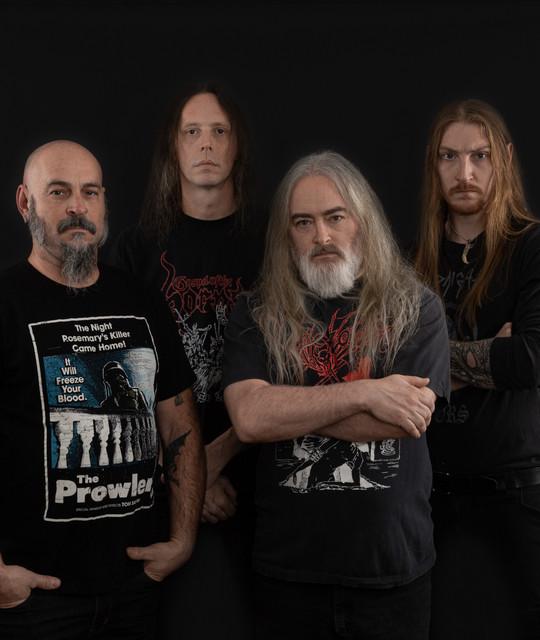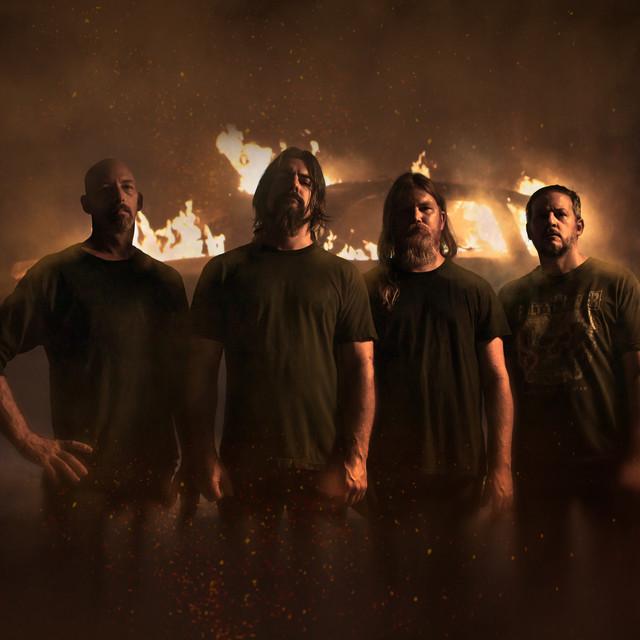
Hate Eternal

Metal
Death Metal
 Viberate Rank: 87400
 Viberate Rank: 87400
 Monthly ListenersFollowers
 Subscribers
 Followers
 Followers
 FansTop Spotify Songs
| Track | 7-Day Streams | |
|---|---|---|
1 | 3.08K | |
2 | 2.22K | |
3 | 1.73K | |
4 | 1.13K | |
5 | 1.08K |
Top YouTube Videos| Video | 7-Day Views | |
|---|---|---|
1 | 421 | |
2 | 248 | |
3 | 177 | |
4 | 176 | |
5 | 172 |
Monthly ListenersFeatured in Playlists| Playlist | Followers | |
|---|---|---|
1 |  Brutal Death Metal firatkaya90 | 170.35K |
2 |  Death Metal Classics @MansenSankari | 127.47K |
3 |  DEATH METAL TOP 100 True Metal Playlists | 36.92K |
4 |  SATANIC MUSIC IMBOLC 🧚♂️ | 19.47K |
5 | Metal🤘🏻 Naydil González | 16.46K |
Audience| City | Monthly Listeners | |
|---|---|---|
1 |  | 424 |
2 |  | 274 |
3 |  | 254 |
4 | | 250 |
5 |  | 243 |
See full performance history, audience data, playlist activity, rankings, comparisons, and more in Viberate music analytics. Start with a free trial, then continue with a paid plan.
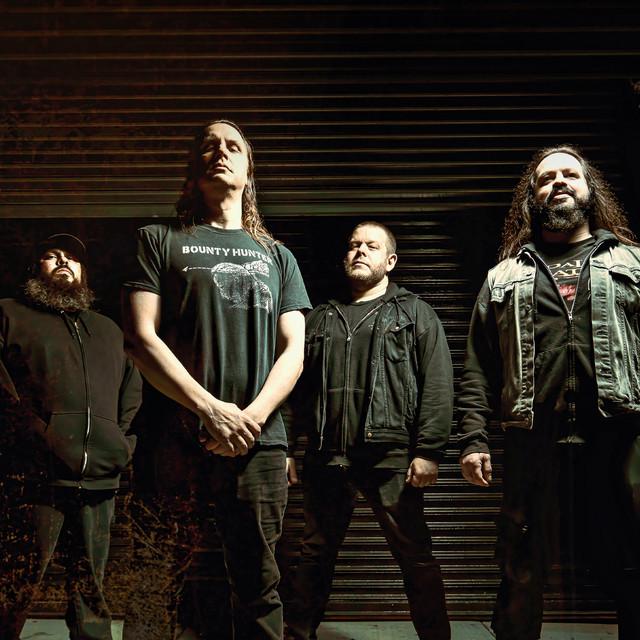
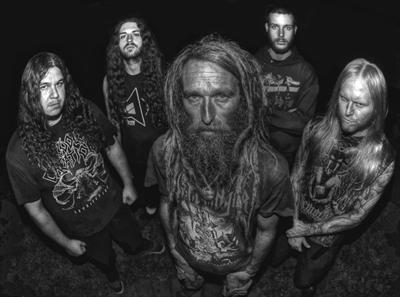
Hate Eternal’s Spotify BioHate Eternal are an uncompromising, ultra-fast death metal/grindcore band led by former Morbid Angel and Ripping Corpse guitarist Erik Rutan. Building off of a foundation put down by Floridian death metal pioneers like Death and Obituary, the band emerged in the late 1990s with a technically complex take on the genre, an esthetic that they perfected on standout LPs like Fury and Flames (2008), Phoenix Amongst the Ashes (2011), and Infernus (2015).
Hate Eternal presented a change for Rutan in that the group found him doing much of the lead singing in addition to playing guitar. Nonetheless, Hate Eternal's late-'90s material was quite similar to the type of things that Rutan had done in the past. With Rutan having recruited fellow guitarist Doug Cerrito (formerly of Suffocation), bassist Jared Anderson, and drummer Tim Yeung, Hate Eternal signed with Wicked World in 1999 and recorded their first album, Conquering the Throne. Shortly afterward, Yeung was replaced by Derek Roddy and Rutan… left Morbid Angel to focus on Hate Eternal, and in 2002 the band released its second album, King of All Kings, on Earache. Hate Eternal set out on tour to promote the album, but quickly ran into trouble when they had to replace Jared Anderson with Randy Piro due to a drug problem. In 2005, the band returned with its third album, I, Monarch. While the album was met with favorable reviews by critics, the band suffered from internal problems and had to cancel its touring, with Roddy leaving the group in 2006. Rutan recruited drummer Jade Simonetto to replace him the following year, and the band got back to recording, releasing the triumphant Fury and Flames on Metal Blade in 2008, which became their highest-charting LP to date. Two years later, Piro was replaced by bassist J.J. Hrubovcak just before the band went into the studio to begin work on its fifth album, Phoenix Amongst the Ashes, which was released in early 2011 and reached number 18 on the U.S. Heatseekers chart. The band moved to Season of Mist for their sixth studio long player, 2015's punishing Infernus, which marked the debut of drummer Chason Westmoreland from Burning the Masses. Westmoreland left the fold shortly after the album's release, and was replaced by Hannes Grossmann (Blotted Science, Necrophagist), who made his first studio appearance on 2018's Upon Desolate Sands. ~ Alex Henderson, Rovi
Viberate is a music analytics platform built for A&Rs, artist managers, labels, booking agents, marketers, and artists.
It helps music professionals track artist growth, analyze audience data, monitor playlist activity, compare artists, follow song performance, and identify opportunities across the music market.
Public artist pages provide a free preview of selected artist data. Paid plans provide access to deeper analytics, historical data, charts, comparisons, playlist tools, exports, alerts, reports, and additional professional features.
Yes. Public Viberate artist pages provide selected artist analytics and music data for free.
Viberate also offers a 7-day free trial of the full platform. A credit card is required to start the trial. The trial includes access to the complete product so users can test deeper artist analytics, historical views, playlist insights, comparisons, charts, exports, alerts, and reporting features before choosing a paid plan.
Viberate provides artist analytics across streaming, playlists, social media, video, radio airplay, songs, and audience markets.
Users can analyze Spotify performance, Spotify and Apple Music playlists, YouTube activity, TikTok and Instagram growth, radio spins, song performance, audience locations, demographics, rankings, and overall artist momentum.
Artist profiles also connect to music charts, similar artists, and comparison tools, helping users benchmark performance and evaluate artists in context.
Viberate updates key artist and track data daily.
For followed artists and tracks, selected data is refreshed multiple times per day. This helps teams monitor playlist changes, streaming movement, audience growth, releases, and campaign performance with more current data.
Update frequency can vary depending on the metric and data source.
Yes. Viberate lets users compare up to five artists side by side across streaming, social media, audience, and engagement metrics.
Users can compare fanbase growth, audience demographics, locations, Spotify performance, social metrics, and other artist data over selected time periods.
Artist comparison can be used for A&R scouting, benchmarking, booking decisions, campaign planning, and evaluating artists with similar audiences or market positions.