Decrepit Birth

Metal
Death Metal
 Viberate Rank: 106928
 Viberate Rank: 106928
 Monthly ListenersFollowers
 Subscribers
 Followers
 Followers
 FansTop Spotify Songs
| Track | 7-Day Streams | |
|---|---|---|
1 | 1.89K | |
2 | 1.66K | |
3 | 1.52K | |
4 | 987 | |
5 | 636 |
Top YouTube VideosMonthly ListenersFeatured in Playlists| Playlist | Followers | |
|---|---|---|
1 |  Brutal Death Metal firatkaya90 | 170.35K |
2 |  Death Metal Classics @MansenSankari | 127.47K |
3 | Metal🤘🏻 Naydil González | 16.46K |
4 |  ULTIMATE BRUTAL DEATH WORK-OUT PLAYLIST Georg Wilfinger | 8.03K |
5 | Instrumental Death Metal alpengeist19 | 7.11K |
Audience| City | Monthly Listeners | |
|---|---|---|
1 | | 240 |
2 |  | 207 |
3 |  | 194 |
4 | | 180 |
5 |  | 165 |
See full performance history, audience data, playlist activity, rankings, comparisons, and more in Viberate music analytics. Start with a free trial, then continue with a paid plan.
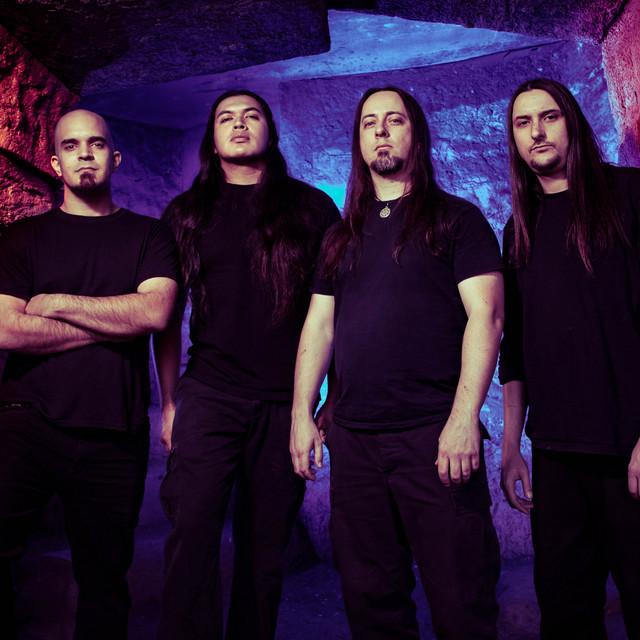
Decrepit Birth’s Spotify BioMerging brutal physical power with an unerringly precise attack, Decrepit Birth are a technical death metal band from Santa Cruz, California. The band's story begins in the mid-'90s, when vocalist Bill Robinson met guitarist Matt Sotelo, and the two discovered they shared an ambition to create truly uncompromising music. In 2001, things got serious when Robinson and Sotelo teamed up with bassist Derek Boyer and began assembling material. By 2003, the band had developed a reputation for their striking live shows, and they released their debut album, ... And Time Begins, with the three musicians joined by drummer Tim Yeung. Yeung didn't last long with the group, and in 2004 K.C. Howard became their new drummer. After extensive touring, Sotelo began writing material that gave Decrepit Birth a more melodic sound without cutting back on their ferocity. The result was their second full-length album, 2008's Diminishing Between Worlds. While Joel Horner was playing bass with the band by this… time, he didn't appear on the album, with Sotelo playing bass and keyboards as well as guitar. By Decrepit Birth's standards, their next album was completed quickly, with Polarity released in 2010 by respected metal label Nuclear Blast; the Robinson/Sotelo/Horner/Howard lineup was supplemented in the studio by guitarists Dan Eggers and Ty Oliver and drummer Lee Smith. By the end of 2010, Sam Paulicelli became the group's new drummer, replacing KC Howard, and Sean Martinez took over from Horner on bass in 2013. While Decrepit Birth toured hard in support of Polarity, the group took a break after Sotelo became a father for the first time and wanted to stay home with his young son. However, he didn't stop writing new songs while on paternity leave, and with Sotelo and Martinez recording in their respective home studios and Paulicelli cutting drum tracks at a studio in Canada, Decrepit Birth returned in 2017 with the album Axis Mundi. ~ Mark Deming, Rovi
Viberate is a music analytics platform built for A&Rs, artist managers, labels, booking agents, marketers, and artists.
It helps music professionals track artist growth, analyze audience data, monitor playlist activity, compare artists, follow song performance, and identify opportunities across the music market.
Public artist pages provide a free preview of selected artist data. Paid plans provide access to deeper analytics, historical data, charts, comparisons, playlist tools, exports, alerts, reports, and additional professional features.
Yes. Public Viberate artist pages provide selected artist analytics and music data for free.
Viberate also offers a 7-day free trial of the full platform. A credit card is required to start the trial. The trial includes access to the complete product so users can test deeper artist analytics, historical views, playlist insights, comparisons, charts, exports, alerts, and reporting features before choosing a paid plan.
Viberate provides artist analytics across streaming, playlists, social media, video, radio airplay, songs, and audience markets.
Users can analyze Spotify performance, Spotify and Apple Music playlists, YouTube activity, TikTok and Instagram growth, radio spins, song performance, audience locations, demographics, rankings, and overall artist momentum.
Artist profiles also connect to music charts, similar artists, and comparison tools, helping users benchmark performance and evaluate artists in context.
Viberate updates key artist and track data daily.
For followed artists and tracks, selected data is refreshed multiple times per day. This helps teams monitor playlist changes, streaming movement, audience growth, releases, and campaign performance with more current data.
Update frequency can vary depending on the metric and data source.
Yes. Viberate lets users compare up to five artists side by side across streaming, social media, audience, and engagement metrics.
Users can compare fanbase growth, audience demographics, locations, Spotify performance, social metrics, and other artist data over selected time periods.
Artist comparison can be used for A&R scouting, benchmarking, booking decisions, campaign planning, and evaluating artists with similar audiences or market positions.