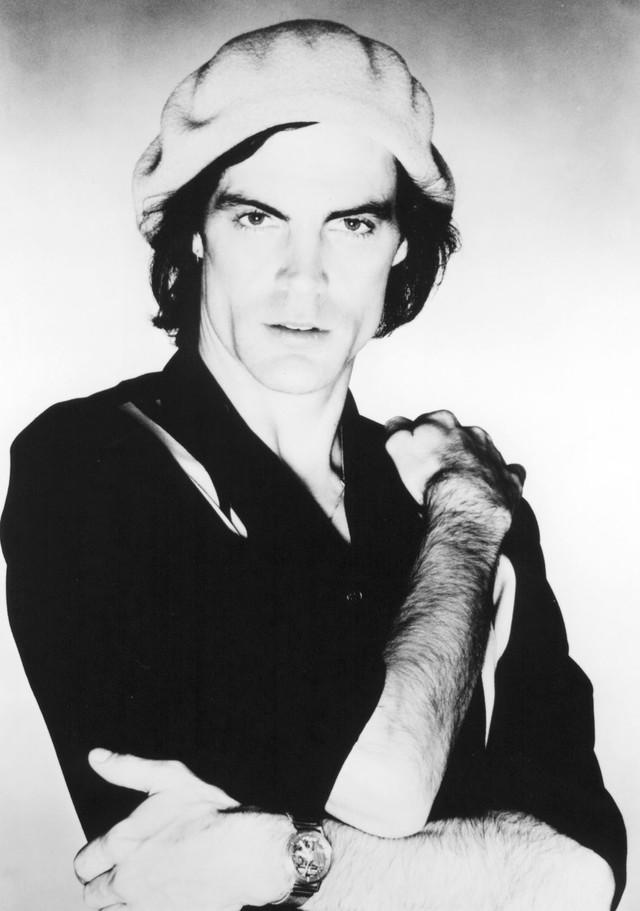
Martin Briley

Rock
Alternative Rock
Pop Rock
 Viberate Rank: 263942
 Viberate Rank: 263942
 Monthly ListenersFollowers
 Subscribers
 Followers
 Followers
 FansTop Spotify Songs
| Track | 7-Day Streams | |
|---|---|---|
1 | 2.49K | |
2 | 1.65K | |
3 | 250 | |
4 | 62 | |
5 | 60 |
Top YouTube VideosMonthly ListenersFeatured in Playlists| Playlist | Followers | |
|---|---|---|
1 | Classic Rock Greatest Hits Scott Pruden | 341.38K |
2 |  Barbie Movies Songs🌸 | Playlist Génesis Barrera Robles | 15.27K |
3 |  i like music more than i like people Matt Nathanson | 10.33K |
4 |  early 2000s rom com Natalie Nguyen | 9.70K |
5 |  Ultimate Party Mix – All Genres (500+ Hours) Void | 7.37K |
Audience| City | Monthly Listeners | |
|---|---|---|
1 | | 267 |
2 | | 254 |
3 | | 236 |
4 | | 192 |
5 |  | 174 |
See full performance history, audience data, playlist activity, rankings, comparisons, and more in Viberate music analytics. Start with a free trial, then continue with a paid plan.
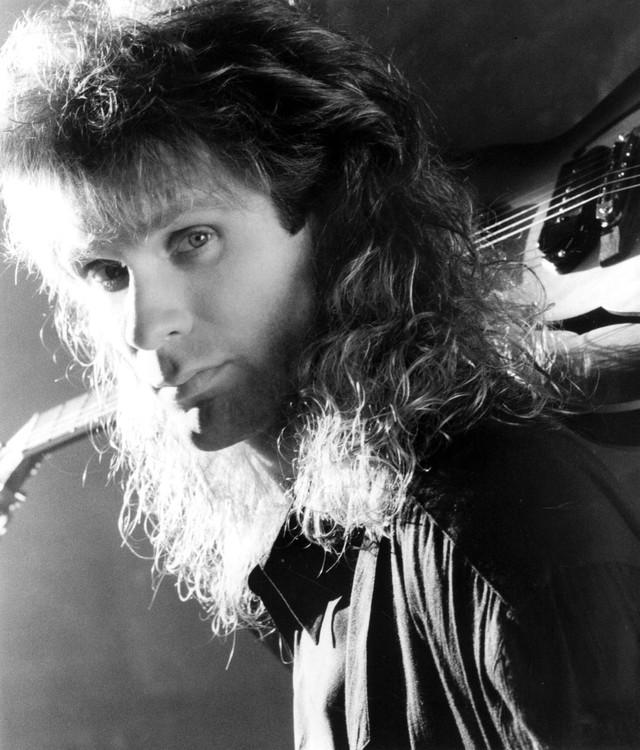
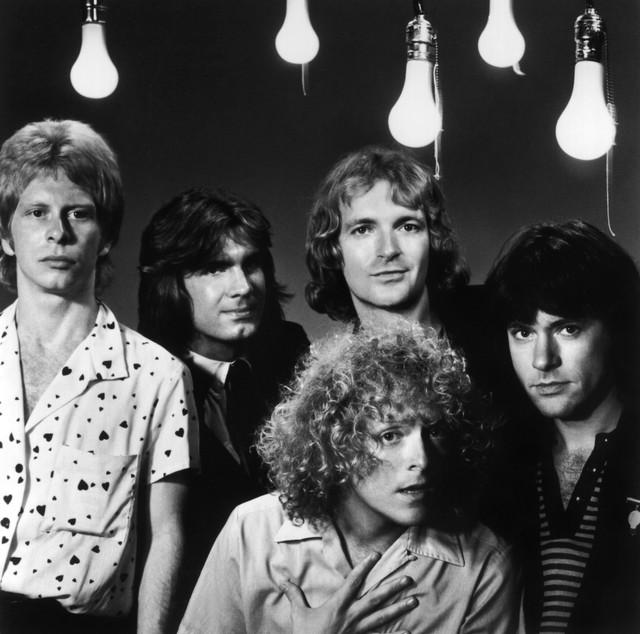
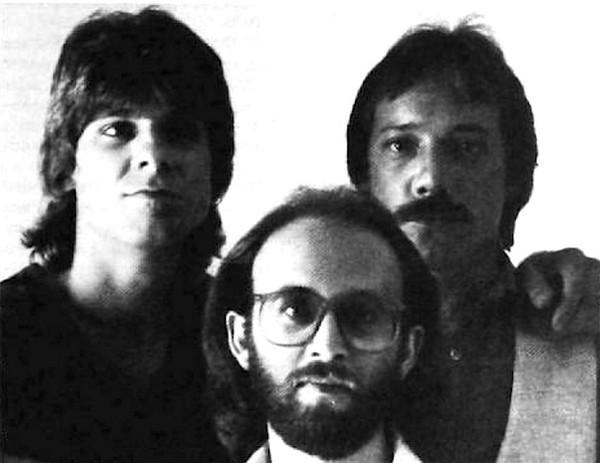
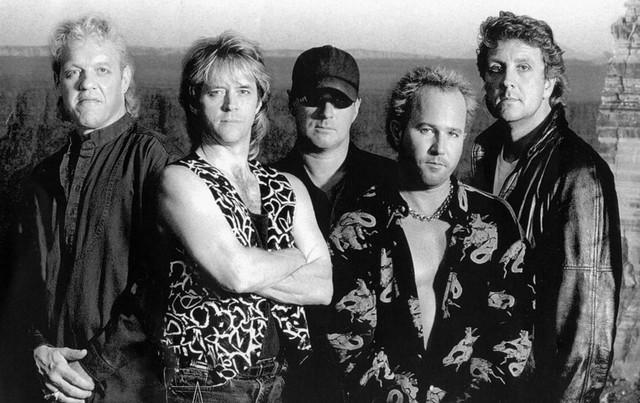
Martin Briley’s Spotify BioAlthough probably best known for his '80s hit "The Salt in My Tears," Martin Briley has had a long and varied career as a backup musician and songwriter. Hailing from the U.K., Briley was a founding member of the band Mandrake Paddlesteamer (later shortened to Mandrake), serving as the act's lead guitarist for four years until 1971. In 1974, he joined the progressive rock outfit Greenslade for a U.S. tour and would remain with them for two years, appearing on 1975's Time & Tide set. When Greenslade disbanded, Briley moved to New York City to seek his fortune. He managed to find work as a session musician, appearing on a number of albums during the late '70s, most notably playing bass on Night Out, a 1979 release by Meat Loaf's "Paradise By the Dashboard Light" duet partner, Ellen Foley. He would also join Ian Hunter's band during this period, appearing on several records and touring with him. When Hunter's output and live schedule lessened in the early '80s, Briley was given an… opportunity as a solo artist, releasing Fear of the Unknown in 1981.
However, it would be two years later, with the issuance of One Night With a Stranger, before Briley found his way into the spotlight. "The Salt in My Tears" managed to eke its way into the lower reaches of the U.S. Top 40 charts, performing even better on more rock-oriented stations. There was no follow-up in the offing, although the atmospheric "Put Your Hands on the Screen" also found some favor with AOR listeners. However, 1985's Dangerous Moments came and went with little fanfare. Since them, Briley has continued to be a sideman, performing on albums by acts like Celine Dion and Willie Nile. Additionally, his songs have been recorded by a variety of artists, including Jeff Healey, Night Ranger, Kenny Loggins, and *NSYNC. ~ Tom Demalon, Rovi
Viberate is a music analytics platform built for A&Rs, artist managers, labels, booking agents, marketers, and artists.
It helps music professionals track artist growth, analyze audience data, monitor playlist activity, compare artists, follow song performance, and identify opportunities across the music market.
Public artist pages provide a free preview of selected artist data. Paid plans provide access to deeper analytics, historical data, charts, comparisons, playlist tools, exports, alerts, reports, and additional professional features.
Yes. Public Viberate artist pages provide selected artist analytics and music data for free.
Viberate also offers a 7-day free trial of the full platform. A credit card is required to start the trial. The trial includes access to the complete product so users can test deeper artist analytics, historical views, playlist insights, comparisons, charts, exports, alerts, and reporting features before choosing a paid plan.
Viberate provides artist analytics across streaming, playlists, social media, video, radio airplay, songs, and audience markets.
Users can analyze Spotify performance, Spotify and Apple Music playlists, YouTube activity, TikTok and Instagram growth, radio spins, song performance, audience locations, demographics, rankings, and overall artist momentum.
Artist profiles also connect to music charts, similar artists, and comparison tools, helping users benchmark performance and evaluate artists in context.
Viberate updates key artist and track data daily.
For followed artists and tracks, selected data is refreshed multiple times per day. This helps teams monitor playlist changes, streaming movement, audience growth, releases, and campaign performance with more current data.
Update frequency can vary depending on the metric and data source.
Yes. Viberate lets users compare up to five artists side by side across streaming, social media, audience, and engagement metrics.
Users can compare fanbase growth, audience demographics, locations, Spotify performance, social metrics, and other artist data over selected time periods.
Artist comparison can be used for A&R scouting, benchmarking, booking decisions, campaign planning, and evaluating artists with similar audiences or market positions.