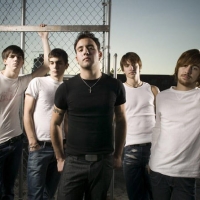
October Fall

Punk
Pop Punk
Pop Rock
 Viberate Rank: 419351
 Viberate Rank: 419351
 Monthly ListenersFollowers
 Subscribers
 Followers
 Followers
 FansTop Spotify Songs
| Track | 7-Day Streams | |
|---|---|---|
1 | 1.17K | |
2 | 873 | |
3 | 322 | |
4 | 154 | |
5 | 89 |
Top YouTube VideosMonthly ListenersFeatured in Playlists| Playlist | Followers | |
|---|---|---|
1 |  uPBEAt hAPPy mUSIc kaleb.dedrick | 13.13K |
2 | 2000’s Emo Nostalgia Cohvey | 10.68K |
3 |  myspace 2006-2008 jestine | 8.25K |
4 |  Hollister 2005-2008 rectaj | 6.43K |
5 |  The Ultimate Work Safe Mix: All Decades & Genres stellarview | 4.33K |
Audience| City | Monthly Listeners | |
|---|---|---|
1 | | 144 |
2 | | 91 |
3 | | 77 |
4 |  | 60 |
5 | | 60 |
See full performance history, audience data, playlist activity, rankings, comparisons, and more in Viberate music analytics. Start with a free trial, then continue with a paid plan.
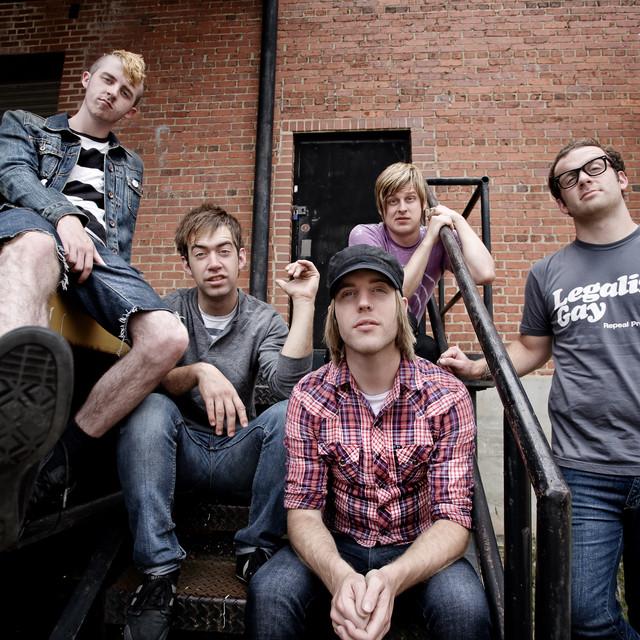
October Fall’s Spotify BioA spawn of the fertile Chicago pop-punk scene of the 2000s, the piano-laced quintet October Fall came together in the summer of 2003. Kindred spirits Pat D'Andrea (vocals/guitar) and Clark Harrison (guitar) were the group's initial members, jamming together under the name Silver Lining. Before long the duo had adopted the October Fall moniker and added the rest of the band's roster: drummer Nick Scalise, pianist Owen Toomey, and bassist Greg Shanahan. As gigs around town began drawing more and more people, the group inevitably turned the head of Chicago native Pete Wentz (Fall Out Boy) and was soon signed to his label, Decaydance (an imprint of Fueled by Ramen). First touring around as openers for Ashlee Simpson, October Fall began recording their full-length debut in the summer of 2005. That winter was spent on dates with the Click Five before A Season in Hell -- titled such as homage to the movie Eddie and the Cruisers, which was a childhood favorite of D'Andrea -- was released in… February 2006. Back on the road with bands like the Veronicas and Fall Out Boy, the guys continued to tour through the spring, though Toomey had left the band by early summer. ~ Corey Apar, Rovi
Viberate is a music analytics platform built for A&Rs, artist managers, labels, booking agents, marketers, and artists.
It helps music professionals track artist growth, analyze audience data, monitor playlist activity, compare artists, follow song performance, and identify opportunities across the music market.
Public artist pages provide a free preview of selected artist data. Paid plans provide access to deeper analytics, historical data, charts, comparisons, playlist tools, exports, alerts, reports, and additional professional features.
Yes. Public Viberate artist pages provide selected artist analytics and music data for free.
Viberate also offers a 7-day free trial of the full platform. A credit card is required to start the trial. The trial includes access to the complete product so users can test deeper artist analytics, historical views, playlist insights, comparisons, charts, exports, alerts, and reporting features before choosing a paid plan.
Viberate provides artist analytics across streaming, playlists, social media, video, radio airplay, songs, and audience markets.
Users can analyze Spotify performance, Spotify and Apple Music playlists, YouTube activity, TikTok and Instagram growth, radio spins, song performance, audience locations, demographics, rankings, and overall artist momentum.
Artist profiles also connect to music charts, similar artists, and comparison tools, helping users benchmark performance and evaluate artists in context.
Viberate updates key artist and track data daily.
For followed artists and tracks, selected data is refreshed multiple times per day. This helps teams monitor playlist changes, streaming movement, audience growth, releases, and campaign performance with more current data.
Update frequency can vary depending on the metric and data source.
Yes. Viberate lets users compare up to five artists side by side across streaming, social media, audience, and engagement metrics.
Users can compare fanbase growth, audience demographics, locations, Spotify performance, social metrics, and other artist data over selected time periods.
Artist comparison can be used for A&R scouting, benchmarking, booking decisions, campaign planning, and evaluating artists with similar audiences or market positions.