Powerspace

Punk
Pop Punk
 Viberate Rank: 521914
 Viberate Rank: 521914
 Monthly ListenersFollowers
 Subscribers
 Followers
 Followers
 FansTop Spotify Songs
| Track | 7-Day Streams | |
|---|---|---|
1 | 215 | |
2 | 206 | |
3 | 38 | |
4 | 37 | |
5 | 27 |
Top YouTube VideosMonthly ListenersFeatured in Playlists| Playlist | Followers | |
|---|---|---|
1 | blink-182, Sum 41 and More... Sum dude | 21.20K |
2 |  Scene Kid MySpace Throwbacks Kitty Voorhees | 11.83K |
3 | Pop Punk Nostalgia teymonster | 6.77K |
4 |  Hollister 2005-2008 rectaj | 6.43K |
5 | Fueled By Ramen James Wehr | 5.96K |
Audience| City | Monthly Listeners | |
|---|---|---|
1 | | 43 |
2 | | 22 |
3 | | 20 |
4 | | 16 |
5 | | 15 |
See full performance history, audience data, playlist activity, rankings, comparisons, and more in Viberate music analytics. Start with a free trial, then continue with a paid plan.
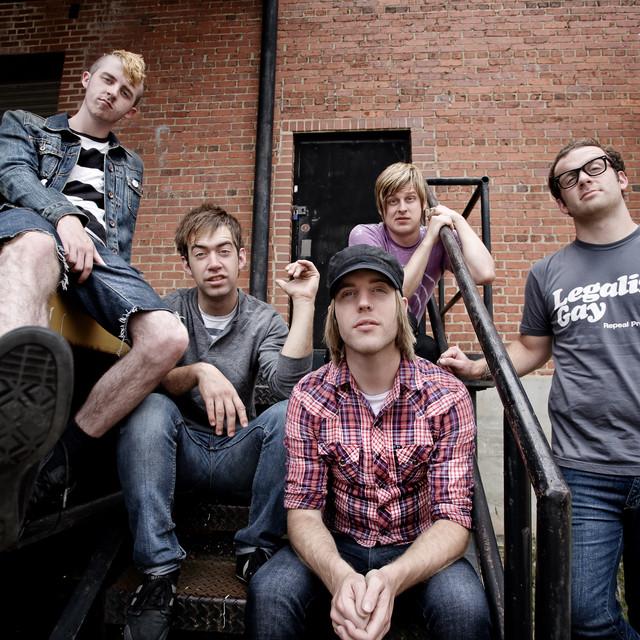
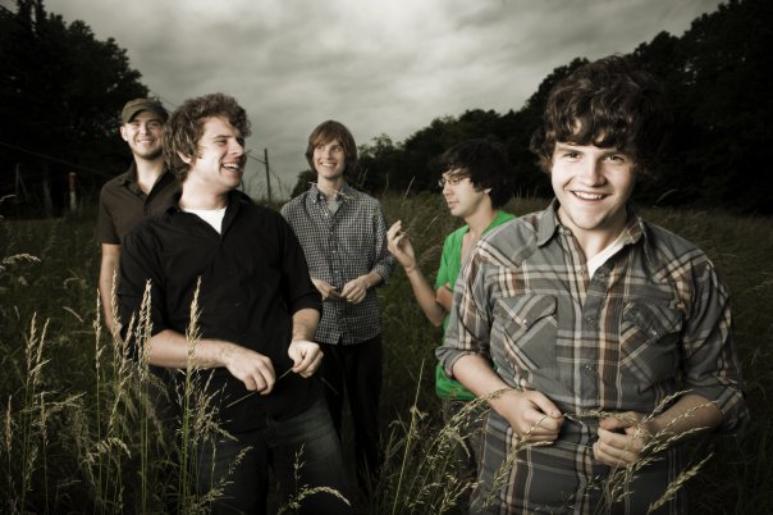
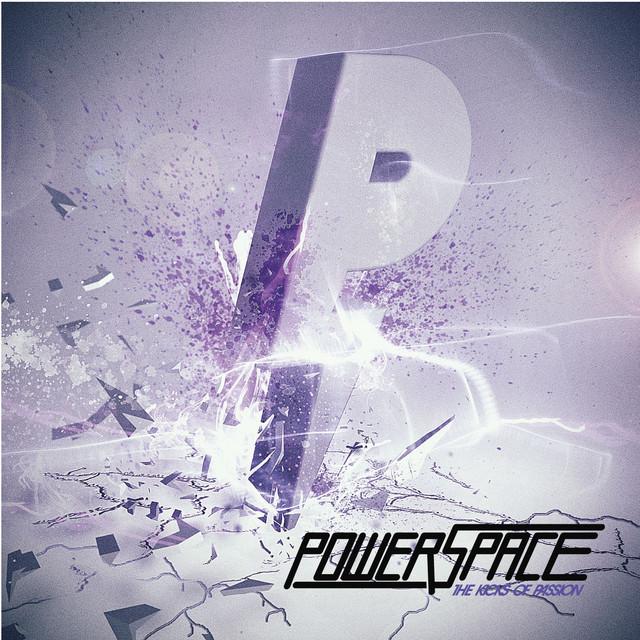
Powerspace’s Spotify BioAlthough Ohio-bred, Chicago-based indie rockers Powerspace are part of the same Fueled by Ramen empire that unleashed Fall Out Boy, Panic! at the Disco, and The Academy Is..., the young quartet features a subtle change from the emo-tinged punk-pop that made the label's name. Powerspace specialize in a cross between hooky power pop à la Fountains of Wayne, ironic glam metal in the tradition of the Darkness, and heavily '80s-influenced dance-rock textures that recall early MTV stars like INXS and Duran Duran. Powerspace formed at Ohio's Miami University in 2005, when two high-school friends from the suburbs of Chicago, guitarist Tom Schleiter and bassist Daniel McMahon, reunited on campus. Schleiter had been in a local band at Miami University with drummer Kevin Kane, and when the slightly younger McMahon started college a year later, the trio formed its own group. After auditioning a succession of lead singers, McMahon and Schleiter reconnected with another former high-school classmate… now at Miami University, Alec Cyganowski, who took over the role of frontman. After working the southern Ohio tour circuit, the quartet recorded a self-released demo EP, Houston, We Have a Party, in 2006. The demo and the band's increasing live reputation created a flurry of label interest, settled when Powerspace signed with Fueled by Ramen. Quitting school and moving back to Chicago, Powerspace recorded their debut album, The Kicks of Passion, in early 2007 for release that summer. ~ Stewart Mason, Rovi
Viberate is a music analytics platform built for A&Rs, artist managers, labels, booking agents, marketers, and artists.
It helps music professionals track artist growth, analyze audience data, monitor playlist activity, compare artists, follow song performance, and identify opportunities across the music market.
Public artist pages provide a free preview of selected artist data. Paid plans provide access to deeper analytics, historical data, charts, comparisons, playlist tools, exports, alerts, reports, and additional professional features.
Yes. Public Viberate artist pages provide selected artist analytics and music data for free.
Viberate also offers a 7-day free trial of the full platform. A credit card is required to start the trial. The trial includes access to the complete product so users can test deeper artist analytics, historical views, playlist insights, comparisons, charts, exports, alerts, and reporting features before choosing a paid plan.
Viberate provides artist analytics across streaming, playlists, social media, video, radio airplay, songs, and audience markets.
Users can analyze Spotify performance, Spotify and Apple Music playlists, YouTube activity, TikTok and Instagram growth, radio spins, song performance, audience locations, demographics, rankings, and overall artist momentum.
Artist profiles also connect to music charts, similar artists, and comparison tools, helping users benchmark performance and evaluate artists in context.
Viberate updates key artist and track data daily.
For followed artists and tracks, selected data is refreshed multiple times per day. This helps teams monitor playlist changes, streaming movement, audience growth, releases, and campaign performance with more current data.
Update frequency can vary depending on the metric and data source.
Yes. Viberate lets users compare up to five artists side by side across streaming, social media, audience, and engagement metrics.
Users can compare fanbase growth, audience demographics, locations, Spotify performance, social metrics, and other artist data over selected time periods.
Artist comparison can be used for A&R scouting, benchmarking, booking decisions, campaign planning, and evaluating artists with similar audiences or market positions.