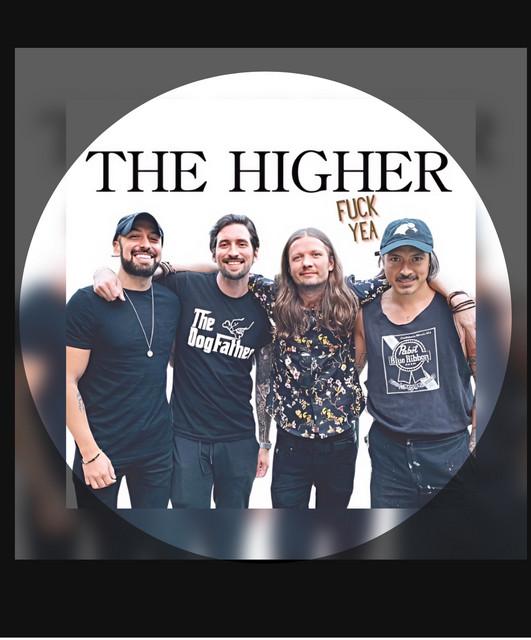
Sing It Loud

Punk
Punk Rock
Indie Pop
 Viberate Rank: 182414
 Viberate Rank: 182414
 Monthly ListenersFollowers
 Subscribers
 Followers
 Followers
 FansTop Spotify Songs
| Track | 7-Day Streams | |
|---|---|---|
1 | 4.52K | |
2 | 1.47K | |
3 | 797 | |
4 | 764 | |
5 | 304 |
Top YouTube VideosMonthly ListenersFeatured in Playlists| Playlist | Followers | |
|---|---|---|
1 |  Pop Punk Throwback Bangers - 2000s Emo Punk Rock Hits Ray Fontaine | 89.56K |
2 | 2000's Emo & Pop Punk Jorden Z | 53.69K |
3 | Pop Punk & Alt. Metal alwaysdestroy | 36.06K |
4 | Emo / Punk / Rock / Alternative 2001 - 2009 Lydia B. | 14.53K |
5 |  Emo Throwback LIFE OR DEATH | 13.57K |
Audience| City | Monthly Listeners | |
|---|---|---|
1 | | 344 |
2 | | 273 |
3 | | 236 |
4 | | 197 |
5 | | 196 |
See full performance history, audience data, playlist activity, rankings, comparisons, and more in Viberate music analytics. Start with a free trial, then continue with a paid plan.
Sing It Loud’s Spotify BioSing It Loud grew out of a friendship between cousins vocalist Pat Brown and guitarist Kieren Smith, who founded the group together and added members whom they met locally in the Minneapolis music scene.
Sing It Loud was offered a contract with Epitaph Records after playing only seven shows together. Their debut release for Epitaph was an EP produced by Josh Cain of Motion City Soundtrack, released in March 2008. The group then toured with We the Kings, This Providence, Ludo, The Morning Light, Valencia, Every Avenue, Hit the Lights, All Time Low, Farewell, Cobra Starship, Forever the Sickest Kids, Single File, Cash Cash, Motion City Soundtrack, and others. A full-length produced by Cain and mixed by Mark Trombino was released on Epitaph on September 23, 2008. The album features guest appearances from Justin Pierre of Motion City Soundtrack and Alex Gaskarth of All Time Low. Come Around hit No. 44 on the Billboard Heatseekers chart.
The band spent the summer of 2009 on Warped Tour on the… Hurley Stage.
In April 2010, the band supported Motion City Soundtrack on their headlining US tour. Their next album, Everything Collide, containing 11 tracks it came out May 11, 2010. The album reached No. 28 on the Billboard Heatseekers chart.
On September 14, 2010, after three years as a band, the members decided to go their separate ways. The split was announced via their MySpace page. Their final show was played on October 9, 2010 at Station 4 in their hometown.
Viberate is a music analytics platform built for A&Rs, artist managers, labels, booking agents, marketers, and artists.
It helps music professionals track artist growth, analyze audience data, monitor playlist activity, compare artists, follow song performance, and identify opportunities across the music market.
Public artist pages provide a free preview of selected artist data. Paid plans provide access to deeper analytics, historical data, charts, comparisons, playlist tools, exports, alerts, reports, and additional professional features.
Yes. Public Viberate artist pages provide selected artist analytics and music data for free.
Viberate also offers a 7-day free trial of the full platform. A credit card is required to start the trial. The trial includes access to the complete product so users can test deeper artist analytics, historical views, playlist insights, comparisons, charts, exports, alerts, and reporting features before choosing a paid plan.
Viberate provides artist analytics across streaming, playlists, social media, video, radio airplay, songs, and audience markets.
Users can analyze Spotify performance, Spotify and Apple Music playlists, YouTube activity, TikTok and Instagram growth, radio spins, song performance, audience locations, demographics, rankings, and overall artist momentum.
Artist profiles also connect to music charts, similar artists, and comparison tools, helping users benchmark performance and evaluate artists in context.
Viberate updates key artist and track data daily.
For followed artists and tracks, selected data is refreshed multiple times per day. This helps teams monitor playlist changes, streaming movement, audience growth, releases, and campaign performance with more current data.
Update frequency can vary depending on the metric and data source.
Yes. Viberate lets users compare up to five artists side by side across streaming, social media, audience, and engagement metrics.
Users can compare fanbase growth, audience demographics, locations, Spotify performance, social metrics, and other artist data over selected time periods.
Artist comparison can be used for A&R scouting, benchmarking, booking decisions, campaign planning, and evaluating artists with similar audiences or market positions.