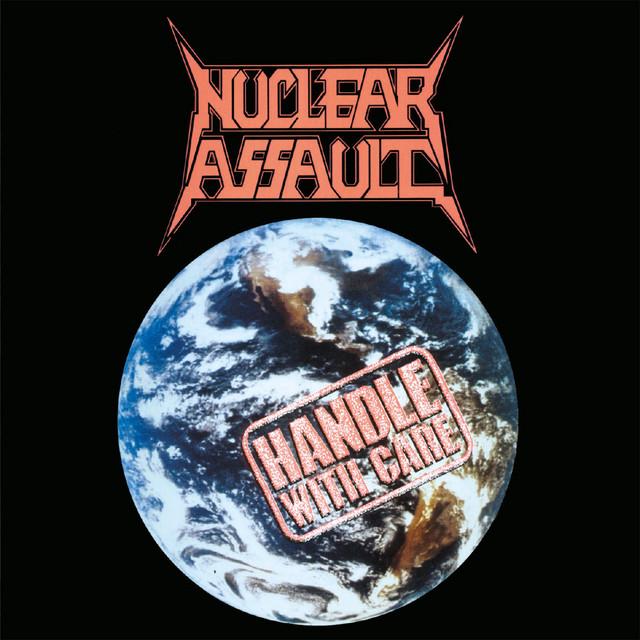
Nuclear Assault

Metal
Thrash Metal
 Viberate Rank: 51824
 Viberate Rank: 51824
 Monthly ListenersFollowers
 Subscribers
 Followers
 Followers
 FansTop Spotify Songs
| Track | 7-Day Streams | |
|---|---|---|
1 | 15.91K | |
2 | 14.70K | |
3 | 5.14K | |
4 | 4.14K | |
5 | 3.31K |
Top YouTube Videos| Video | 7-Day Views | |
|---|---|---|
1 | 3.88K | |
2 | 1.90K | |
3 | 1.44K | |
4 | 794 | |
5 | 409 |
Monthly ListenersFeatured in Playlists| Playlist | Followers | |
|---|---|---|
1 |  Thrashers Spotify | 586.86K |
2 | Best of Trash Metal Lomprdik | 86.64K |
3 |  The Sound of Everything The Sounds of Spotify | 53.81K |
4 | Shiroi The Raptor | 36.96K |
5 |  METAL WORKOUT MUSIC Thomas Skotheim | 36.77K |
Audience| City | Monthly Listeners | |
|---|---|---|
1 |  | 3.25K |
2 |  | 1.80K |
3 |  | 1.76K |
4 |  | 1.52K |
5 | | 1.09K |
See full performance history, audience data, playlist activity, rankings, comparisons, and more in Viberate music analytics. Start with a free trial, then continue with a paid plan.
Nuclear Assault’s Spotify BioNuclear Assault were among thrash metal's most socially aware groups, making room for serious subject matter (and occasional goofs) in their careening speed metal riffing. They also remained closer to the world of hardcore than most of their peers, and at their late-'80s peak released some of the most uncompromising (albeit, interesting) thrash metal offerings of the time. Sadly, because they lacked any truly commercial material, Nuclear Assault would never reach the mainstream acceptance of a Metallica, Megadeth, or even Anthrax (of the Joey Belladonna yore. After performing on Anthrax' 1984 debut Fistful of Metal, bass player Danny Lilker decided to jump ship and search for a more aggressive outlet (if you can imagine that) for his music. Subsequent to a brief reunion of sorts with Anthrax pals Scott Ian and Charlie Benante, and ex-Psychos singer Billy Milano for the hugely influential S.O.D. opus Speak English or Die, Lilker formed Nuclear Assault with vocalist and guitarist John… Connely (also briefly a member of Anthrax in its formative years) in 1985. Guitarist Mike Bogush and drummer Scott Duboys (who would later join Warrior Soul) only lasted a few months before being replaced by guitarist Anthony Bramante and ex-T.T. Quick powerhouse drummer Glenn Evans. One of the Big Apple's few challengers (along with Anthrax and Overkill) to the Bay Area dominance of all things thrash metal, Nuclear Assault became immediate contenders due to the cumulative sum of its parts -- not to mention, their extreme nature and their ability to back it up with solid musicianship. Produced by metal stalwart Alex Perialas, their first album, 1986's Game Over, was regarded as a breath of fresh air with its potent speed metal tinged with hardcore overtones. In the process, fans and critics alike instantly accepted it and the band was quickly off to the races.
The following year's The Plague E.P. was an even more intense aural experience, but also managed to introduce Nuclear Assault's dark sense of humor with an ode to Mötley Crüe singer Vince Neil (fresh off his vehicular manslaughter rap) on "Butt Fuck" (later retitled "You Figure It Out"). With constant touring making up for their obvious commercial limitations, the band continued to hone their craft in the studio, beginning with 1988's greatly improved Survive and culminating in 1989's outstanding Handle With Care. The latter proved that the group could refine their political speed metal and songwriting without compromising their anti-establishment stance, and was supported by successful Euro tours with thrash titans Exodus, and later U.S. jaunts with Testament and Savatage. 1990s Live at Hammersmith Odeon video celebrated this great phase, and the band came off the road having won a healthy dose of new believers.
But just as they were begin to gather serious momentum, Nuclear Assault seemed to lose interest in the mission at hand. They faltered with 1991's disappointing Out of Order, which lacked the continuity of previous efforts and signaled the beginning of the end for the quartet. Lilker would soon quit to pursue his extreme death metal side project Brutal Truth. Due to inner-band squabbling of Connely and Bramante, the latter would eventually fall out and jump ship as well. A revamped lineup featuring Connely and Evans (rounded out by new guitarist Dave DiPietro and bassist Scott Metaxas) did make it back for one more round, releasing the somewhat more coherent Something Wicked in 1993. Consequently, Wicked's less radical power metal sound did little to rekindle the band's once high-standing presence on the scene and, in fact, ended up alienating most of their remaining hardcore fan base. Nuclear Assault's accelerated demise proved inevitable soon thereafter. Connely and Evans would both go on to form new projects in Nuclear Theory and the guilty pleasure C.I.A., respectively. ~ Eduardo Rivadavia & John Franck, Rovi
Viberate is a music analytics platform built for A&Rs, artist managers, labels, booking agents, marketers, and artists.
It helps music professionals track artist growth, analyze audience data, monitor playlist activity, compare artists, follow song performance, and identify opportunities across the music market.
Public artist pages provide a free preview of selected artist data. Paid plans provide access to deeper analytics, historical data, charts, comparisons, playlist tools, exports, alerts, reports, and additional professional features.
Yes. Public Viberate artist pages provide selected artist analytics and music data for free.
Viberate also offers a 7-day free trial of the full platform. A credit card is required to start the trial. The trial includes access to the complete product so users can test deeper artist analytics, historical views, playlist insights, comparisons, charts, exports, alerts, and reporting features before choosing a paid plan.
Viberate provides artist analytics across streaming, playlists, social media, video, radio airplay, songs, and audience markets.
Users can analyze Spotify performance, Spotify and Apple Music playlists, YouTube activity, TikTok and Instagram growth, radio spins, song performance, audience locations, demographics, rankings, and overall artist momentum.
Artist profiles also connect to music charts, similar artists, and comparison tools, helping users benchmark performance and evaluate artists in context.
Viberate updates key artist and track data daily.
For followed artists and tracks, selected data is refreshed multiple times per day. This helps teams monitor playlist changes, streaming movement, audience growth, releases, and campaign performance with more current data.
Update frequency can vary depending on the metric and data source.
Yes. Viberate lets users compare up to five artists side by side across streaming, social media, audience, and engagement metrics.
Users can compare fanbase growth, audience demographics, locations, Spotify performance, social metrics, and other artist data over selected time periods.
Artist comparison can be used for A&R scouting, benchmarking, booking decisions, campaign planning, and evaluating artists with similar audiences or market positions.