Forbidden

Metal
Thrash Metal
 Viberate Rank: 74197
 Viberate Rank: 74197
 Monthly ListenersFollowers
 Subscribers
 Followers
 Followers
 FansTop Spotify Songs
| Track | 7-Day Streams | |
|---|---|---|
1 | 5.69K | |
2 | 4.84K | |
3 | 4.26K | |
4 | 3.29K | |
5 | 2.62K |
Top YouTube VideosMonthly ListenersFeatured in Playlists| Playlist | Followers | |
|---|---|---|
1 |  Thrashers Spotify | 586.86K |
2 | Best of Trash Metal Lomprdik | 86.64K |
3 |  Greatest Metal Songs of All Time Jake Smith | 37.28K |
4 |  FENRIZ METAL Gylve | 32.35K |
5 |  ⛓️DARK TECHNO | HARD TECHNO | ACID⛓️ Alexander Löser | 25.55K |
Audience| City | Monthly Listeners | |
|---|---|---|
1 |  | 1.78K |
2 |  | 1.40K |
3 |  | 786 |
4 |  | 774 |
5 |  | 710 |
See full performance history, audience data, playlist activity, rankings, comparisons, and more in Viberate music analytics. Start with a free trial, then continue with a paid plan.
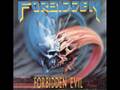
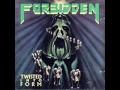
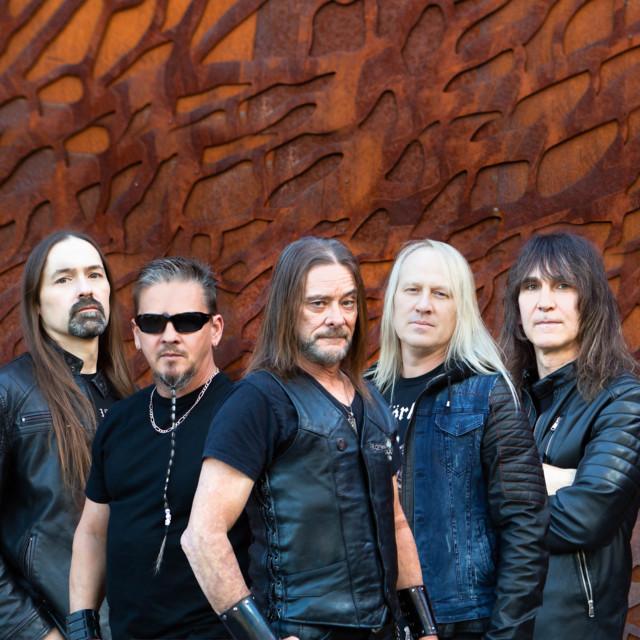
Forbidden’s Spotify BioFounded in 1985 as Forbidden Evil by guitarists Craig Locicero, Robb Flynn and singer Russ Anderson, the band started out playing house parties and Bay Area clubs. After a few of lineup changes in 1986, drummer Paul Bostaph, bassist Matt Camacho, and guitarist Glen Alvelais, the band quickly rose through the ranks of Bay Area Thrash to gain a following and notoriety, and soon after signed with Combat Records. During the recording of their 1988 release ‘Forbidden Evil’ the band took the “Evil” out of the name. Their second release, ’Twisted Into Form’, (1990) landed then more critical acclaim, supporting it touring with fellow Bay Area Thrash band, Death Angel.
Forbidden began working on their 3rd offering which eventually became 1994's "Distortion". The band toured supporting the release with the likes of Testament and Malevolent Creation. The climate or thrash in the 1990's left the band frustrated like many at the time, but they delivered 4th album, ‘Green’, in 1996. They eventually… broke up in 1997, remaining dormant until reuniting in 2008. The band released their 2010 album ‘Omega Wave' touring in support of it with Overkill.
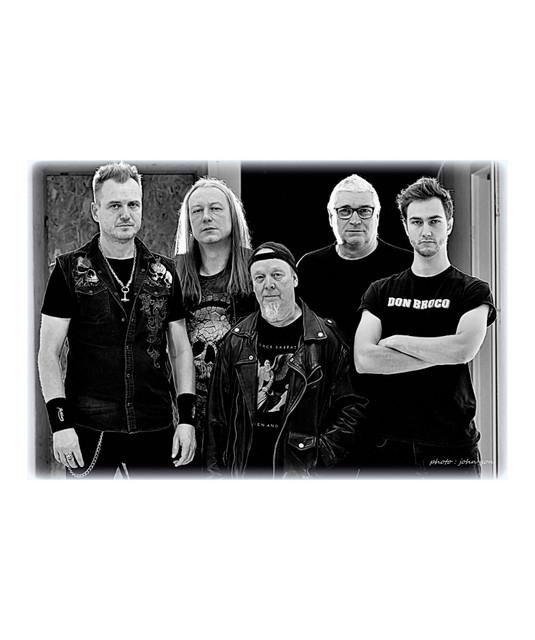
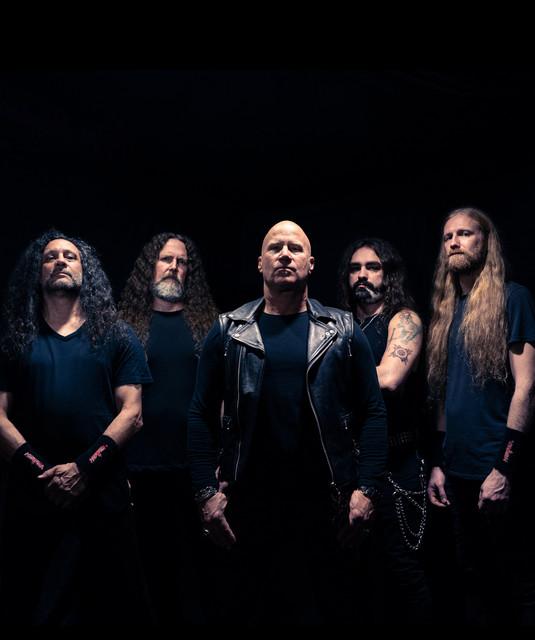
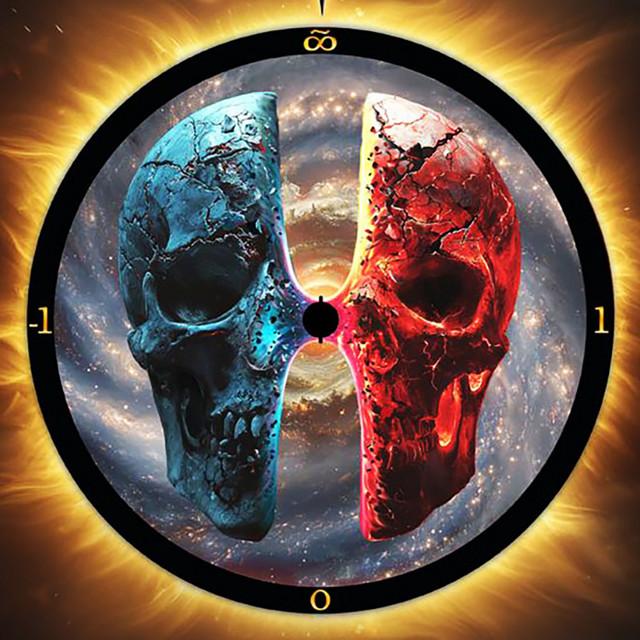
In 2023 Forbidden reformed reborn with original members Craig Locicero & Matt Camacho, Bay Area vocalist Norman Skinner, drummer Chris Kontos, and in 2024 guitarist Dan Mongrain of Voivod. This new chapter has brought some of their most incredible songwriting yet, with the first new single "Divided By Zero", teaser for new music coming in 2026!
Viberate is a music analytics platform built for A&Rs, artist managers, labels, booking agents, marketers, and artists.
It helps music professionals track artist growth, analyze audience data, monitor playlist activity, compare artists, follow song performance, and identify opportunities across the music market.
Public artist pages provide a free preview of selected artist data. Paid plans provide access to deeper analytics, historical data, charts, comparisons, playlist tools, exports, alerts, reports, and additional professional features.
Yes. Public Viberate artist pages provide selected artist analytics and music data for free.
Viberate also offers a 7-day free trial of the full platform. A credit card is required to start the trial. The trial includes access to the complete product so users can test deeper artist analytics, historical views, playlist insights, comparisons, charts, exports, alerts, and reporting features before choosing a paid plan.
Viberate provides artist analytics across streaming, playlists, social media, video, radio airplay, songs, and audience markets.
Users can analyze Spotify performance, Spotify and Apple Music playlists, YouTube activity, TikTok and Instagram growth, radio spins, song performance, audience locations, demographics, rankings, and overall artist momentum.
Artist profiles also connect to music charts, similar artists, and comparison tools, helping users benchmark performance and evaluate artists in context.
Viberate updates key artist and track data daily.
For followed artists and tracks, selected data is refreshed multiple times per day. This helps teams monitor playlist changes, streaming movement, audience growth, releases, and campaign performance with more current data.
Update frequency can vary depending on the metric and data source.
Yes. Viberate lets users compare up to five artists side by side across streaming, social media, audience, and engagement metrics.
Users can compare fanbase growth, audience demographics, locations, Spotify performance, social metrics, and other artist data over selected time periods.
Artist comparison can be used for A&R scouting, benchmarking, booking decisions, campaign planning, and evaluating artists with similar audiences or market positions.