No Use For A Name

Punk
Punk Rock
Skate Punk
Hard Rock
 Viberate Rank: 41450
 Viberate Rank: 41450
 Monthly ListenersFollowers
 Subscribers
 Followers
 Followers
 FansTop Spotify Songs
| Track | 7-Day Streams | |
|---|---|---|
1 | 28.25K | |
2 | 26.91K | |
3 | 26.91K | |
4 | 25.92K | |
5 | 19.68K |
Top YouTube Videos| Video | 7-Day Views | |
|---|---|---|
1 | 4.64K | |
2 | 3.66K | |
3 | 2.87K | |
4 | 1.95K | |
5 | 1.53K |
Monthly ListenersFeatured in Playlists| Playlist | Followers | |
|---|---|---|
1 |  Punk Rock - by 23punk 23punk | 87.77K |
2 | 90's/00's Alternative Rock dolphinsfan49 | 44.63K |
3 |  Teenage Dirtbag | Skate. Punk. Rock. Filtr UK | 42.38K |
4 |  Best Of Pop Punk Hopeless Records | 41.94K |
5 |  Watch Dogs 2 PlayStation®️ | 33.73K |
Audience| City | Monthly Listeners | |
|---|---|---|
1 |  | 8.05K |
2 |  | 5.65K |
3 |  | 5.64K |
4 |  | 4.83K |
5 | | 4.20K |
See full performance history, audience data, playlist activity, rankings, comparisons, and more in Viberate music analytics. Start with a free trial, then continue with a paid plan.
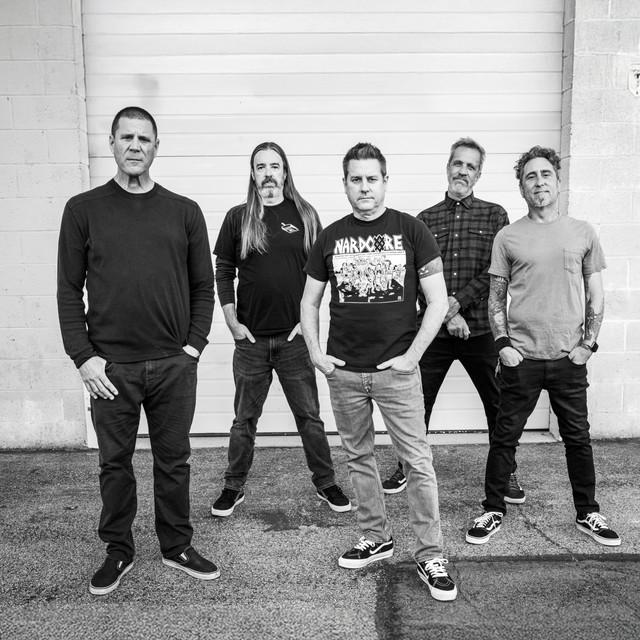
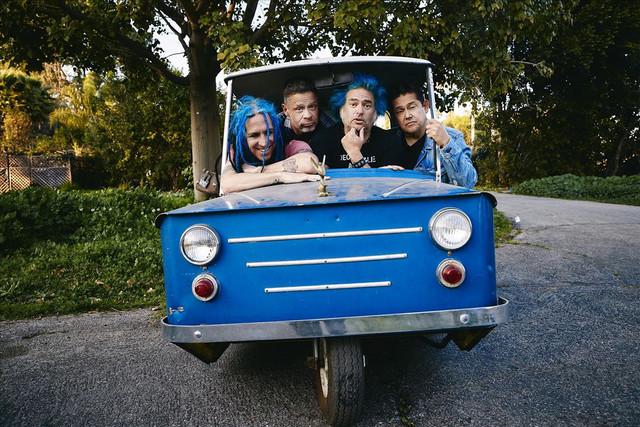
No Use For A Name’s Spotify BioHardcore punks No Use for a Name formed in Sunnyvale, California, in 1987, originally comprising singer/guitarist Tony Sly, guitarist Chris Dodge, bassist Steve Papoutsis, and drummer Rory Koff. Making their recorded debut later that year with "Turn It Around" -- their contribution to a double 7" released by Maximum Rocknroll magazine -- NUFAN next resurfaced in 1989 with the single "Let 'Em Out," followed a year later by their full-length debut, Incognito. After 1991's Don't Miss the Train, the group signed with Fat Wreck Chords for 1993's The Daily Grind; lineup changes regularly plagued No Use for a Name, and by the middle of the decade only Sly and Koff remained from the original roster. After 1994's Leche con Carne, the band kept a relatively low profile before resurfacing three years later with Making Friends, recorded with new guitarist Chris Shiflett and bassist Matt Riddle.
Shortly after completing 1999's More Betterness!, Shiflett exited NUFAN to join the Foo Fighters; he was… replaced by former Suicidal Tendencies guitarist Dave Nassie. The NRA Years followed in 2000, and the following tour was promoted with a live album a few months later. The band stepped back into the studio at the end of 2001 and reappeared the next year with Hard Rock Bottom. Sly issued a split acoustic album, aptly titled Acoustic, with Lagwagon's Joey Cape in 2004 before Keep Them Confused followed for NUFAN in 2005. The band's ninth studio release, The Feel Good Record of the Year, was recorded at the Blasting Room studio with producer Bill Stevenson and released in April 2008. Nassie parted ways with the band soon after, replaced by Lagwagon guitarist Chris Rest. Koff left as well, his slot filled by Boz Rivera.
Tony Sly passed away on July 31, 2012, at the age of 41. Months later, the band reunited with Nassie and Koff for a tribute concert. Although they later reconvened for a Fat Wreck Chords anniversary show in 2015, it would effectively be the end for the band. In 2017, Fat Wreck Chords issued Rarities, Vol. 1: The Covers, which featured the band's takes on songs by the Misfits, Sublime, Social Distortion, Kiss, and Cheap Trick. ~ Jason Ankeny, Rovi
Viberate is a music analytics platform built for A&Rs, artist managers, labels, booking agents, marketers, and artists.
It helps music professionals track artist growth, analyze audience data, monitor playlist activity, compare artists, follow song performance, and identify opportunities across the music market.
Public artist pages provide a free preview of selected artist data. Paid plans provide access to deeper analytics, historical data, charts, comparisons, playlist tools, exports, alerts, reports, and additional professional features.
Yes. Public Viberate artist pages provide selected artist analytics and music data for free.
Viberate also offers a 7-day free trial of the full platform. A credit card is required to start the trial. The trial includes access to the complete product so users can test deeper artist analytics, historical views, playlist insights, comparisons, charts, exports, alerts, and reporting features before choosing a paid plan.
Viberate provides artist analytics across streaming, playlists, social media, video, radio airplay, songs, and audience markets.
Users can analyze Spotify performance, Spotify and Apple Music playlists, YouTube activity, TikTok and Instagram growth, radio spins, song performance, audience locations, demographics, rankings, and overall artist momentum.
Artist profiles also connect to music charts, similar artists, and comparison tools, helping users benchmark performance and evaluate artists in context.
Viberate updates key artist and track data daily.
For followed artists and tracks, selected data is refreshed multiple times per day. This helps teams monitor playlist changes, streaming movement, audience growth, releases, and campaign performance with more current data.
Update frequency can vary depending on the metric and data source.
Yes. Viberate lets users compare up to five artists side by side across streaming, social media, audience, and engagement metrics.
Users can compare fanbase growth, audience demographics, locations, Spotify performance, social metrics, and other artist data over selected time periods.
Artist comparison can be used for A&R scouting, benchmarking, booking decisions, campaign planning, and evaluating artists with similar audiences or market positions.