Lagwagon

Punk
Punk Rock
Skate Punk
 Viberate Rank: 24981
 Viberate Rank: 24981
 Monthly ListenersFollowers
 Subscribers
 Followers
 Followers
 FansTop Spotify Songs
| Track | 7-Day Streams | |
|---|---|---|
1 | 86.54K | |
2 | 63.63K | |
3 | 36.28K | |
4 | 28.10K | |
5 | 23.98K |
Top YouTube VideosMonthly ListenersFeatured in Playlists| Playlist | Followers | |
|---|---|---|
1 |  Tony Hawk Pro Skater 2 icyjuicy | 121.43K |
2 |  Punk Rock - by 23punk 23punk | 87.77K |
3 | Tony Hawk Pro Skater ost / 1 - 4 sarahchu | 87.62K |
4 |  The Sound of Everything The Sounds of Spotify | 53.81K |
5 |  Tony Hawk's Pro Skater 1-4 Playstation Selection Rnt | 48.65K |
Audience| City | Monthly Listeners | |
|---|---|---|
1 |  | 10.56K |
2 |  | 9.44K |
3 |  | 9.32K |
4 |  | 6.39K |
5 | | 5.71K |
See full performance history, audience data, playlist activity, rankings, comparisons, and more in Viberate music analytics. Start with a free trial, then continue with a paid plan.
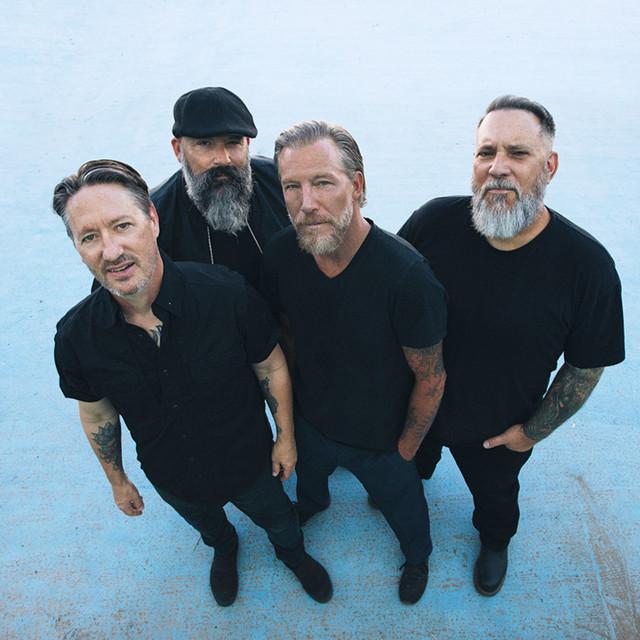
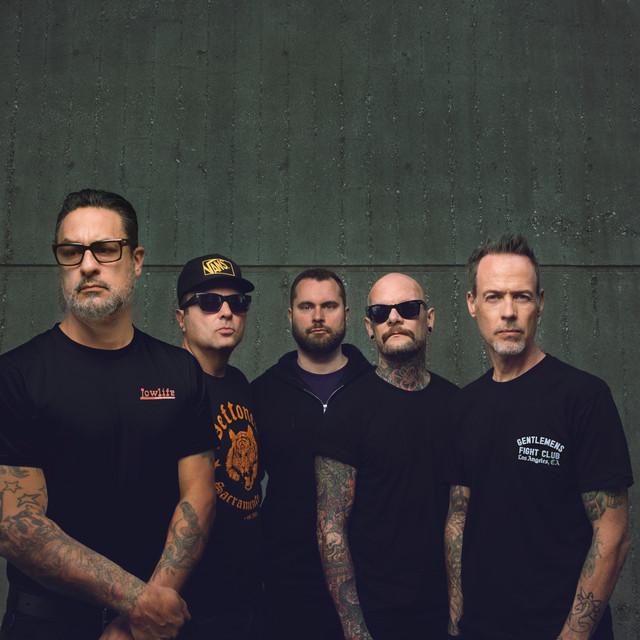
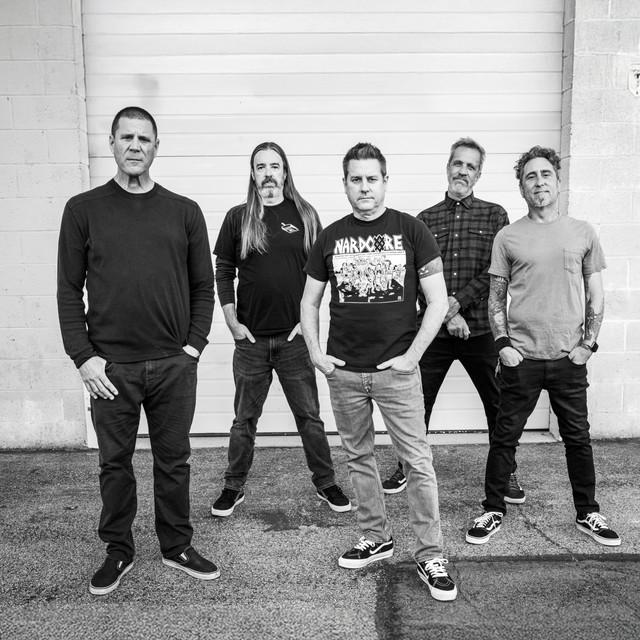
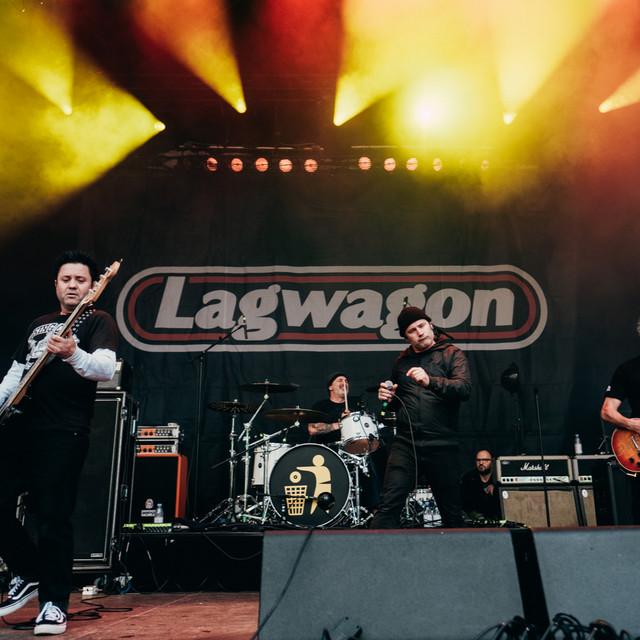
Lagwagon’s Spotify BioOne of the essential bands of the '90s SoCal punk era, Lagwagon formed in Goleta, CA in 1990. Originally called Section 8, by the time of their 1992 debut, DUH, Lagwagon was comprised of singer Joey Cape, guitarists Chris Flippin and Shawn Dewey, bassist Jesse Buglione and drummer Derrick Plourde. TRASHED followed two years later, and in 1995 they released HOSS. Plourde left the band shortly after that and was replaced by ex-Rich Kids on LSD drummer Dave Raun. Former Posies guitarist Ken Stringfellow replaced Dewey for Lagwagon's next effort, 1997's DOUBLE PLAIDINUM; he soon departed as well, and another Rich Kids alum, guitarist Chris Rest, was on board for 1998's LET'S TALK ABOUT FEELINGS. It took five years to record 2003's BLAZE - LET'S TALK ABOUT LEFTOVERS, a compilation of B-sides, outtakes, and songs both old and new appeared in 2000, but it found the group as reliable as ever, touting anthems both political and personal. Cape then issued a split acoustic album, aptly titled… ACOUSTIC, with No Use for a Name's Tony Sly in 2004. Both LIVE IN A DIVE and RESOLVE were released in 2005. The latter album was dedicated to drummer Plourde, who had committed suicide earlier in the year. After a two-year break, the band dropped I THINK MY OLDER BROTHER USED TO LISTEN TO LAGWAGON, which marked their tenth release on Fat Wreck Chords. HANG, Lagwagon's eighth full-length and first in nine years, arrived in the Fall of 2014 and the band's ninth album, RAILER, dropped in 2019.
Viberate is a music analytics platform built for A&Rs, artist managers, labels, booking agents, marketers, and artists.
It helps music professionals track artist growth, analyze audience data, monitor playlist activity, compare artists, follow song performance, and identify opportunities across the music market.
Public artist pages provide a free preview of selected artist data. Paid plans provide access to deeper analytics, historical data, charts, comparisons, playlist tools, exports, alerts, reports, and additional professional features.
Yes. Public Viberate artist pages provide selected artist analytics and music data for free.
Viberate also offers a 7-day free trial of the full platform. A credit card is required to start the trial. The trial includes access to the complete product so users can test deeper artist analytics, historical views, playlist insights, comparisons, charts, exports, alerts, and reporting features before choosing a paid plan.
Viberate provides artist analytics across streaming, playlists, social media, video, radio airplay, songs, and audience markets.
Users can analyze Spotify performance, Spotify and Apple Music playlists, YouTube activity, TikTok and Instagram growth, radio spins, song performance, audience locations, demographics, rankings, and overall artist momentum.
Artist profiles also connect to music charts, similar artists, and comparison tools, helping users benchmark performance and evaluate artists in context.
Viberate updates key artist and track data daily.
For followed artists and tracks, selected data is refreshed multiple times per day. This helps teams monitor playlist changes, streaming movement, audience growth, releases, and campaign performance with more current data.
Update frequency can vary depending on the metric and data source.
Yes. Viberate lets users compare up to five artists side by side across streaming, social media, audience, and engagement metrics.
Users can compare fanbase growth, audience demographics, locations, Spotify performance, social metrics, and other artist data over selected time periods.
Artist comparison can be used for A&R scouting, benchmarking, booking decisions, campaign planning, and evaluating artists with similar audiences or market positions.