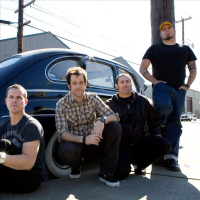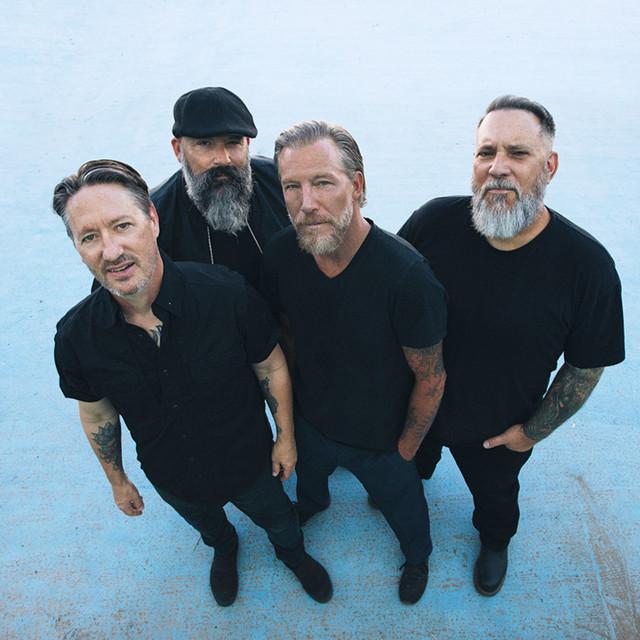
Face To Face

Punk
Punk Rock
Skate Punk
 Viberate Rank: 31503
 Viberate Rank: 31503
 Monthly ListenersFollowers
 Subscribers
 Followers
 Followers
 FansTop Spotify Songs
| Track | 7-Day Streams | |
|---|---|---|
1 | 79.86K | |
2 | 33.83K | |
3 | 20.38K | |
4 | 19.56K | |
5 | 17.05K |
Top YouTube VideosMonthly ListenersFeatured in Playlists| Playlist | Followers | |
|---|---|---|
1 |  Punk Rock - by 23punk 23punk | 87.77K |
2 | GRUNGE zerubi | 80.89K |
3 | dirrrrrty | 43.36K |
4 | Rockers workout Chris Dial | 21.55K |
5 | blink-182, Sum 41 and More... Sum dude | 21.20K |
Audience| City | Monthly Listeners | |
|---|---|---|
1 |  | 8.21K |
2 |  | 8.20K |
3 | | 7.83K |
4 |  | 5.14K |
5 |  | 4.86K |
See full performance history, audience data, playlist activity, rankings, comparisons, and more in Viberate music analytics. Start with a free trial, then continue with a paid plan.
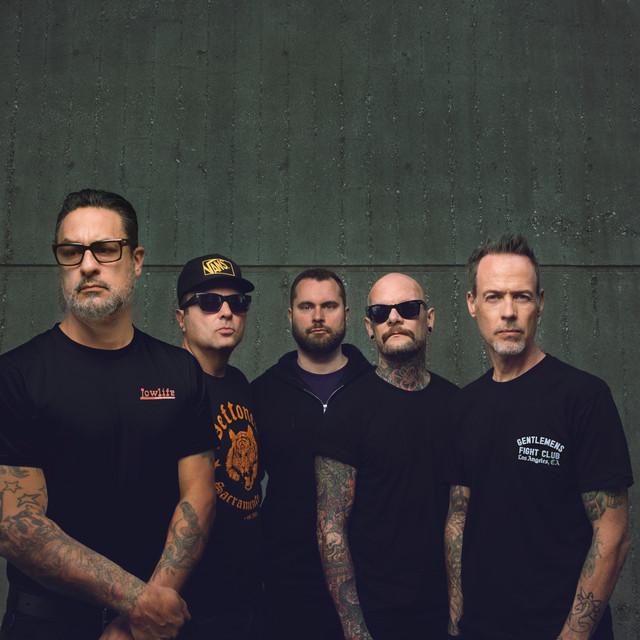
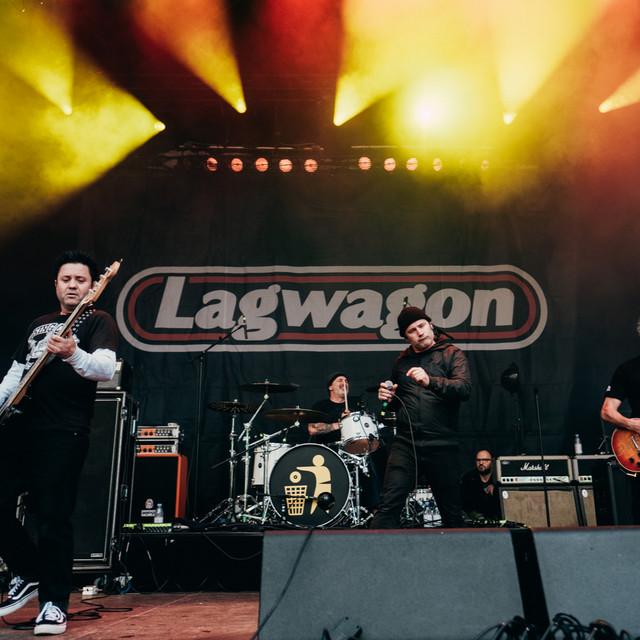
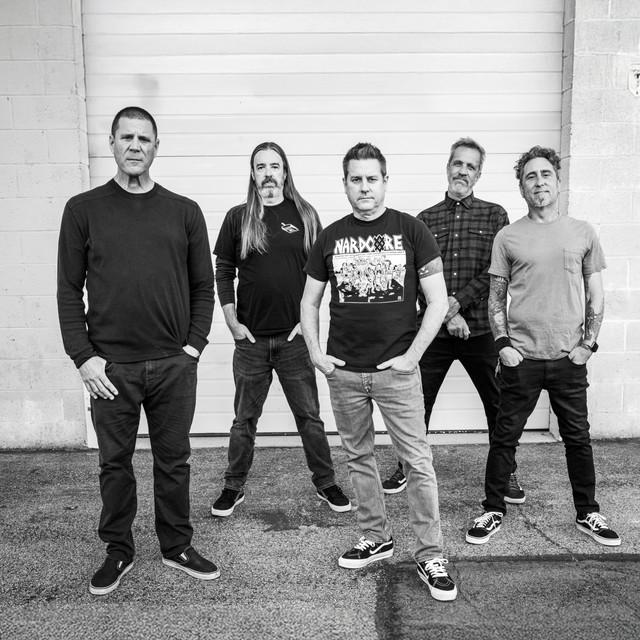
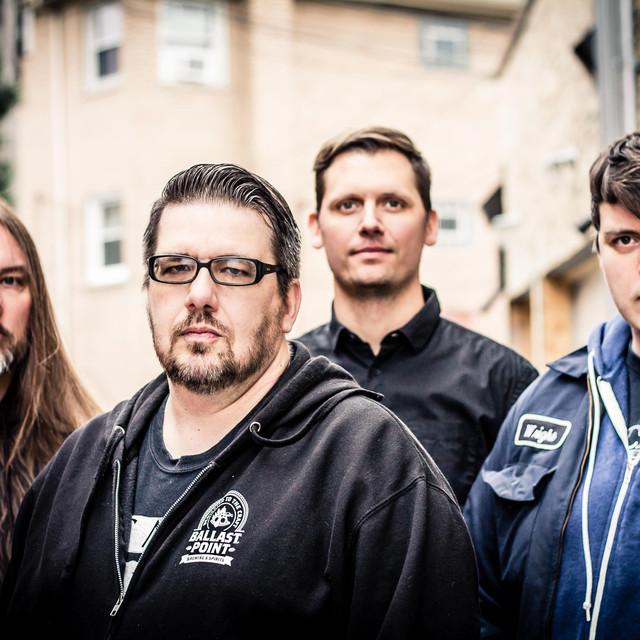
Face To Face’s Spotify BioSouthern California punk outfit Face to Face emerged in the early '90s, following in the fierce but melodic direction of contemporaries such as the Offspring, Bad Religion, Pennywise, and NOFX. Their songs were streamlined blasts of rebellious self-determination, powered by the lean, buzzy report of electric guitars, the relentless snap of the rhythm section, and the intense, passionate vocals of Trever Keith. The band's take on the SoCal punk sound as captured on their debut album, 1992's Don't Turn Away, won them an audience when "Disconnected" became a favorite on Los Angeles' KROQ-FM, and they soon made the jump to a major label. Face to Face made a significant stylistic shift with 1999's Ignorance Is Bliss, which traded speedy punk for a fuller, heavier attack informed by hard rock. It turned out to be a temporary detour, and later efforts like 2002's How to Ruin Everything, 2016's Protection, and 2021's No Way Out But Through were the work of a band striving to find fresh… perspectives on their trademark approach.
Formed in 1991, Face to Face originally comprised singer/guitarist Trever Keith, drummer Rob Kurth, and bassist Matt Riddle. The following year, they released their debut album, Don't Turn Away, on the independent Doctor Strange label. The LP came out as the label was struggling with financial woes, and as Doctor Strange was having problems keeping up with demand, the album was snapped up by Fat Wreck Chords, which wasted no time reissuing Don't Turn Away. Adding second guitarist Chad Yaro, Face to Face toured relentlessly in the months to follow, recording a series of singles and compilation tracks collected in 1994 as Over It. "Disconnected," a track from Don't Turn Away, became a local hit thanks to steady airplay on Los Angeles station KROQ, and as their profile rose, the band's next album, 1995's Big Choice, included a re-recorded version of the tune; it was initially released by the JVC-affiliated Victory Records, but was soon picked up by A&M, and sold in excess of 100,000 copies. In the wake of Matt Riddle's exit from the group, bassist Scott Shiflett signed on for Face to Face's third full-length, a self-titled release issued on A&M in 1996. They jumped labels again, moving to the BMG-distributed Beyond label for 1999's Ignorance Is Bliss, which beefed up the guitars and embraced a hard rock influence. The LP also introduced drummer Pete Parada.
The following year saw Face to Face returning to their core sound with Reactionary, released on the band's own label, Lady Luck Records, via Beyond. Through a promotion with MP3.com, Face to Face allowed fans to shape the set list for Reactionary by downloading snippets of the songs and voting which ones should make it onto the album. Nearly two million votes were received during a six-week period, and Reactionary was released on June 20, 2000. The cover album Standards & Practices -- which featured the group's own renditions of songs by the Smiths, the Pogues, Fugazi, the Jam, and others -- was issued on Vagrant in early 2001. That year also saw Keith and Shiflett join Viva Death, who released their eponymous debut in September 2002. Meanwhile, Face to Face had joined the Dropkick Murphys for a split EP, and How to Ruin Everything, the band's sixth studio album, had appeared in March 2002.
In fall 2003, Face to Face disbanded after 12 years and six albums. Two years later, the retrospective Shoot the Moon: The Essential Collection was released on Keith's Antagonist Records. In 2008, Keith announced that the lineup that recorded Ignorance Is Bliss and Reactionary would be reuniting as Face to Face. However, because of scheduling conflicts, Uprising drummer Danny Thompson would replace Pete Parada, who was touring with the Offspring. The lineup remained the same through 2015, cutting the albums Laugh Now...Laugh Later (2011) and Three Chords and a Half Truth (2013). In 2015, Dennis Hill joined the group on guitar, replacing Chad Yaro, and they returned to the Fat Wreck Chords roster.
The band's tenth LP, Protection, was issued by Fat in early 2016, featuring the single "Bent But Not Broken." A 7" single, "Say What You Want" b/w "I, Me, Mine," was released the following summer. Closing out their third decade together, Face to Face issued the retrospective Hold Fast: Acoustic Sessions in 2018, featuring ten unplugged versions of previously released favorites such as "Disconnected" and "Blind." The following year, they delivered the ninth installment of Fat's Live in a Dive series of concert LPs, which was recorded in March 2019 at Brooklyn's Saint Vitus Bar. The band returned to the studio to record 2021's No Way Out But Through, also released by Fat Wreck Chords, which was produced by Seigfried Meier. ~ Jason Ankeny & Mark Deming, Rovi
Viberate is a music analytics platform built for A&Rs, artist managers, labels, booking agents, marketers, and artists.
It helps music professionals track artist growth, analyze audience data, monitor playlist activity, compare artists, follow song performance, and identify opportunities across the music market.
Public artist pages provide a free preview of selected artist data. Paid plans provide access to deeper analytics, historical data, charts, comparisons, playlist tools, exports, alerts, reports, and additional professional features.
Yes. Public Viberate artist pages provide selected artist analytics and music data for free.
Viberate also offers a 7-day free trial of the full platform. A credit card is required to start the trial. The trial includes access to the complete product so users can test deeper artist analytics, historical views, playlist insights, comparisons, charts, exports, alerts, and reporting features before choosing a paid plan.
Viberate provides artist analytics across streaming, playlists, social media, video, radio airplay, songs, and audience markets.
Users can analyze Spotify performance, Spotify and Apple Music playlists, YouTube activity, TikTok and Instagram growth, radio spins, song performance, audience locations, demographics, rankings, and overall artist momentum.
Artist profiles also connect to music charts, similar artists, and comparison tools, helping users benchmark performance and evaluate artists in context.
Viberate updates key artist and track data daily.
For followed artists and tracks, selected data is refreshed multiple times per day. This helps teams monitor playlist changes, streaming movement, audience growth, releases, and campaign performance with more current data.
Update frequency can vary depending on the metric and data source.
Yes. Viberate lets users compare up to five artists side by side across streaming, social media, audience, and engagement metrics.
Users can compare fanbase growth, audience demographics, locations, Spotify performance, social metrics, and other artist data over selected time periods.
Artist comparison can be used for A&R scouting, benchmarking, booking decisions, campaign planning, and evaluating artists with similar audiences or market positions.