Jacobites

Rock
Indie Rock
Alternative Rock
 Viberate Rank: 351546
 Viberate Rank: 351546
 Monthly ListenersFollowers
 Subscribers
 Followers
 Followers
 FansTop Spotify Songs
| Track | 7-Day Streams | |
|---|---|---|
1 | 318 | |
2 | 254 | |
3 | 208 | |
4 | 192 | |
5 | 134 |
Top YouTube VideosMonthly ListenersFeatured in Playlists| Playlist | Followers | |
|---|---|---|
1 |  El Sótano de Radio 3 Groovyfamily | 9.84K |
2 |  the jangle pop masterlist Arielle | 5.96K |
3 |  Off Your Face anton newcombe | 5.86K |
4 |  Reflektor Viertausendhertz | 4.38K |
5 |  Neil Young - Dead Man Theme Salva Morata | 3.33K |
Audience| City | Monthly Listeners | |
|---|---|---|
1 |  | 72 |
2 | | 52 |
3 | | 49 |
4 | | 48 |
5 |  | 37 |
See full performance history, audience data, playlist activity, rankings, comparisons, and more in Viberate music analytics. Start with a free trial, then continue with a paid plan.
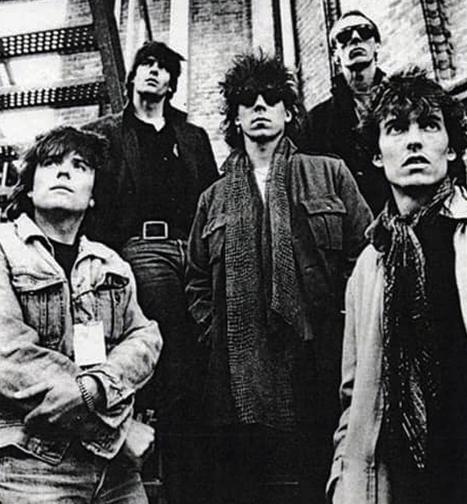
Jacobites’ Spotify BioFollowing the breakup of the seminal British post-punk outfit Swell Maps, frontman Nikki Sudden embarked on a solo career, then concurrently formed a new band called the Jacobites. Far more classicist than Swell Maps had been, the Jacobites gave Sudden a chance to exercise his penchant for straightforward, elegantly wasted rock & roll, drawing chiefly from the Stones and the Faces while adding elements of singer/songwriter rock (Neil Young, Bob Dylan) and crunchy British glam (T. Rex, Mott the Hoople, David Bowie). Having issued his solo debut in 1982, Sudden formed the Jacobites in 1984 with his brother, ex-Swell Maps drummer Epic Soundtracks, and guitarist Dave Kusworth. Bassist Mark Lemon rounded out the charter lineup, and the group made their LP debut with a self-titled effort on the indie label Glass in 1984; they also released an EP, Shame for the Angels, that year. A second album, Robespierre's Velvet Basement, appeared in 1985 and was something of a critical and underground… success. Originally slated to be a double LP, it spawned another album's worth of outtakes from the sessions, which were released on a German label as Lost in a Sea of Scarves.
Soundtracks left later in 1985 to join Crime & the City Solution, an offshoot of the Birthday Party. Two more Jacobites EPs -- Pin Your Heart to Me and When the Rain Comes -- appeared before guitarist Kusworth left the group in early 1986 to pursue a solo career. Although Sudden kept the Jacobites name for his shifting backing group for several years afterward, for all intents and purposes they were no longer the Jacobites in spirit. Nonetheless, the 1986 compilation The Ragged School introduced their music to American audiences when it was released on Twin/Tone at the urging of Paul Westerberg, and another compilation, 1988's Fortune of Fame, further enhanced their reputation.
In 1993, with plenty more solo releases under his belt, Nikki Sudden reunited with Dave Kusworth in a new version of the Jacobites proper, which also included guitarist Glenn Tranter, bassist Carl Eugene Picôt, and drummer Mark Williams. A flurry of releases on small labels followed -- 1994's Howling Good Times, 1995's Old Scarlett and Heart of Hearts, 1996's Kiss of Life -- which were scarcely available in the U.S. and more popular with mainland Europe than the band's native U.K. The garage rock label Bomp issued the reunited Jacobites' fifth album, God Save Us Poor Sinners, in the U.S. in 1998, and in 2002, the Secretly Canadian indie label began to reissue the Jacobites' early output as well. ~ Steve Huey, Rovi
Viberate is a music analytics platform built for A&Rs, artist managers, labels, booking agents, marketers, and artists.
It helps music professionals track artist growth, analyze audience data, monitor playlist activity, compare artists, follow song performance, and identify opportunities across the music market.
Public artist pages provide a free preview of selected artist data. Paid plans provide access to deeper analytics, historical data, charts, comparisons, playlist tools, exports, alerts, reports, and additional professional features.
Yes. Public Viberate artist pages provide selected artist analytics and music data for free.
Viberate also offers a 7-day free trial of the full platform. A credit card is required to start the trial. The trial includes access to the complete product so users can test deeper artist analytics, historical views, playlist insights, comparisons, charts, exports, alerts, and reporting features before choosing a paid plan.
Viberate provides artist analytics across streaming, playlists, social media, video, radio airplay, songs, and audience markets.
Users can analyze Spotify performance, Spotify and Apple Music playlists, YouTube activity, TikTok and Instagram growth, radio spins, song performance, audience locations, demographics, rankings, and overall artist momentum.
Artist profiles also connect to music charts, similar artists, and comparison tools, helping users benchmark performance and evaluate artists in context.
Viberate updates key artist and track data daily.
For followed artists and tracks, selected data is refreshed multiple times per day. This helps teams monitor playlist changes, streaming movement, audience growth, releases, and campaign performance with more current data.
Update frequency can vary depending on the metric and data source.
Yes. Viberate lets users compare up to five artists side by side across streaming, social media, audience, and engagement metrics.
Users can compare fanbase growth, audience demographics, locations, Spotify performance, social metrics, and other artist data over selected time periods.
Artist comparison can be used for A&R scouting, benchmarking, booking decisions, campaign planning, and evaluating artists with similar audiences or market positions.