Blue Orchids

Rock
Alternative Rock
Post Punk
 Viberate Rank: 327839
 Viberate Rank: 327839
 Monthly ListenersFollowers
 Subscribers
 Followers
 Followers
 FansTop Spotify Songs
| Track | 7-Day Streams | |
|---|---|---|
1 | 491 | |
2 | 166 | |
3 | 148 | |
4 | 101 | |
5 | 85 |
Top YouTube VideosMonthly ListenersFeatured in Playlists| Playlist | Followers | |
|---|---|---|
1 | POST-PUNK / COLD WAVE / NEW WAVE / SYNTHWAVE / DARK INDIE & MINIMAL ELECTRONICS Angelineri | 14.60K |
2 |  Joy Orbits The Sun joy_orbits_the_sun | 10.23K |
3 |  the jangle pop masterlist Arielle | 5.96K |
4 |  Off Your Face anton newcombe | 5.86K |
5 |  Matador Recommends Matador Records | 4.81K |
Audience| City | Monthly Listeners | |
|---|---|---|
1 | | 91 |
2 |  | 55 |
3 | | 50 |
4 | | 40 |
5 | | 38 |
See full performance history, audience data, playlist activity, rankings, comparisons, and more in Viberate music analytics. Start with a free trial, then continue with a paid plan.
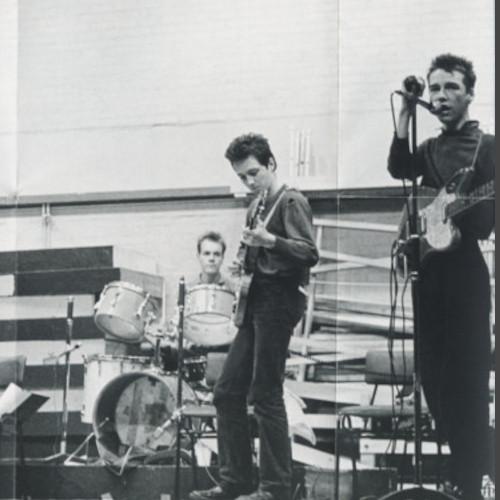
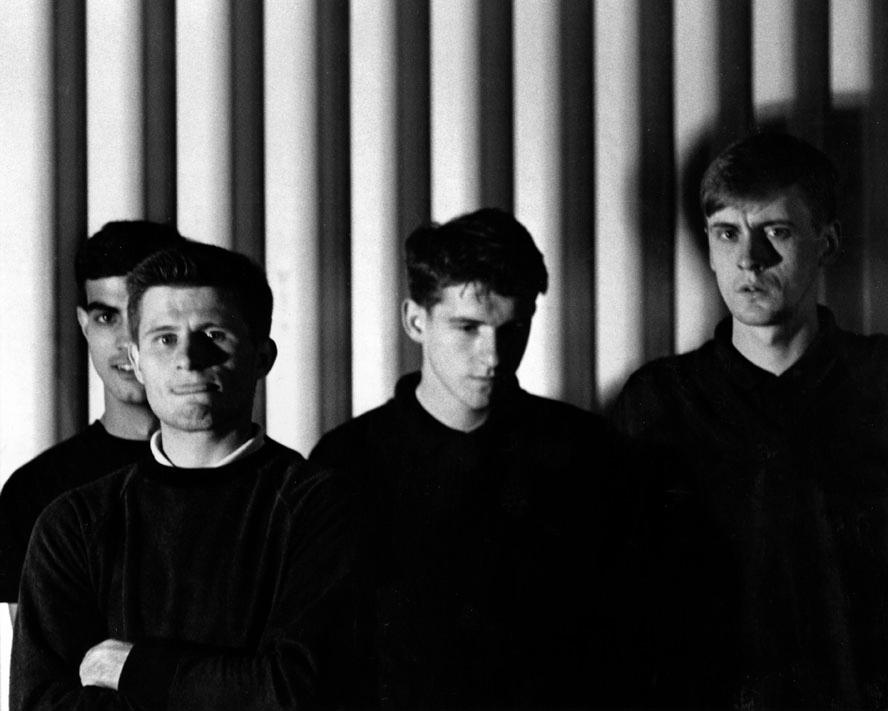
Blue Orchids’ Spotify BioWhen Una Baines (keyboards, vocals) and Martin Bramah (guitar, vocals) quit the Fall in the late '70s, some of that group's irreverent, punk-injected spirit continued to flow through their veins when they formed the Blue Orchids in Manchester, England in 1979. With the addition of Rick Goldstar (guitar), Steve Toyne (bass), and Joe Kin (drums), Baines and Bramah reaped critical acclaim with their brainchild. The Blue Orchids signed with Rough Trade in 1980 and their first single, "The Flood/Disney Boys," drew comparisons to the Velvet Underground's psychedelic weirdness. Ironically, the Blue Orchids became the supporting band for former Velvets chanteuse Nico during her tour of Europe a year later. The group's debut LP, The Greatest Hit (Money Mountain), was released in 1981 to excellent reviews. The Blue Orchids' uncompromising sound -- half-sung or spoken lyrics, drugged-out keyboards, jagged guitars -- made them favorites on the U.K. independent charts.
In 1982, after recording the… EP Agents of Change, the band split up. Baines and Bramah revived the Blue Orchids in 1984 with new members. The resurrected Blue Orchids began performing in clubs again and released a 12" single in 1985. The group landed gigs in Austria and Germany before disbanding once more. Baines then joined the Fates while Bramah collaborated with ex-Fall drummer Karl Burns in Thirst. Bramah collected another set of musicians to record as the Blue Orchids in 1991, releasing the 12" single "Diamond Age." Although somewhat overshadowed by other Manchester acts such as Joy Division, New Order, and the Smiths, the Blue Orchids' influence lived on in the Hammond organ-powered grooves of Inspiral Carpets; moreover, Aztec Camera covered "Bad Education" from The Greatest Hit (Money Mountain).
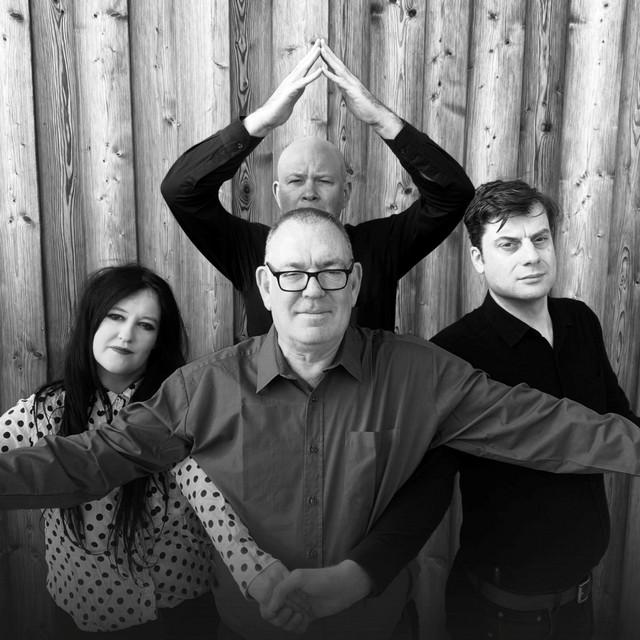
In 2002, Cherry Red Records compiled A Darker Bloom: The Blue Orchids Collection, a retrospective of their work from 1980 to the early '90s. In 2003, the LTM Records label brought out two collections of rare and unreleased Blue Orchids tracks, From Severe to Serene and The Sleeper. The renewed interest in the group prompted Martin Bramah to assemble a new version of the Blue Orchids, and in 2004 LTM released Mystic Bud, an album of new material from this incarnation of the band. Bramah soon moved on to other projects, but he once again revived the Blue Orchids in 2012 for a run of live gigs. This edition of the group began working up new material, and in 2016 they released an LP of original songs, The Once and Future Thing. The same year saw the release of Awefull, a collection of the Blue Orchids' Rough Trade singles along with some rare cuts, and The Battle of Twisted Heel, a compilation credited to Martin Bramah that included the tracks from the obscure 2005 Blue Orchids EP Slum-Cavern-Jest! More rarities from the group's archives surfaced on the 2017 EP Skull Jam, including a cover of Atomic Rooster's "The Devil's Answer." ~ Michael Sutton
Viberate is a music analytics platform built for A&Rs, artist managers, labels, booking agents, marketers, and artists.
It helps music professionals track artist growth, analyze audience data, monitor playlist activity, compare artists, follow song performance, and identify opportunities across the music market.
Public artist pages provide a free preview of selected artist data. Paid plans provide access to deeper analytics, historical data, charts, comparisons, playlist tools, exports, alerts, reports, and additional professional features.
Yes. Public Viberate artist pages provide selected artist analytics and music data for free.
Viberate also offers a 7-day free trial of the full platform. A credit card is required to start the trial. The trial includes access to the complete product so users can test deeper artist analytics, historical views, playlist insights, comparisons, charts, exports, alerts, and reporting features before choosing a paid plan.
Viberate provides artist analytics across streaming, playlists, social media, video, radio airplay, songs, and audience markets.
Users can analyze Spotify performance, Spotify and Apple Music playlists, YouTube activity, TikTok and Instagram growth, radio spins, song performance, audience locations, demographics, rankings, and overall artist momentum.
Artist profiles also connect to music charts, similar artists, and comparison tools, helping users benchmark performance and evaluate artists in context.
Viberate updates key artist and track data daily.
For followed artists and tracks, selected data is refreshed multiple times per day. This helps teams monitor playlist changes, streaming movement, audience growth, releases, and campaign performance with more current data.
Update frequency can vary depending on the metric and data source.
Yes. Viberate lets users compare up to five artists side by side across streaming, social media, audience, and engagement metrics.
Users can compare fanbase growth, audience demographics, locations, Spotify performance, social metrics, and other artist data over selected time periods.
Artist comparison can be used for A&R scouting, benchmarking, booking decisions, campaign planning, and evaluating artists with similar audiences or market positions.