Night Trains

R&B
Funk
Acid Jazz
 Viberate Rank: 168323
 Viberate Rank: 168323
 Monthly ListenersFollowers
 Subscribers
 Followers
 Followers
 FansTop Spotify Songs
| Track | 7-Day Streams | |
|---|---|---|
1 | 6.61K | |
2 | 171 | |
3 | 88 | |
4 | 61 | |
5 | 60 |
Top YouTube VideosMonthly ListenersFeatured in Playlists| Playlist | Followers | |
|---|---|---|
1 |  Acid Jazz Spotify | 396.00K |
2 |  I Love My 90s Funk Spotify | 124.52K |
3 |  Acid Jazz Funk Kris Leenaers | 17.33K |
4 |  Living In My Headphones James Lavelle (UNKLE) | 16.04K |
5 | 90's Acid Jazz mijo_dugacak | 12.44K |
Audience| City | Monthly Listeners | |
|---|---|---|
1 | | 311 |
2 |  | 222 |
3 | | 191 |
4 |  | 185 |
5 |  | 181 |
See full performance history, audience data, playlist activity, rankings, comparisons, and more in Viberate music analytics. Start with a free trial, then continue with a paid plan.
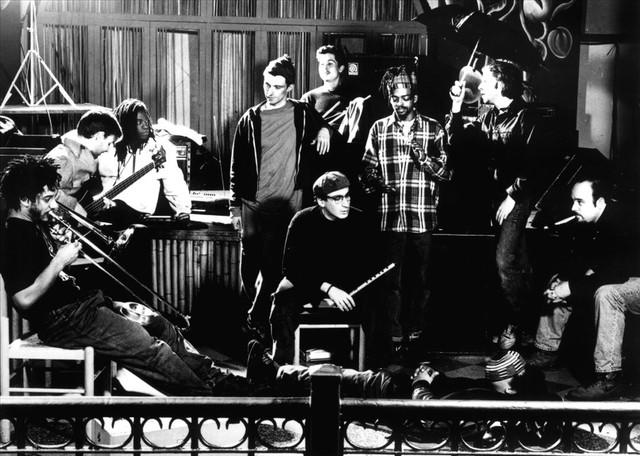
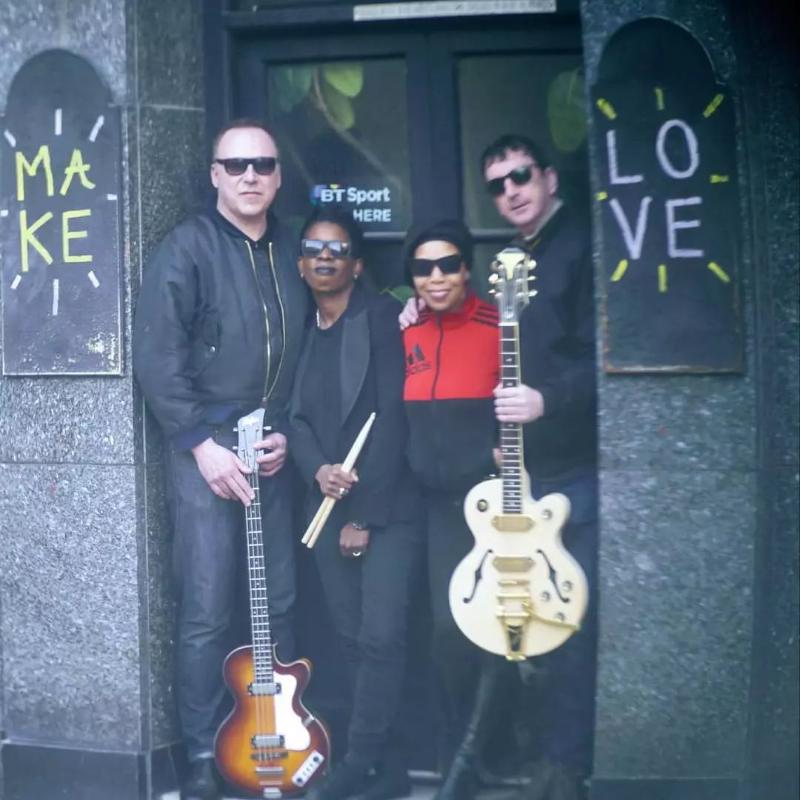
Night Trains’ Spotify BioNight Trains were formed in 1987 by bassist, producer and DJ Hugh Brooker and along with Galliano became part of the first wave of acts to sign to Acid Jazz Records. Originally a sax and Hammond organ-led 5 piece, Blue Note inspired instrumental combo, the band first cut their teeth at Soho's legendary Wag Club's Monday night Acid Jazz sessions, along with DJs and label founders Eddie Piller and Giles Peterson.
Their first vinyl outing was the limited edition, and now rare as hens teeth, underground club hit 'Open Channel D.” This was followed by a very early example of Mash Up Breakbeat Jazz crossover on the track “And now we have rhythm” on “Acid Jazz and Other Illicit Grooves”; the seminal major label release on Polydor's Urban Records, alongside artists such as James Taylor Quartet, Galliano and Jalal from US hip hop pioneers The Last Poets.
Hugh Brooker currently DJs globally and has been co-writing with and remixing and producing for artists as diverse as Sophie Ellis-Bextor and… Earth Wind and Fire. Summer 2012 saw the return of Night Trains to Acid Jazz Records with the 7 inch vinyl release of "No More Heroes" a stomping northern soul reinterpretation of "The Stranglers" 70's New Wave classic.
New single Don't Fake It (Keep It Real!) is out on September 2, 2022
Viberate is a music analytics platform built for A&Rs, artist managers, labels, booking agents, marketers, and artists.
It helps music professionals track artist growth, analyze audience data, monitor playlist activity, compare artists, follow song performance, and identify opportunities across the music market.
Public artist pages provide a free preview of selected artist data. Paid plans provide access to deeper analytics, historical data, charts, comparisons, playlist tools, exports, alerts, reports, and additional professional features.
Yes. Public Viberate artist pages provide selected artist analytics and music data for free.
Viberate also offers a 7-day free trial of the full platform. A credit card is required to start the trial. The trial includes access to the complete product so users can test deeper artist analytics, historical views, playlist insights, comparisons, charts, exports, alerts, and reporting features before choosing a paid plan.
Viberate provides artist analytics across streaming, playlists, social media, video, radio airplay, songs, and audience markets.
Users can analyze Spotify performance, Spotify and Apple Music playlists, YouTube activity, TikTok and Instagram growth, radio spins, song performance, audience locations, demographics, rankings, and overall artist momentum.
Artist profiles also connect to music charts, similar artists, and comparison tools, helping users benchmark performance and evaluate artists in context.
Viberate updates key artist and track data daily.
For followed artists and tracks, selected data is refreshed multiple times per day. This helps teams monitor playlist changes, streaming movement, audience growth, releases, and campaign performance with more current data.
Update frequency can vary depending on the metric and data source.
Yes. Viberate lets users compare up to five artists side by side across streaming, social media, audience, and engagement metrics.
Users can compare fanbase growth, audience demographics, locations, Spotify performance, social metrics, and other artist data over selected time periods.
Artist comparison can be used for A&R scouting, benchmarking, booking decisions, campaign planning, and evaluating artists with similar audiences or market positions.