James Taylor Quartet

R&B
Funk
Acid Jazz
 Viberate Rank: 109998
 Viberate Rank: 109998
 Monthly ListenersFollowers
 Subscribers
 Followers
 Followers
 FansTop Spotify Songs
| Track | 7-Day Streams | |
|---|---|---|
1 | 10.05K | |
2 | 5.63K | |
3 | 4.76K | |
4 | 3.76K | |
5 | 2.30K |
Top YouTube VideosMonthly ListenersFeatured in Playlists| Playlist | Followers | |
|---|---|---|
1 |  Acid Jazz Spotify | 396.00K |
2 |  I Love My 90s Funk Spotify | 124.52K |
3 | 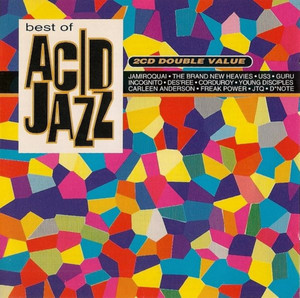 BEST OF ACID JAZZ Lorenna Jsa | 62.82K |
4 |  60s 70s 80s 90s 00s Greatest Hits and Songs Diestro Music | 51.95K |
5 |  Jazz Funk & Groove Guillermo Lanzani Lagomarsino | 36.07K |
Audience| City | Monthly Listeners | |
|---|---|---|
1 | | 2.03K |
2 |  | 776 |
3 |  | 641 |
4 |  | 589 |
5 | | 585 |
See full performance history, audience data, playlist activity, rankings, comparisons, and more in Viberate music analytics. Start with a free trial, then continue with a paid plan.
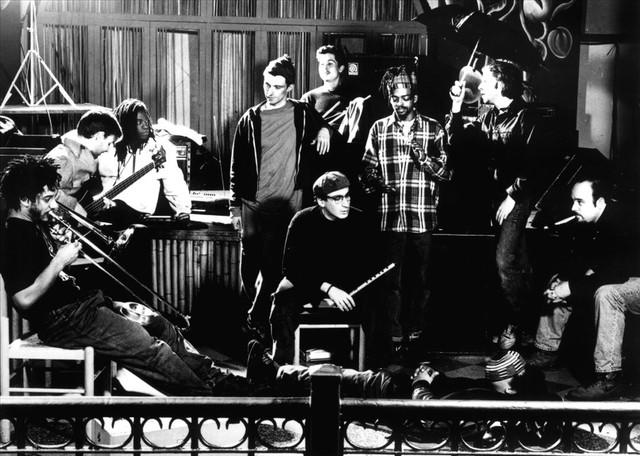
James Taylor Quartet’s Spotify BioWhen the Medway Valley’s psychedelic-mod hopefuls the Prisoners disbanded in 1986, organist James Taylor vowed to move into the realms of jazz, and away from rock. Assembling a quartet from Kent, England, comprising fellow Prisoner bass player Alan Crockford and ex-Daggermen personnel Simon Howard (drums) and Taylor's brother David (guitar), the band recorded a BBC session for disc jockey John Peel before Taylor retired to Sweden for a break. However, the broadcast made such an impression that the band was signed to new "mod" label Re-Elect the President. A mini-album of cover versions, Mission Impossible, featured "organ groovy" '60s soundtrack instrumentals like the single "Blow Up," with Jimmy Smith and Booker T. & the MG's providing the strongest influences. The Money Spyder took the theme a stage further; while the Damned had mocked the psychedelic soundtrack as Naz Nomad & the Nightmares, the JTQ reminisced on the beat and jazz age. Taylor become frustrated with the band's… limitations, and by the time Wait a Minute appeared on Polydor Records dance offshoot, Urban, in September 1988, only his brother remained with him in the group.
For a powerful remake of "The Theme from Starsky and Hutch," new jazz musicians and ex-James Brown horn players were recruited, as the JTQ found themselves central to a new, London-based acid jazz movement. Howard and Crockford, meanwhile, provided the rhythm section for ex-Prisoners guitarist Graham Day's new project, the Prime Movers. A further development for the JTQ came with the recruitment of two rappers for May 1989's "Breakout." This single hinted at a move away from jazz toward the dance charts, but Do Your Own Thing combined both elements, alongside a continuing debt to the original fusion of jazz/dance and rare groove, not least on their rousing rendition of the '70s club favorite, "Got to Get Your Own." A long overdue live album, Absolute, was released in 1991 on the Polydor subsidiary, Big Life. While ex-Style Council and Jazz Renegades drummer Steve White served in the JTQ for a time, Taylor himself has also made several guest performances, including appearances for the Wonder Stuff, the Pogues, and U2. More permanent members of the JTQ include Gary Crockett (bass), Neil Robinson (drums), Dominic Glover (trumpet), and John Wilmott (saxophone, flute). "Love the Life" and "See a Brighter Day," featuring new lead singer Noel McKoy, saw them bid for chart success in 1993, but once the spurious acid house bubble had burst, Taylor was able to concentrate on making music without the pressure of following a trend. The band's subsequent work, which has been released on a variety of labels including Acid Jazz Records, JSP, and Gut, has seen a return to the Hammond groove-jazz style of Jimmy McGriff and Jimmy Smith. In 1997, Taylor's composition "Austin's Theme" was featured in the hit movie Austin Powers: International Man of Mystery.
Viberate is a music analytics platform built for A&Rs, artist managers, labels, booking agents, marketers, and artists.
It helps music professionals track artist growth, analyze audience data, monitor playlist activity, compare artists, follow song performance, and identify opportunities across the music market.
Public artist pages provide a free preview of selected artist data. Paid plans provide access to deeper analytics, historical data, charts, comparisons, playlist tools, exports, alerts, reports, and additional professional features.
Yes. Public Viberate artist pages provide selected artist analytics and music data for free.
Viberate also offers a 7-day free trial of the full platform. A credit card is required to start the trial. The trial includes access to the complete product so users can test deeper artist analytics, historical views, playlist insights, comparisons, charts, exports, alerts, and reporting features before choosing a paid plan.
Viberate provides artist analytics across streaming, playlists, social media, video, radio airplay, songs, and audience markets.
Users can analyze Spotify performance, Spotify and Apple Music playlists, YouTube activity, TikTok and Instagram growth, radio spins, song performance, audience locations, demographics, rankings, and overall artist momentum.
Artist profiles also connect to music charts, similar artists, and comparison tools, helping users benchmark performance and evaluate artists in context.
Viberate updates key artist and track data daily.
For followed artists and tracks, selected data is refreshed multiple times per day. This helps teams monitor playlist changes, streaming movement, audience growth, releases, and campaign performance with more current data.
Update frequency can vary depending on the metric and data source.
Yes. Viberate lets users compare up to five artists side by side across streaming, social media, audience, and engagement metrics.
Users can compare fanbase growth, audience demographics, locations, Spotify performance, social metrics, and other artist data over selected time periods.
Artist comparison can be used for A&R scouting, benchmarking, booking decisions, campaign planning, and evaluating artists with similar audiences or market positions.