Outside

Punk
Punk Rock
Acid Jazz
 Viberate Rank: 194743
 Viberate Rank: 194743
 Monthly ListenersFollowers
 Subscribers
 Followers
 Followers
 FansTop Spotify Songs
| Track | 7-Day Streams | |
|---|---|---|
1 | 8.08K | |
2 | 3.96K | |
3 | 3.33K | |
4 | 2.97K | |
5 | 648 |
Top YouTube VideosMonthly ListenersFeatured in Playlists| Playlist | Followers | |
|---|---|---|
1 |  I Love My 90s Funk Spotify | 124.52K |
2 |  60s 70s 80s 90s 00s Greatest Hits and Songs Diestro Music | 51.95K |
3 |  Funk Classics Brooklyn Funk Essentials | 47.83K |
4 | Hip Hop Jazz marcstolz | 17.45K |
5 |  Acid Jazz Funk Kris Leenaers | 17.33K |
Audience| City | Monthly Listeners | |
|---|---|---|
1 |  | 870 |
2 |  | 594 |
3 | | 541 |
4 | | 522 |
5 |  | 510 |
See full performance history, audience data, playlist activity, rankings, comparisons, and more in Viberate music analytics. Start with a free trial, then continue with a paid plan.
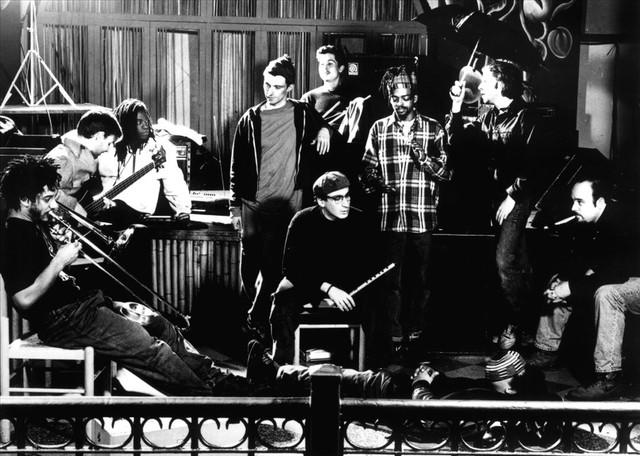
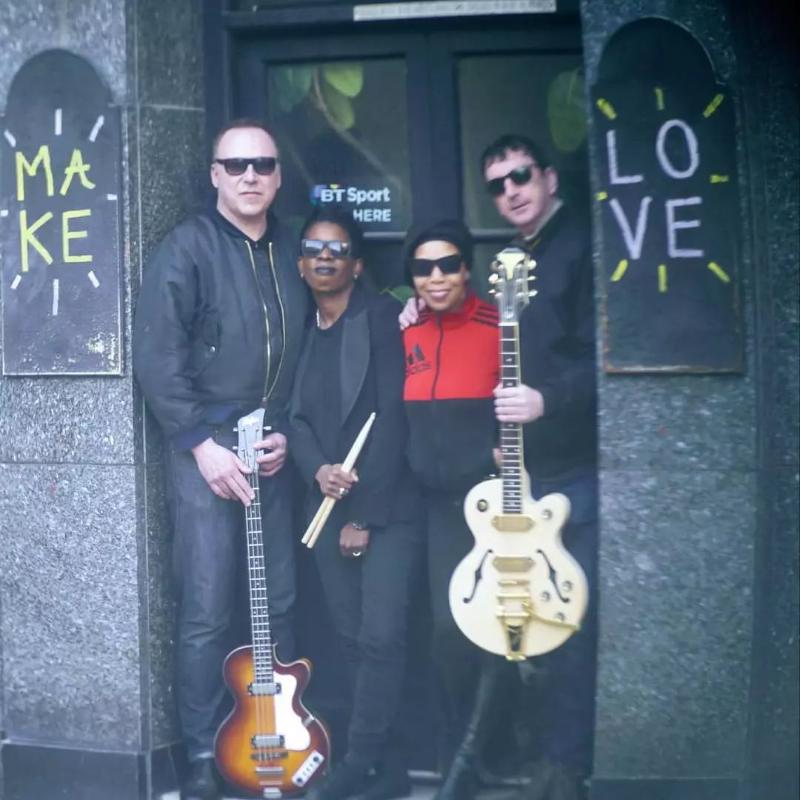
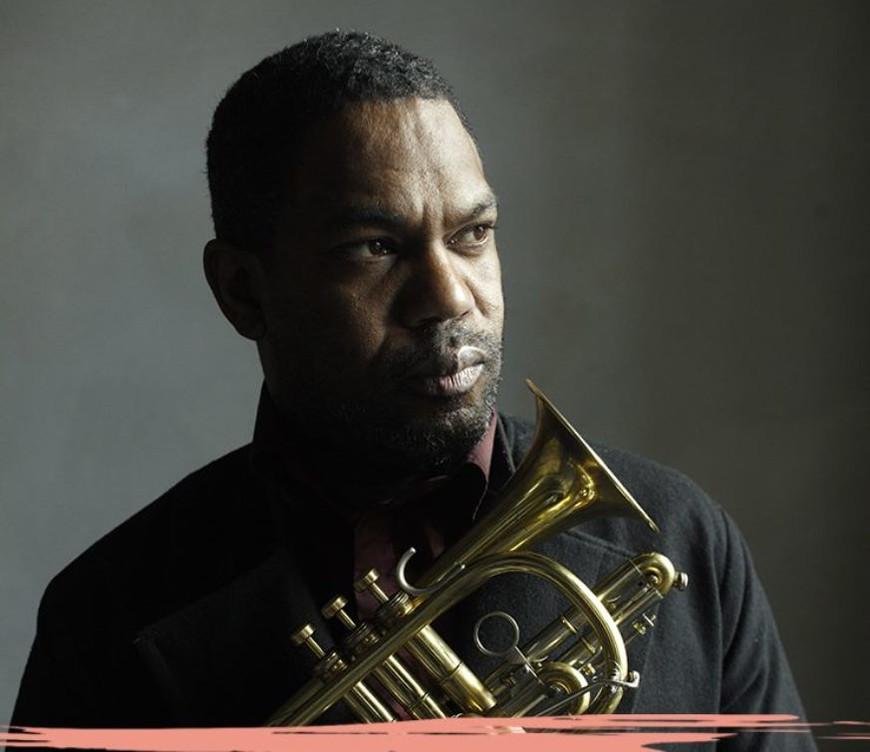
Outside’s Spotify BioMatt Cooper was a key figure in the music revolution that rebooted jazz with digital beats in 1990s London. Recorded under the name Outside, his 1993 debut album ‘Almost In’ marked him out as a precociously gifted instrumentalist, writer and arranger. It was released on experimental label Dorado — a contemporary of Talkin’ Loud, Acid Jazz, Mo’Wax and Ninja Tune that was founded by Ollie Buckwell. At the heart of the new scene was Gilles Peterson and James Lavelle’s club night That's How It Is. Outside were mainstays, and went on to make five ground-breaking albums in eight years. Just 20 when he made ‘Almost In’, Cooper was a prodigy on both keyboards and drums, driven by a hunger to create something new and with help from long time collaborator Andreas Allen. More recently Cooper teamed up with UK soul act Incognito and is now their musical director. He has also worked as a musical director and instrumentalist for artists including: Chaka Khan; Jocelyn Brown; Whitney Houston; David… Sylvian; Cee-Lo Green; Paul Weller; Terry Callier; Leon Ware; Marlene Shaw; Freddie Hubbard, and Ronnie Laws. Most recently, he has been collaborating with Gilles Peterson and Incognito’s Bluey on their STR4TA project and released the new album 'Almost Out'.
Viberate is a music analytics platform built for A&Rs, artist managers, labels, booking agents, marketers, and artists.
It helps music professionals track artist growth, analyze audience data, monitor playlist activity, compare artists, follow song performance, and identify opportunities across the music market.
Public artist pages provide a free preview of selected artist data. Paid plans provide access to deeper analytics, historical data, charts, comparisons, playlist tools, exports, alerts, reports, and additional professional features.
Yes. Public Viberate artist pages provide selected artist analytics and music data for free.
Viberate also offers a 7-day free trial of the full platform. A credit card is required to start the trial. The trial includes access to the complete product so users can test deeper artist analytics, historical views, playlist insights, comparisons, charts, exports, alerts, and reporting features before choosing a paid plan.
Viberate provides artist analytics across streaming, playlists, social media, video, radio airplay, songs, and audience markets.
Users can analyze Spotify performance, Spotify and Apple Music playlists, YouTube activity, TikTok and Instagram growth, radio spins, song performance, audience locations, demographics, rankings, and overall artist momentum.
Artist profiles also connect to music charts, similar artists, and comparison tools, helping users benchmark performance and evaluate artists in context.
Viberate updates key artist and track data daily.
For followed artists and tracks, selected data is refreshed multiple times per day. This helps teams monitor playlist changes, streaming movement, audience growth, releases, and campaign performance with more current data.
Update frequency can vary depending on the metric and data source.
Yes. Viberate lets users compare up to five artists side by side across streaming, social media, audience, and engagement metrics.
Users can compare fanbase growth, audience demographics, locations, Spotify performance, social metrics, and other artist data over selected time periods.
Artist comparison can be used for A&R scouting, benchmarking, booking decisions, campaign planning, and evaluating artists with similar audiences or market positions.