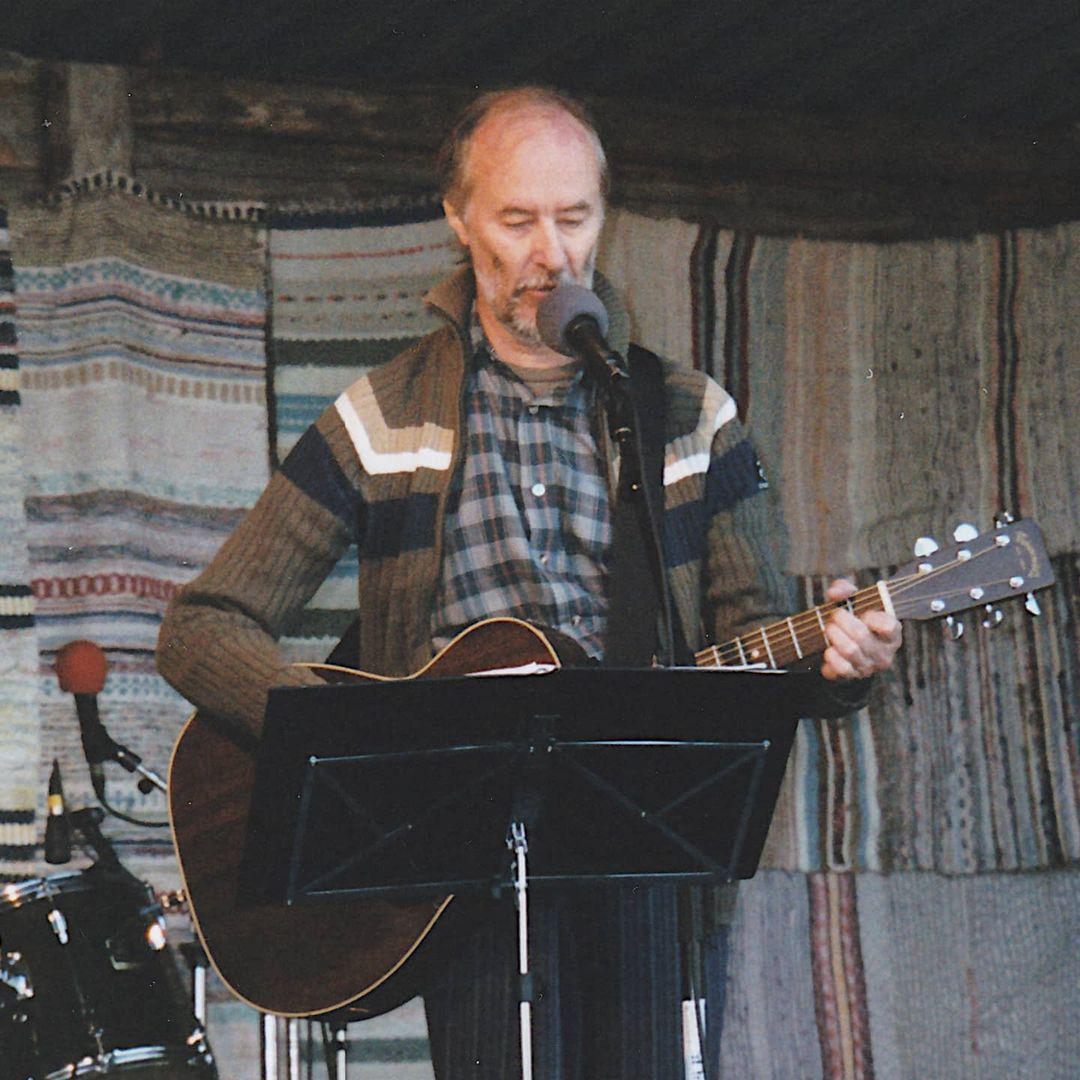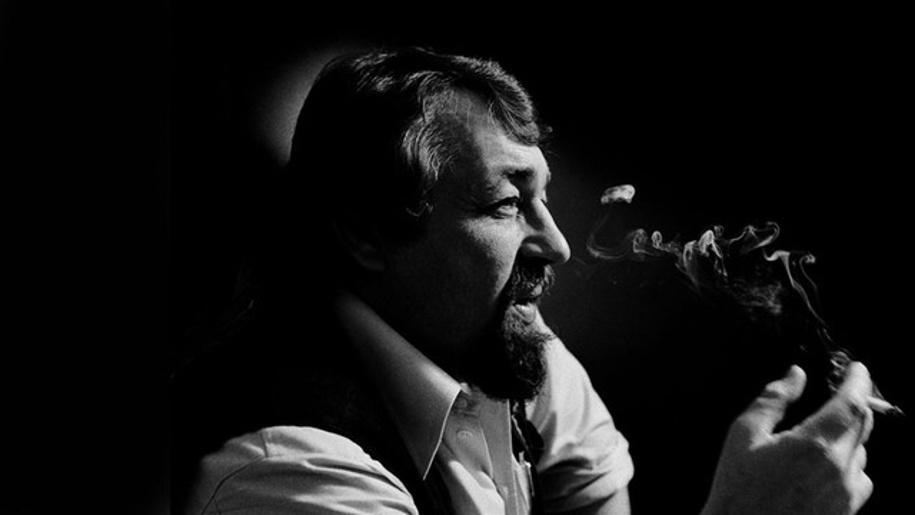
Cornelis Vreeswijk

Rock
Rockabilly
 Viberate Rank: 70943
 Viberate Rank: 70943
 Monthly ListenersFollowers
 Subscribers
 Followers
 Followers
 FansTop Spotify Songs
| Track | 7-Day Streams | |
|---|---|---|
1 | 55.62K | |
2 | 38.11K | |
3 | 24.74K | |
4 | 22.19K | |
5 | 15.30K |
Top YouTube VideosMonthly ListenersFeatured in Playlists| Playlist | Followers | |
|---|---|---|
1 |  Svenska Favoriter Spotify | 295.92K |
2 |  Svenska låtar alla kan! 🇸🇪 Filtr Sweden | 111.64K |
3 |  Godnattvisor Spotify | 109.46K |
4 |  Visa och vemod Spotify | 96.60K |
5 |  Sommarklassiker 🇸🇪 Filtr Legacy Sweden | 68.62K |
Audience| City | Monthly Listeners | |
|---|---|---|
1 | | 67.79K |
2 | | 38.86K |
3 | | 18.53K |
4 |  | 13.39K |
5 | | 8.82K |
See full performance history, audience data, playlist activity, rankings, comparisons, and more in Viberate music analytics. Start with a free trial, then continue with a paid plan.
Cornelis Vreeswijk’s Spotify BioCornelis Vreeswijk was of great importance to the Swedish ballad, by giving it a much wider audience as well as by incorporating elements of blues, jazz, pop, and Latin rhythms. Vreeswijk reached fame during the mid-'60s with often very political lyrics, and when his songs weren't political, they were explicit in a way that caused them to be blacklisted on the radio. However, by modernizing ballad singing, Vreeswijk has probably meant more for the Swedish singer/songwriter scene than anyone else since Evert Taube; and he played a big role in ensuring the survival of a domestic singer/songwriter tradition alongside the international rock-influenced tradition. Important '90s artists like Stefan Sundström are hard to imagine without the influence from Vreeswijk.
Cornelis Vreeswijk grew up in Holland during the Second World War, but when it was over, his father brought the whole family to Stockholm, Sweden. Being 12 years old at the time of emigration, Vreeswijk initially had problems… learning the language, but he proved to have an excellent memory and started to spend long hours at the library, catching up on the literature of his new country. After finishing school in 1955, he went to sea and spent the following years between harbors in Europe and the Middle East, practicing the blues when not working. After returning to Stockholm, he recorded his first single in 1959, but the record wasn't released commercially. Vreeswijk had various jobs and eventually started to study sociology, all the while performing his own songs at various parties and pubs. On one occasion, ballad singer Fred Åkerström was in the audience, and he later introduced Vreeswijk to the label Metronome. At first, Åkerström intended to record a number of Vreeswijk's songs, but after hearing the originals, it was decided that they were to be sung by Vreeswijk himself.
The full-length debut came in 1964 with Ballader Och Oförskämdheter. It was an immediate success and kick started Vreeswijk's career, casting him into a very hectic period where he still studied and worked during half his time, besides touring and recording. In the autumn of 1964, Vreeswijk took a break from his studies to tour with Åkerström and Ann-Louise Hansson. The nationwide tour was a critical, if not a commercial success, and one show was recorded and released on LP in 1965. It was followed by a second studio album, Ballader Och Grimascher, recorded with jazz pianist Jan Johansson. The lyrics of this album were seen as controversial, being both political and explicit, and the state radio refused to play some of the songs. That was not the last time this happened to Vreeswijk, but the long-term effect of his outspoken lyrics was to remove traditional Swedish ballad singing from its upper-class environment and put it among ordinary people. Other singer/songwriters, like Ulf Lundell, would become even more popular than Vreeswijk during the '70s, but they were mainly rock poets, while Cornelis originated in an older ballad tradition, in which no one overshadowed him at the time.
Vreeswijk released a few more successful and controversial albums during the '60s, among them Cornelis Sjunger Taube in 1969, containing interpretations of famous Evert Taube songs. Backing Vreeswijk on this album, and the following tour, was the pop group Made in Sweden, and this was the start of a long-term relationship with guitarist Jojje Wadenius. In addition to his solo career, Vreeswijk also wrote hit songs for major artists like Monica Zetterlund, and acted in various revues and movies during the late '60s and early '70s. But if these years meant his major breakthrough, they were personally very turbulent, with severe alcohol problems and the breakdown of his first marriage.
After taking on Taube, it was time for the other, even bigger ballad icon: Carl Michaël Bellman. In 1970, Vreeswijk released Spring Mot Ulla, Spring!! These irreverent interpretations of Bellman became very popular, but the rest of the decade would be more troublesome. Due to unpaid taxes, Vreeswijk spent much of the following years abroad, in Holland and France. He also tried to start a career there, but after some initial success it came to a standstill. The latter half of the decade was mostly spent in Copenhagen, but even though these years weren't Vreeswijk's most successful, he still kept releasing more than an album a year. In 1985, he learned that he was suffering from diabetes, but, at the same time, he was seeing revived interest in his music. One of the starting points for this revival was a very successful appearance as special guest on Ulf Lundell's New Year's concert in 1985, which was televised all over Sweden. The album I Elfte Timmen, from 1986, containing mostly re-recorded old hits, also sold very well and brought a new audience to Vreeswijk. He then went on two tours simultaneously, one with a traditional acoustic group and one with a rock group, to nurture his newly won popularity as a rock artist. He kept up this high tempo the following year as well, but of course it took its toll on his already weak health. In the summer of 1987, Vreeswijk played a hugely successful set at the Roskilde festival, where the staff finally had to interrupt the concert because of the masses of people trying to get into the tent.
The concert held at Flustret in Uppsala, September 7, 1987, came to be Vreeswijk's last public appearance. In addition to diabetes, he now also suffered from cancer, but nonetheless managed to record one more album that autumn, Till Fatumeh, and finish a last book of poems bearing the same title. Vreeswijk went to Holland to say farewell to his relatives and, on returning to Stockholm, he became severely ill and died a few days later. ~ Lars Lovén, Rovi
Viberate is a music analytics platform built for A&Rs, artist managers, labels, booking agents, marketers, and artists.
It helps music professionals track artist growth, analyze audience data, monitor playlist activity, compare artists, follow song performance, and identify opportunities across the music market.
Public artist pages provide a free preview of selected artist data. Paid plans provide access to deeper analytics, historical data, charts, comparisons, playlist tools, exports, alerts, reports, and additional professional features.
Yes. Public Viberate artist pages provide selected artist analytics and music data for free.
Viberate also offers a 7-day free trial of the full platform. A credit card is required to start the trial. The trial includes access to the complete product so users can test deeper artist analytics, historical views, playlist insights, comparisons, charts, exports, alerts, and reporting features before choosing a paid plan.
Viberate provides artist analytics across streaming, playlists, social media, video, radio airplay, songs, and audience markets.
Users can analyze Spotify performance, Spotify and Apple Music playlists, YouTube activity, TikTok and Instagram growth, radio spins, song performance, audience locations, demographics, rankings, and overall artist momentum.
Artist profiles also connect to music charts, similar artists, and comparison tools, helping users benchmark performance and evaluate artists in context.
Viberate updates key artist and track data daily.
For followed artists and tracks, selected data is refreshed multiple times per day. This helps teams monitor playlist changes, streaming movement, audience growth, releases, and campaign performance with more current data.
Update frequency can vary depending on the metric and data source.
Yes. Viberate lets users compare up to five artists side by side across streaming, social media, audience, and engagement metrics.
Users can compare fanbase growth, audience demographics, locations, Spotify performance, social metrics, and other artist data over selected time periods.
Artist comparison can be used for A&R scouting, benchmarking, booking decisions, campaign planning, and evaluating artists with similar audiences or market positions.