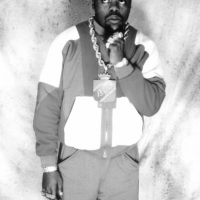
Nappy Roots

Hip Hop
Contemporary Hip Hop
 Viberate Rank: 20936
 Viberate Rank: 20936
 Monthly ListenersFollowers
 Subscribers
 Followers
 Followers
 FansTop Spotify Songs
| Track | 7-Day Streams | |
|---|---|---|
1 | 490.93K | |
2 | 76.77K | |
3 | 61.83K | |
4 | 33.74K | |
5 | 30.16K |
Top YouTube Videos| Video | 7-Day Views | |
|---|---|---|
1 | 31.75K | |
2 | 14.02K | |
3 | 12.69K | |
4 | 6.34K | |
5 | 3.09K |
Monthly ListenersFeatured in Playlists| Playlist | Followers | |
|---|---|---|
1 |  Down South Classics Spotify | 593.31K |
2 |  GOSSIP GIRL SOUNDTRACK 💄 Oli.R | 558.55K |
3 | 90s Hip Hop Party Ridgway | 311.83K |
4 |  Hip Hop Fitness uDiscover Playlists | 187.66K |
5 | RnB 2000s Christian Perry | 178.65K |
Audience| City | Monthly Listeners | |
|---|---|---|
1 | | 21.59K |
2 |  | 19.64K |
3 | | 19.24K |
4 | | 17.91K |
5 | | 15.62K |
See full performance history, audience data, playlist activity, rankings, comparisons, and more in Viberate music analytics. Start with a free trial, then continue with a paid plan.
Nappy Roots’ Spotify BioCountry and proud of it, Nappy Roots formed in 1995 around a sextet of students attending Western Kentucky University in Bowling Green. Four members of the group were Kentucky natives (Skinny DeVille, B. Stille, Ron Clutch, and Big V), bolstered by an Oakland transplant (R. Prophet) and a Milledgeville, Georgia native (Fish Scales). Nappy Roots began making music together at a local record shop-cum-studio named ET's Music, and released their full-length debut, Country Fried Cess, in 1998. Drawn to the group's distinctive twist on Southern bounce, the major labels began flocking, and they eventually signed to Atlantic. Their label debut, Watermelon, Chicken and Gritz, was released in 2002, and the follow-up, Wooden Leather, arrived one year later. After several delays, the group released its anticipated album The Humdinger in August 2008; it was the first not to feature R. Prophet, who had left the group to pursue a solo career. Their second album as a quintet, The Pursuit of Nappyness,… was issued two years later. Their fifth effort, 2011's Nappy Dot Org, was a collaboration with famed Atlanta production team Organized Noize. While they released a mixtape in 2012 titled Nappy Roots Presents Sh!ts Beautiful, the group would not return until 2015 with the release of album six, The 40 Akerz Project. A sequel, Another 40 Akerz, arrived in 2017 and featured guests like Ashley Rose, Gareth Asher, ForteBowie, Jarren Benton, and more. ~ John Bush, Rovi
Viberate is a music analytics platform built for A&Rs, artist managers, labels, booking agents, marketers, and artists.
It helps music professionals track artist growth, analyze audience data, monitor playlist activity, compare artists, follow song performance, and identify opportunities across the music market.
Public artist pages provide a free preview of selected artist data. Paid plans provide access to deeper analytics, historical data, charts, comparisons, playlist tools, exports, alerts, reports, and additional professional features.
Yes. Public Viberate artist pages provide selected artist analytics and music data for free.
Viberate also offers a 7-day free trial of the full platform. A credit card is required to start the trial. The trial includes access to the complete product so users can test deeper artist analytics, historical views, playlist insights, comparisons, charts, exports, alerts, and reporting features before choosing a paid plan.
Viberate provides artist analytics across streaming, playlists, social media, video, radio airplay, songs, and audience markets.
Users can analyze Spotify performance, Spotify and Apple Music playlists, YouTube activity, TikTok and Instagram growth, radio spins, song performance, audience locations, demographics, rankings, and overall artist momentum.
Artist profiles also connect to music charts, similar artists, and comparison tools, helping users benchmark performance and evaluate artists in context.
Viberate updates key artist and track data daily.
For followed artists and tracks, selected data is refreshed multiple times per day. This helps teams monitor playlist changes, streaming movement, audience growth, releases, and campaign performance with more current data.
Update frequency can vary depending on the metric and data source.
Yes. Viberate lets users compare up to five artists side by side across streaming, social media, audience, and engagement metrics.
Users can compare fanbase growth, audience demographics, locations, Spotify performance, social metrics, and other artist data over selected time periods.
Artist comparison can be used for A&R scouting, benchmarking, booking decisions, campaign planning, and evaluating artists with similar audiences or market positions.