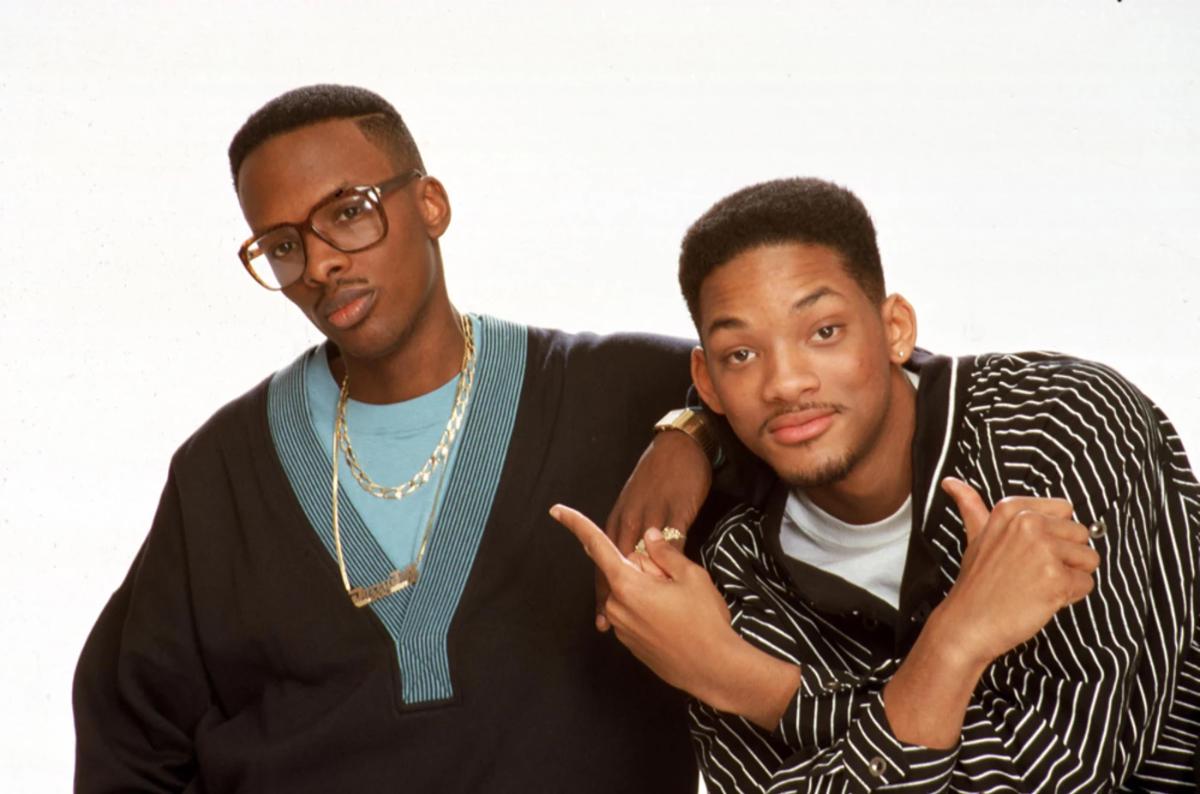
DJ Kool

Hip Hop
Contemporary Hip Hop
Funk
 Viberate Rank: 36446
 Viberate Rank: 36446
 Monthly ListenersFollowers
 Subscribers
 Followers
 Followers
 FansTop Spotify Songs
| Track | 7-Day Streams | |
|---|---|---|
1 | 224.25K | |
2 | 71.65K | |
3 | 38.79K | |
4 | 38.79K | |
5 | 26.16K |
Top YouTube Videos| Video | 7-Day Views | |
|---|---|---|
1 | 4.29K | |
2 | 2.48K | |
3 | 1.56K | |
4 | 1.25K | |
5 | 567 |
Monthly ListenersFeatured in Playlists| Playlist | Followers | |
|---|---|---|
1 |  90’s Bangers chris_topher_ | 368.60K |
2 | 90’s & 2000’s Hip Hop Bangers Johnny Thunder | 272.59K |
3 | ⭐️ 90s Club Anthems ⭐️ ES | 140.35K |
4 | Old School Party Michelle Kadir | 132.14K |
5 |  PİYASALIK •2026 🫵🏻🐅 H.B | 126.77K |
Audience| City | Monthly Listeners | |
|---|---|---|
1 | | 9.14K |
2 | | 8.76K |
3 | | 8.53K |
4 |  | 8.27K |
5 | | 7.89K |
See full performance history, audience data, playlist activity, rankings, comparisons, and more in Viberate music analytics. Start with a free trial, then continue with a paid plan.
DJ Kool’s Spotify BioA fusion of feel-good go-go music with hip-hop's original block-party aesthetic led DJ Kool to the fore in rap's return to the old school during the late '90s. A veteran of D.C.'s go-go circuit who worked as a warm-up DJ for Rare Essence during the early- to mid-'80s, Kool began recording in 1988 and early on tried to inform the studio art of hip-hop with a live feel in keeping with his experience. His first album, The Music Ain't Loud Enuff, used call and response much like early hip-hop and go-go (and also included the hip-house track "House Your Body" prefaced by a remarkably accurate monologue on the history of house music).
Kool took it to the stage in 1992 with the mini-LP 20 Minute Workout, recorded live in Richmond, VA, and released on Steve Janis' CLR Records. By the time of 1996's Let Me Clear My Throat, mostly recorded live in Philadelphia, the East Coast underground was buzzing about Kool's way with a crowd. American Records won a five-way bidding war and reissued Let Me… Clear My Throat early the following year; providing remixes of the title track were Funkmaster Flex and Mark the 45 King (whose funky underground hit "The 900 Number" was the basis for the title track in the first place), helping it climb into the Top Five on the rap charts. In mid-2000, he and Fatman Scoop released the remixed Rob Base classic "It Takes Two." ~ John Bush
Viberate is a music analytics platform built for A&Rs, artist managers, labels, booking agents, marketers, and artists.
It helps music professionals track artist growth, analyze audience data, monitor playlist activity, compare artists, follow song performance, and identify opportunities across the music market.
Public artist pages provide a free preview of selected artist data. Paid plans provide access to deeper analytics, historical data, charts, comparisons, playlist tools, exports, alerts, reports, and additional professional features.
Yes. Public Viberate artist pages provide selected artist analytics and music data for free.
Viberate also offers a 7-day free trial of the full platform. A credit card is required to start the trial. The trial includes access to the complete product so users can test deeper artist analytics, historical views, playlist insights, comparisons, charts, exports, alerts, and reporting features before choosing a paid plan.
Viberate provides artist analytics across streaming, playlists, social media, video, radio airplay, songs, and audience markets.
Users can analyze Spotify performance, Spotify and Apple Music playlists, YouTube activity, TikTok and Instagram growth, radio spins, song performance, audience locations, demographics, rankings, and overall artist momentum.
Artist profiles also connect to music charts, similar artists, and comparison tools, helping users benchmark performance and evaluate artists in context.
Viberate updates key artist and track data daily.
For followed artists and tracks, selected data is refreshed multiple times per day. This helps teams monitor playlist changes, streaming movement, audience growth, releases, and campaign performance with more current data.
Update frequency can vary depending on the metric and data source.
Yes. Viberate lets users compare up to five artists side by side across streaming, social media, audience, and engagement metrics.
Users can compare fanbase growth, audience demographics, locations, Spotify performance, social metrics, and other artist data over selected time periods.
Artist comparison can be used for A&R scouting, benchmarking, booking decisions, campaign planning, and evaluating artists with similar audiences or market positions.